Locations:





And platelet responsiveness appears to be attenuated by aspirin
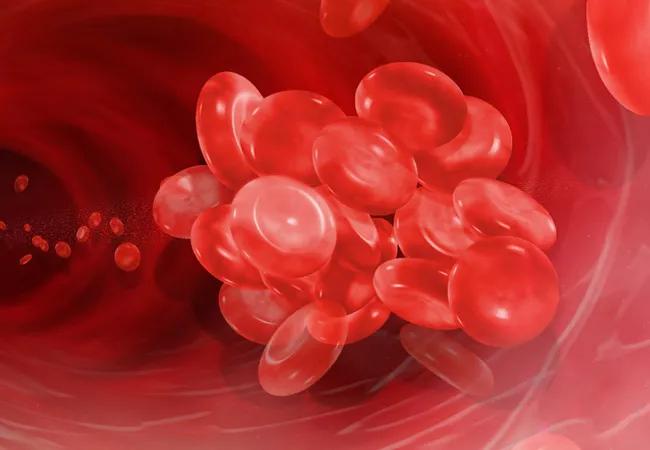
Image content: This image is available to view online.
View image online (https://assets.clevelandclinic.org/transform/f3074317-c07b-4745-a274-d336fe35b87c/17-HRT-382-Hazen-Circulation-CQD_jpg)
thrombosis/blood clotting
For the first time, the dietary nutrient choline has been shown to exert a direct prothrombotic effect in humans via elevated levels of the gut microbial metabolite TMAO. And it appears that the platelet hyperresponsiveness mediated by elevated TMAO can be attenuated by low-dose aspirin.
Advertisement
Cleveland Clinic is a non-profit academic medical center. Advertising on our site helps support our mission. We do not endorse non-Cleveland Clinic products or services. Policy
Those are the latest conclusions — published as a research letter in the April 25, 2017, issue of Circulation — from the team of Cleveland Clinic investigators who have linked TMAO to the development of a host of cardiometabolic diseases in a series of studies in recent years.
“In a paper in Cell last year [recapped here], we reported that plasma TMAO is associated with thrombotic event risk in humans and that TMAO enhances platelet responsiveness and heightens thrombosis potential in animal models,” says Cleveland Clinic’s Stanley Hazen, MD, PhD, who leads the research team. “These new results expand those findings by demonstrating in human subjects that increased dietary choline raises TMAO production by gut bacteria and thereby alters platelet function, increasing platelets’ tendency to form clots.”
The new research letter reports results of two sequential studies at Cleveland Clinic. In the first, healthy vegans or vegetarians (n = 8) and omnivores (n = 10) were prospectively recruited to take oral choline supplements (equivalent of approximately 450 mg total choline/day) for two months, with monthly blood testing. Both groups showed greater than tenfold increases in mean plasma TMAO levels at one and two months compared with baseline (P < .01 for each).
Notably, the increased TMAO levels corresponded with significantly enhanced mean platelet aggregation responses to submaximal adenosine diphosphate following choline supplementation. And a marked dose-dependent association was seen between plasma TMAO values and platelet function. “TMAO appears to supercharge platelet function,” Dr. Hazen observes.
Advertisement
The effects were seen in both vegans/vegetarians and omnivores.
“This provides direct evidence of a mechanistic link between TMAO levels and risk for clotting events such as myocardial infarction and stroke,” Dr. Hazen notes.
The second study involved the omnivores from the initial study (N = 10) after a choline supplement-free washout period of at least one month. They were then started on low-dose aspirin (81 mg/day) for one month, after which they had a baseline evaluation before receiving two months of choline supplementation as in the first study. Low-dose aspirin was continued throughout the entire study period.
Relative to baseline, fasting plasma TMAO and platelet aggregation responses both increased after one and two months of choline supplementation. Notably, however, the degree of TMAO elevation and the degree of platelet hyperresponsiveness during this second study, when subjects were receiving low-dose aspirin, were both significantly attenuated compared with these effects in the absence of aspirin during the first study (P < .009 for both measures).
“These results suggest that the platelet hyperresponsiveness that’s mediated by increased TMAO can be reduced by a low dose of aspirin,” says Dr. Hazen. “But they also raise the prospect that elevated TMAO may overcome the antiplatelet effects of low-dose aspirin.” He adds that the latter point is a question that demands further study, particularly for patients at high cardiovascular risk.
He didn’t anticipate the finding that low-dose aspirin curbed the choline-generated rise in TMAO. “The mechanism for this is unclear, although there are reports that aspirin alters the composition of the gut microbiome,” he says.
Advertisement
While noting that further confirmatory research is needed, Dr. Hazen says these studies “suggest that patients without known cardiovascular disease but with elevated TMAO levels may benefit from aspirin and diet modification to prevent blood clotting.” They also imply that a high TMAO level in a patient with known cardiovascular disease should prompt consideration of more aggressive antiplatelet therapy, he adds.
“Studies are warranted to explore if low-dose aspirin is beneficial among subjects with elevated TMAO and no clear contraindications to aspirin,” Dr. Hazen and co-authors conclude in their paper.
Advertisement
Advertisement
A sampling of outcome and volume data from our Heart & Vascular Institute
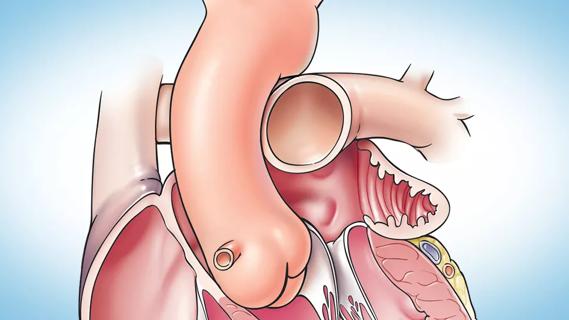
Concomitant AF ablation and LAA occlusion strongly endorsed during elective heart surgery
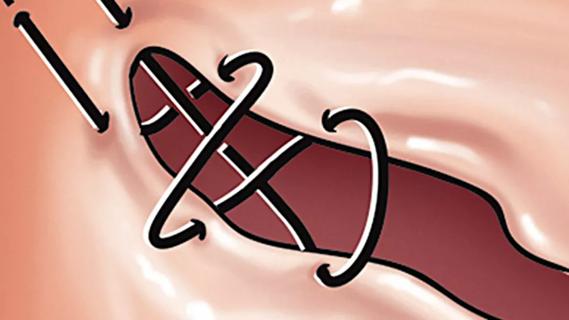
Large retrospective study supports its addition to BAV repair toolbox at expert centers
Young age, solid tumor, high uptake on PET and KRAS mutation signal risk, suggest need for lobectomy
Surprise findings argue for caution about testosterone use in men at risk for fracture
Residual AR related to severe preoperative AR increases risk of progression, need for reoperation

Findings support emphasis on markers of frailty related to, but not dependent on, age
Provides option for patients previously deemed anatomically unsuitable
 Search