Locations:





Dinner programs spotlight EP practice challenges, lead management
Image content: This image is available to view online.
View image online (https://assets.clevelandclinic.org/transform/dac12fa2-4203-4a3b-8328-7c2fa86177d0/18-HRT-5950-HRS-Satellite-Symposia_jpg)
18-HRT-5950-HRS-Satellite-Symposia
If you’re attending the Heart Rhythm Society’s Heart Rhythm 2019 meeting in San Francisco in May, save spots in your schedule to take in two highly practical CME-certified satellite sessions over dinner. Both Cleveland Clinic-sponsored events are free of charge, so register while spots remain at ccfcme.org/hrsep19 and ccfcme.org/hrsleadmgt19.
Advertisement
Cleveland Clinic is a non-profit academic medical center. Advertising on our site helps support our mission. We do not endorse non-Cleveland Clinic products or services. Policy
Tues., May 7, 2019, 6:30-9:15 p.m. (complimentary dinner program)
InterContinental San Francisco
Official educational satellite session at Heart Rhythm 2019
ccfcme.org/hrsep19
Management of challenging clinical scenarios is the focus of this fast-paced 2.25-hour session, which features seven short presentations and case studies from top electrophysiologists at Cleveland Clinic and elsewhere.
Practicality will be at a premium, as revealed by presentation titles such as “The PVs are isolated: Now what?” and “His bundle pacing: When and how?”
Keeping up to date is also a priority, as faculty will review the data behind new techniques and technologies for diagnosing and treating complex arrhythmia cases in presentations such as “The year in EP: Top advances and new frontiers” and “AF post-CABANA: Ablation in the real world and patient-reported outcomes.”
Additional areas of focus include challenging cases of left atrial appendage closure, hemodynamic support in high-risk ventricular tachycardia ablation, and diagnostic and therapeutic approaches to ventriculo-nodal pathways.
Visit ccfcme.org/hrsep19 to register and for the full agenda and faculty listing.
Wed., May 8, 2019, 6:30-9:15 p.m. (complimentary dinner program)
InterContinental San Francisco
Official educational satellite session at Heart Rhythm 2019
ccfcme.org/hrsleadmgt19
New technologies in cardiac implantable electronic devices (CIEDs) present new challenges for device and lead extraction. That’s the premise of this jam-packed 2.25-hour session featuring short talks and case presentations from six expert electrophysiologists from Cleveland Clinic and other leading U.S. centers.
Advertisement
The focus is the fast-evolving landscape of CIED and lead management, and faculty will share the latest on best practices for minimizing infection risk and performing lead and device extractions when indicated. Care will be devoted to specific emerging scenarios, such as extraction of leadless pacemakers.
The scope of presentations ranges from hyperpractical specificity (“When the coronary sinus lead doesn’t just slide out”) to big-picture thought leadership (“How can we prepare the next generation of electrophysiologists for the next wave of lead extaction?”). In between are talks devoted to lessons in CIED infection learned from the PADIT and WRAP-IT trials, tips on preoperative imaging for transvenous lead extraction, and more.
The last 45 minutes are devoted to real-world case presentations with audience participation.
Visit ccfcme.org/hrsleadmgt19 to register and for the full agenda and faculty listing.
The programs described above are not part of the Heart Rhythm 2019 Official Scientific Sessions as planned by the Heart Rhythm Society Scientific Sessions Program Committee. They are neither sponsored nor endorsed by the Heart Rhythm Society.
These activities have been approved for AMA PRA Category 1 credit™.
Advertisement
Advertisement
A sampling of outcome and volume data from our Heart & Vascular Institute
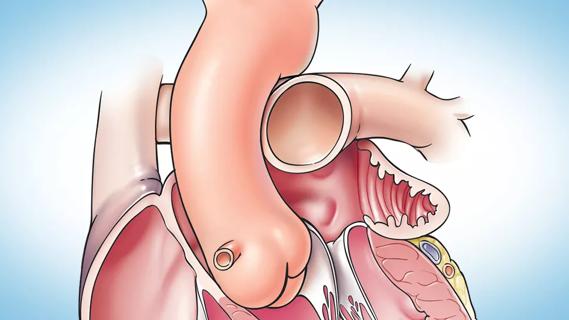
Concomitant AF ablation and LAA occlusion strongly endorsed during elective heart surgery
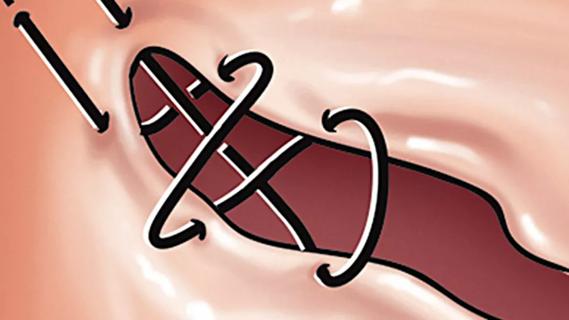
Large retrospective study supports its addition to BAV repair toolbox at expert centers
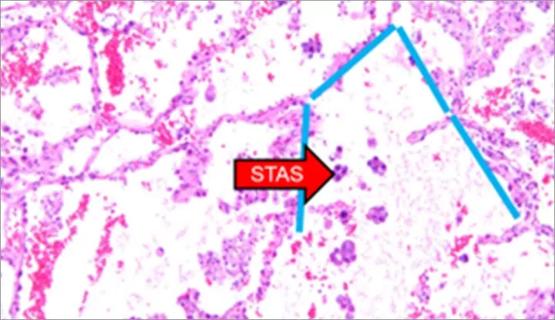
Young age, solid tumor, high uptake on PET and KRAS mutation signal risk, suggest need for lobectomy
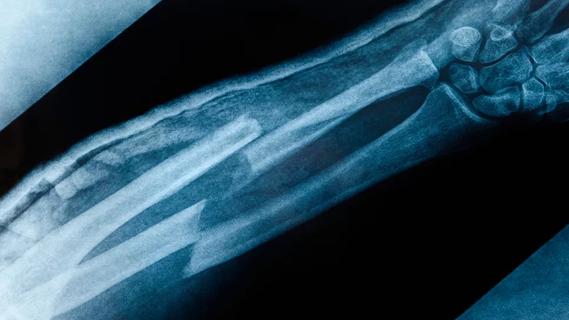
Surprise findings argue for caution about testosterone use in men at risk for fracture
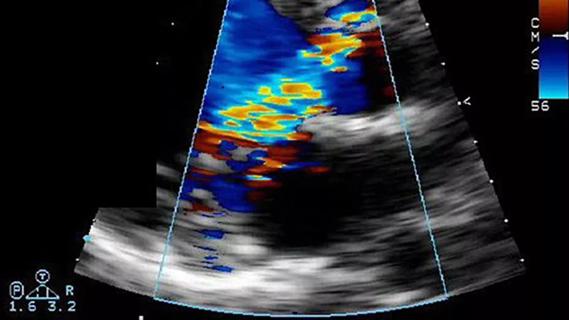
Residual AR related to severe preoperative AR increases risk of progression, need for reoperation

Findings support emphasis on markers of frailty related to, but not dependent on, age
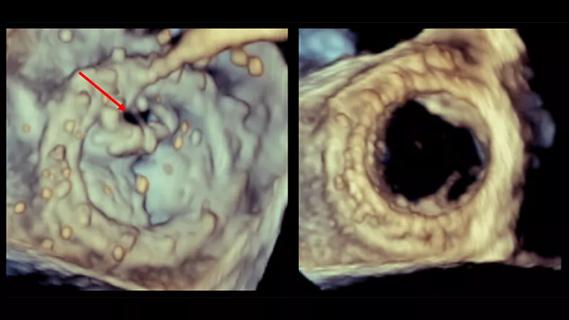
Provides option for patients previously deemed anatomically unsuitable
 Search