Locations:





Combining medical and surgical perspectives on challenging cases
Image content: This image is available to view online.
View image online (https://assets.clevelandclinic.org/transform/3405bf48-7947-4830-9681-b17f50cb387f/16-HRT-1201-HVI-CME-CQD-650x450_jpg)
Heart CME
Going to the American College of Cardiology’s 2017 Scientific Session (ACC.17) in Washington, D.C.? Why not devote a couple of your hours there to a session that helps put the many advancements being reported into useful clinical context?
Advertisement
Cleveland Clinic is a non-profit academic medical center. Advertising on our site helps support our mission. We do not endorse non-Cleveland Clinic products or services. Policy
That’s what attendees can expect from “Consensus and Controversies in the Management of Challenging Patients,” a CME symposium presented by Cleveland Clinic’s Sydell and Arnold Miller Family Heart & Vascular Institute as an independent certified session at ACC.17. The free event includes dinner and is held Thursday, March 16, from 7 to 9:15 p.m. at the JW Marriott Washington. Symposium presentations begin at 7:30.
The agenda packs a punch with 15-minute expert presentations on a slate of high-interest topics at the core of cardiovascular practice today:
“This symposium combines both medical and surgical topics, which is unusual,” says co-activity director Steven Nissen, MD, Cleveland Clinic’s Chairman of Cardiovascular Medicine. “When such combinations do happen, they lead to more fertile debate and discussion.”
Advertisement
“Discoveries, research and new devices in cardiovascular care are rapidly advancing, which bodes well for an exciting future in cardiology and cardiac surgery,” adds co-activity director Lars Svensson, MD, PhD, Chairman of the Miller Family Heart & Vascular Institute. “The time is right for a symposium like this, which will provide a window into the leading edge of cardiovascular practice.”
Symposium attendees can expect “a state-of-the-art review from expert physicians on the topics they focus on every day,” says Dr. Nissen.
“Our faculty are leaders in their respective subspecialties and will share what they and others are doing to promote better heart care in their areas of focus,” notes Dr. Svensson.
To reserve your seat at the symposium, register today at cvent.com/d/kvqx5v.
This educational activity is not part of ACC.17, but its content was reviewed and approved by the ACC.17 Program Committee.
This activity has been approved for AMA PRA Category 1 credit™.
Advertisement
Advertisement
A sampling of outcome and volume data from our Heart & Vascular Institute
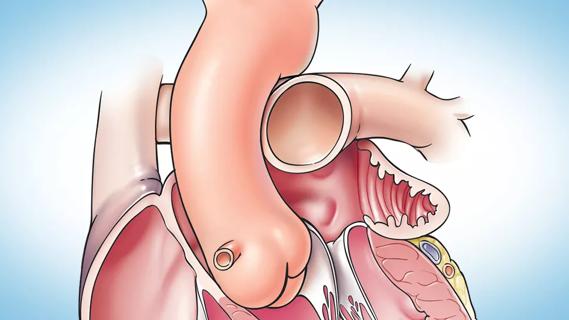
Concomitant AF ablation and LAA occlusion strongly endorsed during elective heart surgery
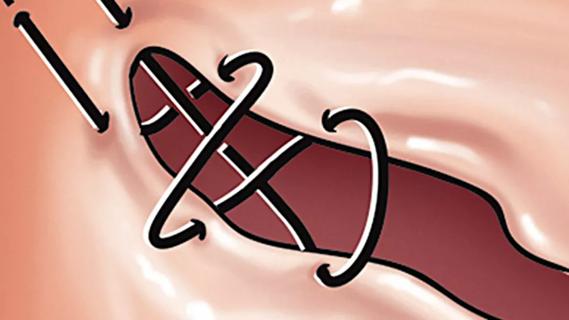
Large retrospective study supports its addition to BAV repair toolbox at expert centers
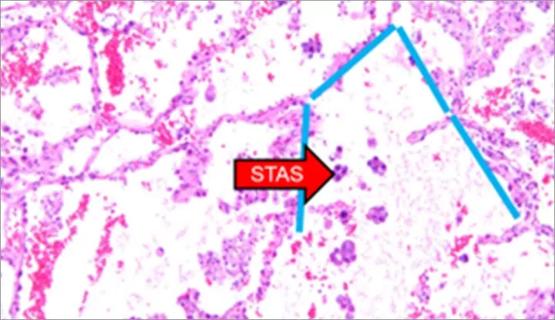
Young age, solid tumor, high uptake on PET and KRAS mutation signal risk, suggest need for lobectomy
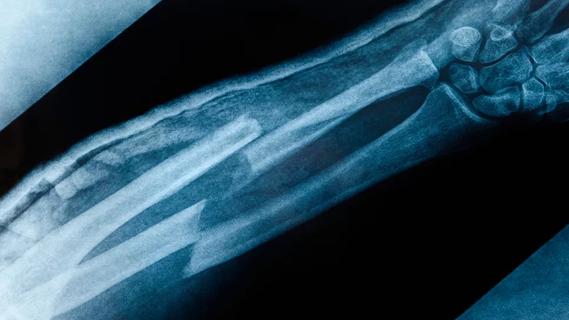
Surprise findings argue for caution about testosterone use in men at risk for fracture
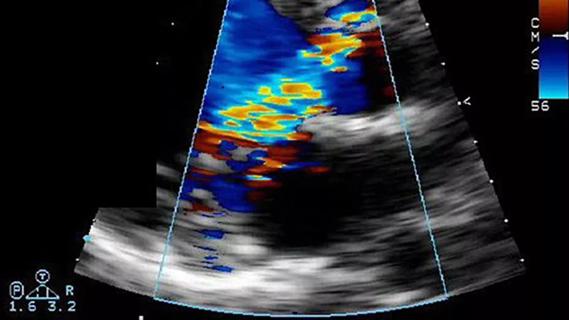
Residual AR related to severe preoperative AR increases risk of progression, need for reoperation

Findings support emphasis on markers of frailty related to, but not dependent on, age
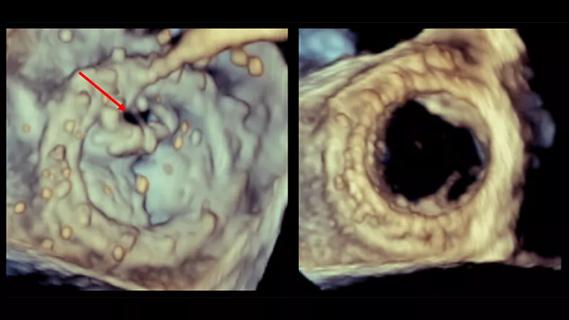
Provides option for patients previously deemed anatomically unsuitable
 Search