Locations:





Over 40 global experts will convene for 4th annual crowd-pleasing CME event
Image content: This image is available to view online.
View image online (https://assets.clevelandclinic.org/transform/848e68b2-f244-42b2-9d00-d65218b7a88c/22-HVI-2831809-CQD-650x450-1_jpg)
22-HVI-2831809 CQD 650×450
For the latest practice insights across the spectrum of electrophysiology (EP) care, there is no better forum this year than the Global EP Summit 2022, held Sept. 23-24 at the Hilton Cleveland Downtown.
Advertisement
Cleveland Clinic is a non-profit academic medical center. Advertising on our site helps support our mission. We do not endorse non-Cleveland Clinic products or services. Policy
At the 1.5-day CME-certified symposium, global leaders in EP research and clinical practice will share the most recent developments in the field to help electrophysiologists and other cardiovascular clinicians keep their practice current and maximally beneficial to patients. The course is developed and directed by Cleveland Clinic with co-sponsorship by the Heart Rhythm Society.
“This year marks our fourth offering of this summit and the first in-person offering since the inaugural summit in 2019,” says summit co-director Walid Saliba, MD, Director of Cleveland Clinic’s Electrophysiology Lab. “We will explore current challenges and leading practices in the management of atrial fibrillation (AF), ventricular tachycardia (VT), ventricular fibrillation and other arrhythmia-based syndromes using a mix of sessions from past years and new sessions providing additional perspectives on practice and research.”
This year’s iteration of the summit features the largest faculty to date, with more than 40 experts from Cleveland Clinic, other leading U.S. institutions, and top centers in Canada and Europe. Among them are numerous renowned EP practitioners as well as basic science researchers and specialists in cardiac surgery, heart failure cardiology and vascular neurology.
“We want to bring together EP experts not just to discuss the newest developments but also to drive innovation and collaboration in our field worldwide,” notes summit co-director Oussama Wazni, MD, MBA, Section Head of Cardiac Electrophysiology and Pacing at Cleveland Clinic.
Advertisement
The summit will provide opportunities for interaction with faculty via Q&A segments and/or panel discussions at the end of each of its seven themed sessions, which otherwise consist of briskly paced 10-minute overviews of well-focused topics.
Over a day and a half (a full Friday plus Saturday morning), sessions will address the following:
Advertisement
“The latter session, which concludes the summit late Saturday morning, is new this year and will likely be a highlight,” says summit co-director Shady Nakhla, MD, a staff electrophysiologist at Cleveland Clinic. “It also includes a discussion of how to strive to build the world’s finest EP program. That is emblematic of what this course aims to do — help attendees leave with information and guidance on how to improve their EP program and EP practice right away.”
For more details and registration, visit ccfcme.org/globalep22. Early-bird pricing ends Aug. 1.
This activity has been approved for AMA PRA Category 1 Credit™.
Advertisement
Advertisement
A sampling of outcome and volume data from our Heart & Vascular Institute
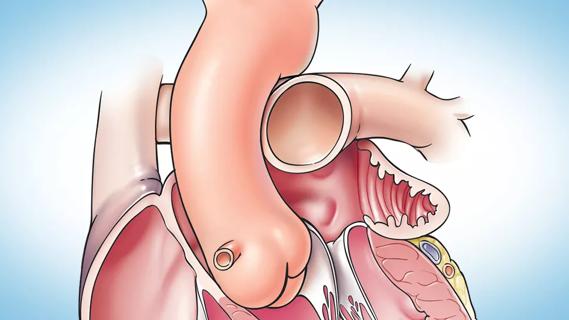
Concomitant AF ablation and LAA occlusion strongly endorsed during elective heart surgery
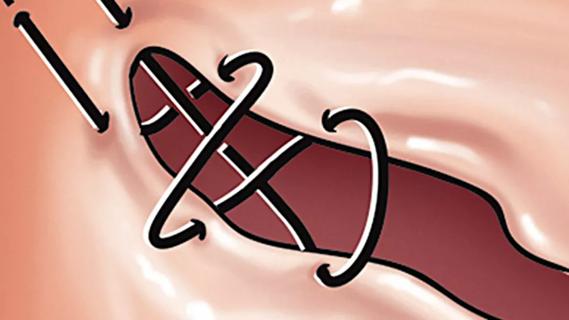
Large retrospective study supports its addition to BAV repair toolbox at expert centers
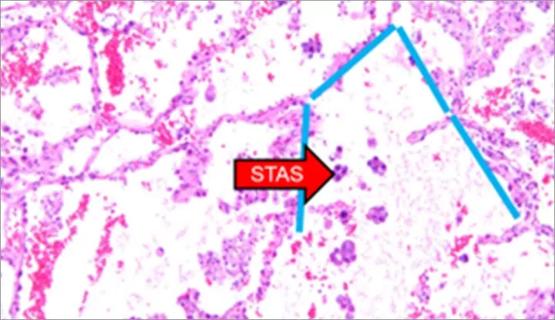
Young age, solid tumor, high uptake on PET and KRAS mutation signal risk, suggest need for lobectomy
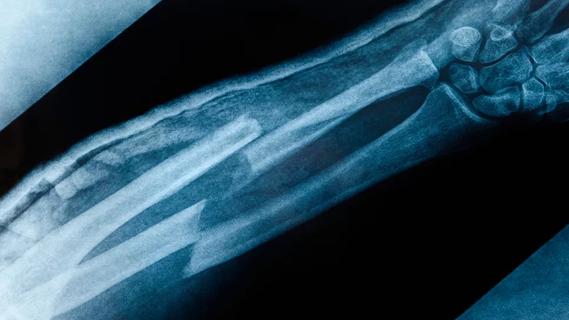
Surprise findings argue for caution about testosterone use in men at risk for fracture
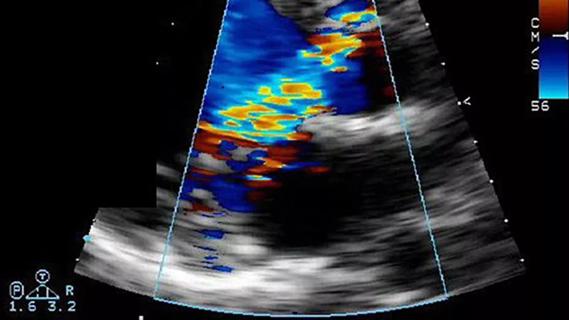
Residual AR related to severe preoperative AR increases risk of progression, need for reoperation

Findings support emphasis on markers of frailty related to, but not dependent on, age
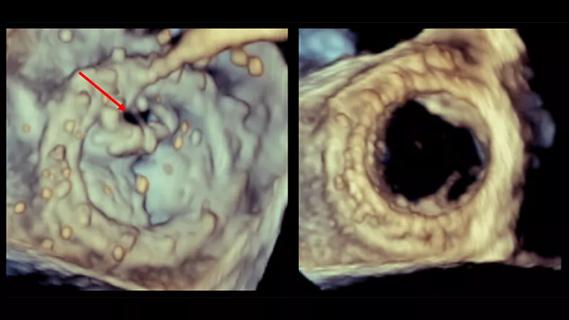
Provides option for patients previously deemed anatomically unsuitable
 Search