Locations:





Free 5-hour course will help you help patients safely reap the benefits of athletics
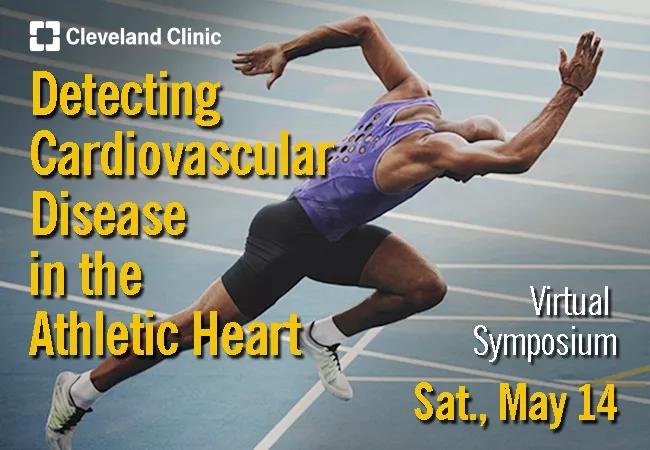
Image content: This image is available to view online.
View image online (https://assets.clevelandclinic.org/transform/32437128-f6d1-4481-ac52-ffcdc02decc2/21-HVI-2598609-CQD-650x450-cardiac-consult_jpg)
Male athlete pushing out of the starting blocks as he starts his sprint race
If you’re a provider looking to help your patients with cardiovascular disease safely enjoy the benefits of sports, Cleveland Clinic has a free CME-certified virtual symposium in store that will equip you to give the most current guidance possible.
Advertisement
Cleveland Clinic is a non-profit academic medical center. Advertising on our site helps support our mission. We do not endorse non-Cleveland Clinic products or services. Policy
A Team Sport: Detecting Cardiovascular Disease in the Athletic Heart is the debut offering of a sports cardiology course from Cleveland Clinic focused on the diagnosis and management of individuals with cardiovascular disease and the related effects on athletic training.
The course will be offered by livestream on Saturday, May 14, from 10 a.m. to 3:30 p.m. ET. Registration is complimentary.
“Contemporary pre-participation and return-to-play evaluations are more than just ‘screening,’” notes course co-director Michael Emery, MD, Co-Director of Cleveland Clinic’s Sports Cardiology Center. “They are geared toward a shared decision-making process that allows people to make informed decisions about their lives and enables those with cardiac disease to reap the benefits of sports and exercise at the minimum possible risk.”
“Our virtual symposium will be a chance for all those involved in the care of athletes to gain up-to-date knowledge on the diagnosis and management of adults with cardiovascular diseases and the implications for athletic training,” adds course co-director Tamanna Singh, MD, also Co-Director of the Sports Cardiology Center. “We are bringing together experts in sports cardiology, inherited cardiovascular diseases and sudden cardiac death to examine contemporary issues and the latest developments in this field.”
Symposium content will be delivered by a faculty of at least a dozen Cleveland Clinic experts in various cardiovascular subspecialties — sports cardiology, electrophysiology, cardiovascular imaging, adult congenital heart disease, preventive cardiology — as well as in genetic counseling and primary care sports medicine.
Advertisement
The bulk of the 5.5-hour course is devoted to three 90-minute sessions, each divided into four 15-minute focused presentations followed by a 30-minute panel discussion with questions from course attendees. These sessions explore the following areas:
The symposium concludes with a 60-minute session focused on ECGs in athletes. The centerpiece will be a 45-minute, rapid-fire case review devoted to interpreting ECGs in diverse cases presented by expert cardiologists. Course attendees will be encouraged to participate via audience response to apply what they’ve learned.
“The information shared in this symposium will help caregivers identify patients who may benefit from consultation with a sports cardiologist,” says Dr. Singh. “It will also empower them to advocate for patient-athletes to find a safe balance between the implications of cardiovascular pathology and ensuring a healthy, active lifestyle for overall cardiovascular benefit and quality of life.”
Advertisement
For more details and to register, visit ccfcme.org/sportscardiology.
This activity has been approved for AMA PRA Category 1 Credit™.
Advertisement
Advertisement
A sampling of outcome and volume data from our Heart & Vascular Institute
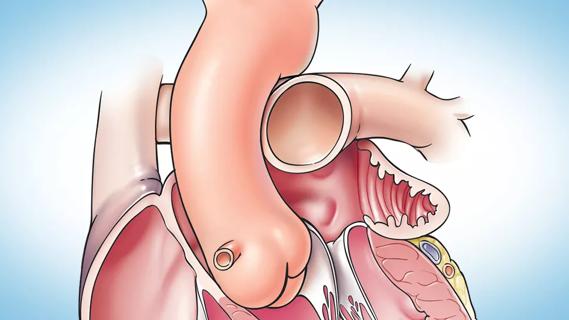
Concomitant AF ablation and LAA occlusion strongly endorsed during elective heart surgery
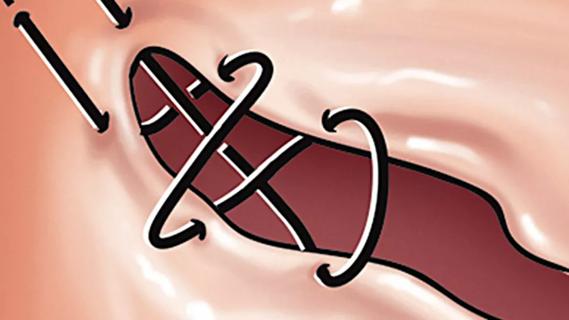
Large retrospective study supports its addition to BAV repair toolbox at expert centers
Young age, solid tumor, high uptake on PET and KRAS mutation signal risk, suggest need for lobectomy
Surprise findings argue for caution about testosterone use in men at risk for fracture
Residual AR related to severe preoperative AR increases risk of progression, need for reoperation
Findings support emphasis on markers of frailty related to, but not dependent on, age
Provides option for patients previously deemed anatomically unsuitable
 Search