Locations:





Only women see benefits of modest excess adiposity

Image content: This image is available to view online.
View image online (https://assets.clevelandclinic.org/transform/978ff49e-2284-4e34-9915-423647e724be/woman-running-860911008_jpg)
Woman running outdoors
Women with advanced heart failure who are somewhat overweight survive significantly longer than do women who are obese or of normal weight, a new analysis from Cleveland Clinic reveals.
Advertisement
Cleveland Clinic is a non-profit academic medical center. Advertising on our site helps support our mission. We do not endorse non-Cleveland Clinic products or services. Policy
The same is not true for men. Although women of any weight with heart failure have a survival advantage over men, extra pounds are detrimental to men with the syndrome, the analysis shows.
“Maintaining a healthy body weight is very important for men with heart failure,” says cardiologist Leslie Cho, MD, Director of the Women’s Cardiovascular Center at Cleveland Clinic and principal author of the study on the so-called overweight/obesity survival paradox, which was published in the November 2015 issue of JACC: Heart Failure.

Image content: This image is available to view online.
View image online (https://assets.clevelandclinic.org/transform/e011d90e-cf27-4aac-921a-29504ee0e4fb/Cho_Leslie_502030_jpg)
Leslie Cho, MD
An association between extra weight and equal or improved survival in patients with a low ejection fraction has been recognized for several years. Multiple underlying reasons have been postulated but not confirmed. The role of gender has not been fully explored.
The discovery that women’s hearts utilize more fatty acids and less glucose compared with men’s hearts led Dr. Cho and colleagues to suspect this physiologic distinction might explain what protects women’s hearts. She organized a review of patients with advanced systolic heart failure treated at Cleveland Clinic to determine the effect of body mass index (BMI) on mortality in women relative to men.
“We simply wanted to test the hypothesis,” she says.
The researchers examined the outcomes of 3,811 patients with an ejection fraction ≤ 40 percent who had undergone cardiopulmonary exercise testing at Cleveland Clinic between 1995 and 2011. Patients were categorized by weight as follows:
Advertisement
Patients were followed for a mean of 6.2 years. After adjustment for all confounders, mortality rates were higher for overweight and obese men than for normal-weight men and for women of any weight.
Conversely, overweight women were found to survive 16 percent longer than women of normal weight and 19 percent longer than obese women.
“Greater myocardial fatty acid uptake and lower myocardial glucose utilization may be an effect of estrogen,” notes Dr. Cho. “This raises the possibility that women’s hearts are more dependent on fatty acids for energy production than male hearts are, potentially explaining the survival advantage of females with excess adiposity.”
The study was undertaken purely to test a scientific hypothesis and should not be construed as a license for women to gain weight, Dr. Cho warns. “Obesity remains a key determinant of cardiovascular health,” she says. Indeed, obesity (as opposed to overweight) did not confer a survival advantage among the study’s female cohort.
An editorial accompanying the study in JACC: Heart Failure concurs, concluding that efforts to prevent obesity, especially in its more severe forms, are needed in patients with heart failure. The editorial points out that Dr. Cho’s study echoes the “obesity paradox” found in previous studies of survival in heart failure but notes that this new study “had longer follow-up and a better assessment of potential confounders.”
Further research is needed to understand why modest excess adiposity appears to have a favorable biological impact on females, Dr. Cho notes.
Advertisement
“Greater understanding may reveal new therapeutic opportunities in advanced heart failure and also enable more accurate counseling of heart failure patients regarding weight management,” she says.
Advertisement
Advertisement
A sampling of outcome and volume data from our Heart & Vascular Institute
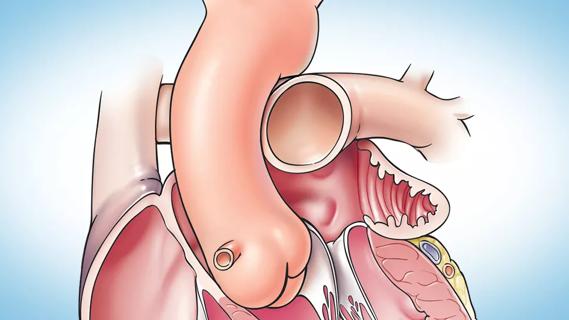
Concomitant AF ablation and LAA occlusion strongly endorsed during elective heart surgery
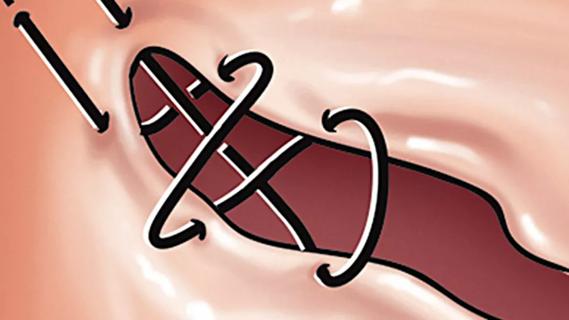
Large retrospective study supports its addition to BAV repair toolbox at expert centers
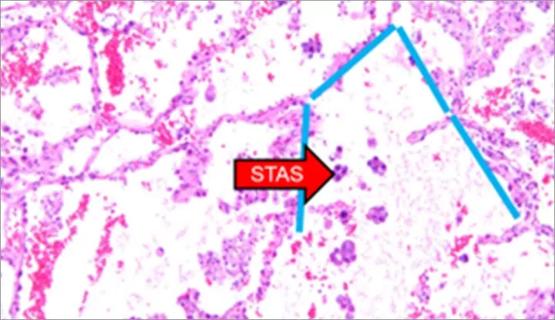
Young age, solid tumor, high uptake on PET and KRAS mutation signal risk, suggest need for lobectomy
Surprise findings argue for caution about testosterone use in men at risk for fracture
Residual AR related to severe preoperative AR increases risk of progression, need for reoperation

Findings support emphasis on markers of frailty related to, but not dependent on, age
Provides option for patients previously deemed anatomically unsuitable
 Search