Locations:






Image content: This image is available to view online.
View image online (https://assets.clevelandclinic.org/transform/6ca4aa59-568a-45fa-a063-514f6fea4269/Gastroparesis-Clinic-690x380_jpg)
Gastroparesis Clinic-690×380
A new multidisciplinary clinic at Cleveland Clinic aims to coordinate, optimize and streamline the care of patients with gastroparesis.
Advertisement
Cleveland Clinic is a non-profit academic medical center. Advertising on our site helps support our mission. We do not endorse non-Cleveland Clinic products or services. Policy
Patients referred to this innovative clinic can be evaluated by gastroenterologist Michael Cline, DO, and general surgeon Matthew Kroh, MD, in one setting. Experts in nutrition therapy, pain management and other services are available as needed.
“One of the big advantages for patients is they will no longer have to make long, multiple-day visits,” Dr. Cline says. Instead of visiting different departments over three to five days, patients get all necessary care in the clinic over one to two days.
The multidisciplinary collaboration means physicians can more easily follow 2013 gastroparesis guidelines from the American College of Gastroenterology. In part, ACG recommends a stepwise approach that starts with medication and nutrition therapy, followed by more invasive surgery to place a gastric pacemaker, as indicated.
Faster evaluation and adoption of new technology is another potential advantage, Dr. Cline says. “Working together so closely means it is much easier to implement the latest advances in patient care.”
Cleveland Clinic physicians also are evaluating the promise of SmartPill® technology. The SmartPill (Given Imaging Ltd., Yokneam, Israel) allows direct visualization of the stomach emptying and could help identify when gastroparesis affects another part of the gut.
Patients can be referred to this new clinic by calling 855.REFER.123.
Advertisement
Advertisement

Strong patient communication can help clinicians choose the best treatment option
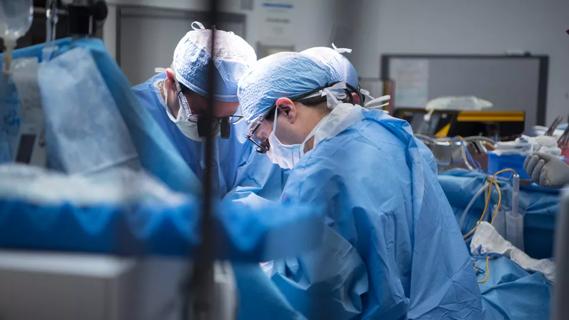
ctDNA should be incorporated into care to help stratify risk pre-operatively and for post-operative surveillance

The importance of raising awareness and taking steps to mitigate these occurrences
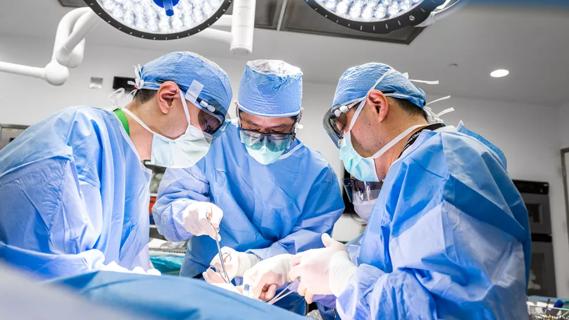
New research indicates feasibility and helps identify which patients could benefit

Treating a patient after a complicated hernia repair led to surgical complications and chronic pain
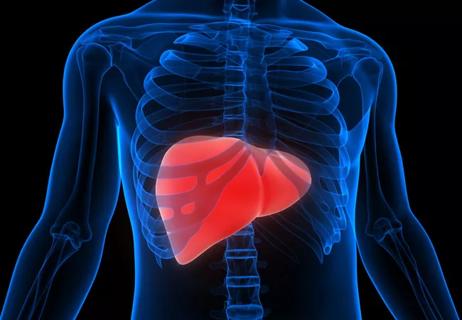
Standardized and collaborative care improves liver transplantations
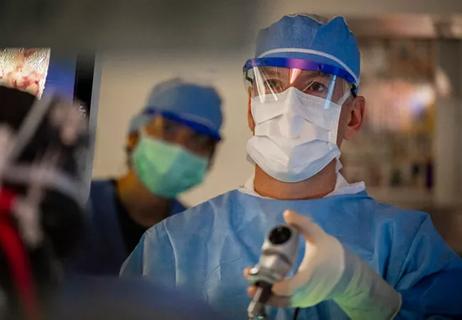
Fewer incisions and more control for surgeons

Caregiver collaboration and patient education remain critical
 Search