Locations:





Recognizing the need to intensify therapy

Image content: This image is available to view online.
View image online (https://assets.clevelandclinic.org/transform/1d061c8d-5c73-4b4f-a8a1-27e1843c8236/diabetes-check_650x450_jpg)
diabetes-check_650x450
Clinical practice guidelines recommend frequent monitoring of HbA1c levels in patients with uncontrolled type 2 diabetes. This means checking patients every three months and escalating antihyperglycemic therapies to reach glycemic targets.
Advertisement
Cleveland Clinic is a non-profit academic medical center. Advertising on our site helps support our mission. We do not endorse non-Cleveland Clinic products or services. Policy
Recent Cleveland Clinic research highlights a high level of clinical inertia, meaning a failure to intensify therapy when the need is clinically indicated. A team at Cleveland Clinic looked at electronic medical record data of more than 7,300 patients with type 2 diabetes with an HbA1c value of ≥ 7 percent on a stable regimen of two oral anti-diabetic agents for at least 6 months (from 2005-2016). After systematic review, it was found that median time to treatment intensification after HbA1c was above target was longer than one year. Of great concern to the researchers was the finding that even for patients with an HbAc1 of ≥ 9 percent, therapy was not intensified in 44 percent of patients.
The team concluded that the data identifies a pervasiveness of clinical inertia for the management of type 2 diabetes in the real-world clinical practice setting.
According to lead study author Kevin Pantalone, MD, of Cleveland Clinic’s Endocrinology & Metabolism Institute, “Short of a patient reporting non-adherence to their existing regimen of diabetes therapies, it is hard to imagine a reason why treatment intensification was not observed more frequently, when indicated, particularly in patients with an A1C ≥ 9 percent. In general, if intensification does not occur, the A1C can be expected to stay the same or get worse, it is not magically going to get better.”
Dr. Pantalone added, “It is important for providers to recognize the need to intensify therapy when a patient’s A1C is not at goal, and this includes considering not only adding additional anti-diabetic therapies, but also non-pharmacologic forms of interventions, such as nutrition consultations or referrals to certified diabetes educators.”
Advertisement
The team plans to do further analysis of the research to look at patterns in the changes in HbA1c values according to the types of interventions received
See the full manuscript at Diabetes Care.
This study was funded by Novo Nordisk, Inc. Dr. Pantalone reports receiving consulting fees from Novo Nordisk, Merck, and Sanofi within the past 12 months. Dr. Pantalone has also received research support from Novo Nordisk and Merck within the past 12 months, and he has received speaker honoraria as a member of the AstraZeneca, Novo Nordisk and Merck speaker bureaus within the past 12 months.
Advertisement
Advertisement

Radiofrequency ablation significantly reduces symptom severity, shrinks nodules

Maternal-fetal medicine specialists, endocrinologists and educators team up

Giving young patients a hand as they take charge of their own health

Case illustrates how easily condition can mimic preeclampsia
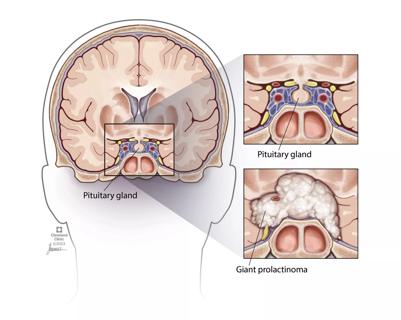
Analysis examines surgical resection of rare pituitary tumors
Screening and medication key to better outcomes

Spinal cord stimulation can help those who are optimized for success
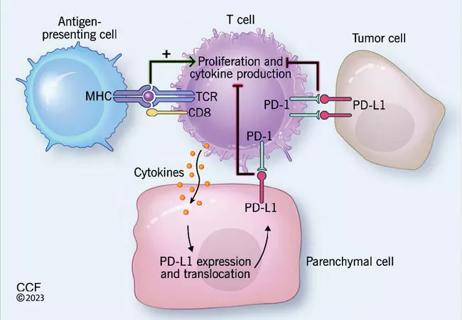
Incidence, outcomes and management
 Search