Locations:





Earlier procedures improve outcomes and quality of life
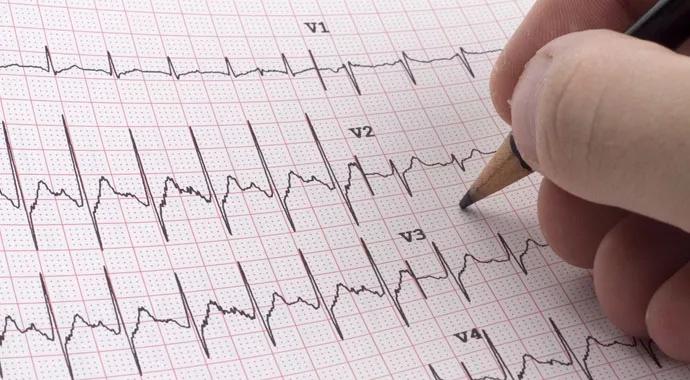
Image content: This image is available to view online.
View image online (https://assets.clevelandclinic.org/transform/e40e4ac5-c3c6-4f1a-b472-545b2168dcda/AFib-690x380_jpg)
First-Line Ablation Works for Atrial Fibrillation Patients
Cleveland Clinic researchers have found that catheter ablation is more helpful and results in better success rates when performed earlier in patients with atrial fibrillation.
Advertisement
Cleveland Clinic is a non-profit academic medical center. Advertising on our site helps support our mission. We do not endorse non-Cleveland Clinic products or services. Policy
Ablation is indicated for patients with paroxysmal atrial fibrillation. But in persistent atrial fibrillation cases, the guidelines still recommend trying medication first. Oussama Wazni, MD, Co-Director of the Center for Atrial Fibrillation and the Ventricular Arrhythmia Center, and Director of the Outpatient Electrophysiology Department, says his research team has found that ablation can relieve symptoms and improve quality of life in atrial fibrillation patients.
“We found in our research that even though the condition may be controlled with medications, doing an ablation earlier would be more helpful and result in better success rates,” Dr. Wazni says.
“The reason is that pathophysiological changes that contribute to persistence of AF continue to happen despite the condition being controlled with mediations.
“What we found in our research is that from the time of diagnosis of atrial fibrillation, the sooner the ablation, the better the outcome.”
Ablation is most appropriate for patients with continued symptoms of atrial fibrillation, despite treatment with medications, and in patients who cannot tolerate antiarrhythmic drugs. A single pulmonary vein ablation procedure is completely curative in about 75 percent to 80 percent of patients with paroxysmal atrial fibrillation not associated any other heart disease. The long-term goal of the ablation procedure is to eliminate the need for medication use to prevent atrial fibrillation.
Dr. Wazni says the findings, which are based on the largest number of patients to date with the longest follow-up, may change practice guidelines for ablation.
Advertisement
“What we’re finding in our practice is that after failing initial drug therapy, patients are then switched to other medications from the anti-arrhythmic medications compendium several times before they are referred for ablation,” he says. “More and more data is revealing first-line ablation is not a bad idea in a majority of patients. We may reach a stage where we say don’t even try medications, but go straight to ablation.”
Dr. Wazni’s team also is looking into newer technology, including catheter contact force, to determine if it improves efficacy. Catheter contact force is known to be an important factor in radiofrequency lesion quality during pulmonary vein isolation. Technology improvements now allow real-time measurement of catheter tip-to-tissue contact force during the ablation procedure.
The Center for Atrial Fibrillation at Cleveland Clinic brings together specialists from cardiology, electrophysiology, cardiac surgery, cardiac imaging and arrhythmia research with expertise in diagnostic testing, medical management, and interventional and surgical procedures.
Advertisement
Advertisement
A sampling of outcome and volume data from our Heart & Vascular Institute
Concomitant AF ablation and LAA occlusion strongly endorsed during elective heart surgery
Large retrospective study supports its addition to BAV repair toolbox at expert centers
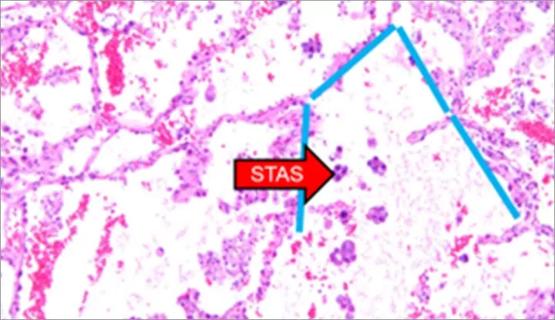
Young age, solid tumor, high uptake on PET and KRAS mutation signal risk, suggest need for lobectomy
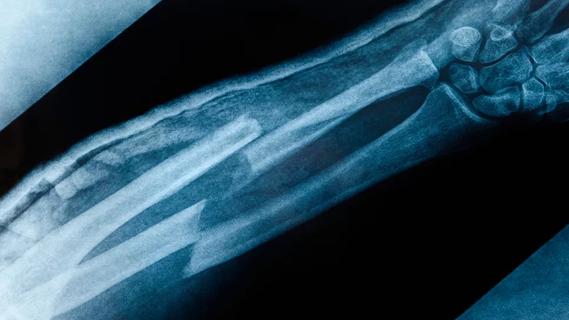
Surprise findings argue for caution about testosterone use in men at risk for fracture
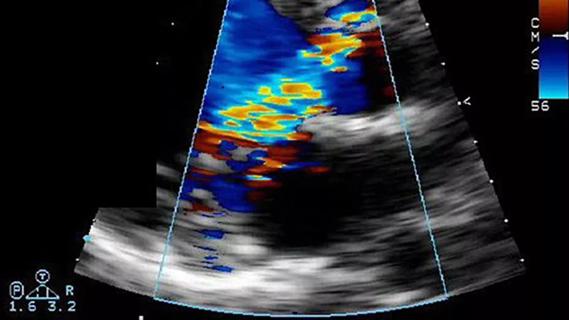
Residual AR related to severe preoperative AR increases risk of progression, need for reoperation

Findings support emphasis on markers of frailty related to, but not dependent on, age
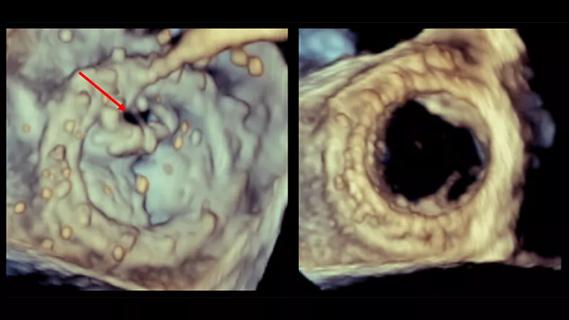
Provides option for patients previously deemed anatomically unsuitable
 Search