Locations:





Further lowering LDL reduces risk in post-ACS patients
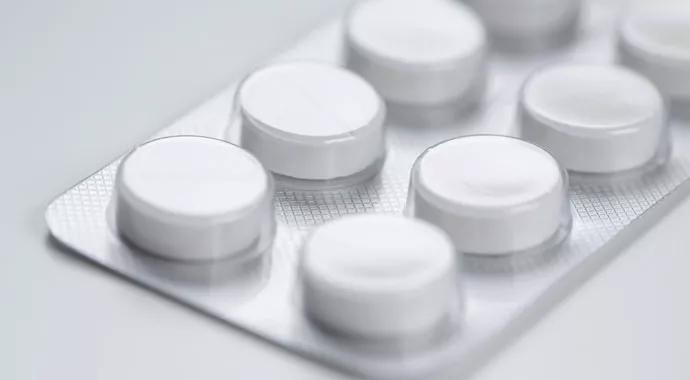
Image content: This image is available to view online.
View image online (https://assets.clevelandclinic.org/transform/624fb74a-686b-4055-aec9-46e95767a1b5/Ezitimibe-690x380_jpg)
Ezitimibe-690×380
The IMPROVE-IT trial found that adding ezetimibe (Zetia®) to statin therapy further lowered LDL and with it, cardiovascular risk in post-acute-coronary-syndrome patients.
Advertisement
Cleveland Clinic is a non-profit academic medical center. Advertising on our site helps support our mission. We do not endorse non-Cleveland Clinic products or services. Policy
“Although statins remain the most effective medications for lowering cholesterol, IMPROVE-IT showed that a non-statin with a different mechanism of lowering LDL does provide some benefit,” says Steven Nissen, MD, Chairman of Cardiovascular Medicine at Cleveland Clinic. “However, the benefit was small, took a long time to occur and came at a relatively high cost.”
The study, presented at the American Heart Association 2014 Scientific Sessions, randomized more than 18,000 patients to simvastatin 40 mg with or without ezetimibe. The primary end point was a composite of cardiovascular death, myocardial infarction, unstable angina requiring hospitalization, revascularization or stroke. After seven years of treatment, 32.7 percent of patients taking the dual therapy experienced the endpoint, versus 34.7 percent of patients taking the statin alone—a 6.4 percent lower risk, or an absolute risk reduction of 2 percent, over seven years.
Dr. Nissen calculated that the cost of ezetimibe to prevent a single non-fatal event was approximately $900,000.
Interestingly, adding ezetimibe did not reduce mortality rates. However, this drug did reduce the relative risk of myocardial infarction by 13 percent and the relative risk of ischemic stroke by 21 percent.
“These findings demonstrate that this method of LDL lowering is potentially useful in a very high-risk population,” says Dr. Nissen.
IMPROVE-IT was the first trial to lower patients’ LDL levels into unknown territory–<70 mg/dL in both arms. Simvastatin reduced LDL from a mean of 95 mg/dL to 69.9 mg/dL; those taking simvastatin plus ezetimibe reached 53.2 mg/dL after one year. A moderate difference remained throughout the seven-year trial.
Advertisement
Moreover, the very low levels of LDL appeared safe.
Advertisement
Advertisement
A sampling of outcome and volume data from our Heart & Vascular Institute
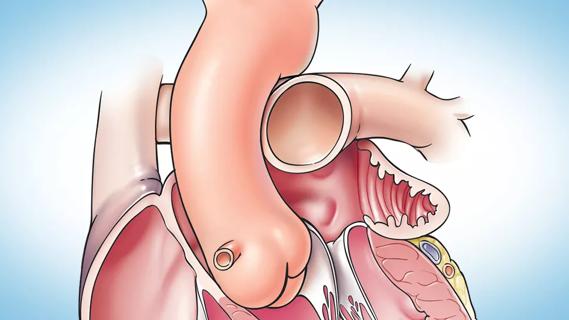
Concomitant AF ablation and LAA occlusion strongly endorsed during elective heart surgery
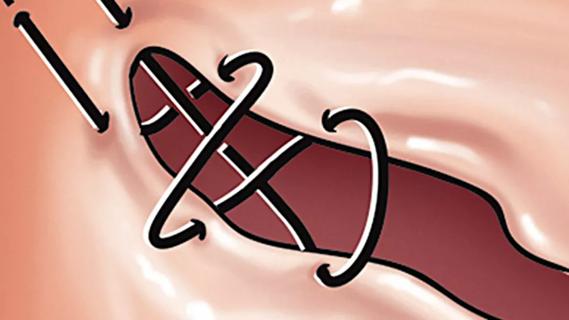
Large retrospective study supports its addition to BAV repair toolbox at expert centers
Young age, solid tumor, high uptake on PET and KRAS mutation signal risk, suggest need for lobectomy
Surprise findings argue for caution about testosterone use in men at risk for fracture
Residual AR related to severe preoperative AR increases risk of progression, need for reoperation

Findings support emphasis on markers of frailty related to, but not dependent on, age

Provides option for patients previously deemed anatomically unsuitable
 Search