Locations:





A short video portrait and overview of our experience to date
Despite consistently performing one of the highest yearly volumes of lung transplants in the U.S., Cleveland Clinic isn’t yet satisfied with the number of patients who are able to be helped with lung transplantation.
Advertisement
Cleveland Clinic is a non-profit academic medical center. Advertising on our site helps support our mission. We do not endorse non-Cleveland Clinic products or services. Policy
That’s in large part because of the missed opportunities represented by the approximately 80% of donor lungs that are deemed marginal and thus declined for transplantation.
To reduce that proportion of declined lungs, Cleveland Clinic obtained and began using the XVIVO Perfusion System (XPS™) for ex vivo lung perfusion (EVLP) in May 2018. Here is a profile of the system’s use at Cleveland Clinic in the first 12 months since its introduction:
18 sets of lungs perfused in-house using EVLP
10 cases of lung transplant in 11 patients following EVLP
(one EVLP case resulted in two cases of single lung transplant)
All cases of EVLP are overseen by Toshihiro Okamoto, MD, PhD, Associate Director of the EVLP Program, who leads a team of three physician fellows, a nurse and a perfusionist who work on each EVLP case. Dr. Okamoto and the fellows are on call for all cases, with a dedicated crew of three nurses and six perfusionists trained in EVLP to staff the team whenever needed.
“The manpower we devote to each case, together with our commitment, sets our EVLP program apart,” says Kenneth McCurry, MD, Surgical Director of Lung and Heart-Lung Transplantation. “We are developing the deep experience that will guarantee success in EVLP, as you need to do these cases on a frequent basis in the context of a high-volume lung transplant program to develop true expertise.”
Advertisement
He adds that a next step for Cleveland Clinic will be the use of EVLP as a platform for delivering therapeutics to further enhance lung function whenever needed: “We see EVLP as providing opportunity to grow our program and offer transplantation to more patients as well as a chance to deliver a variety of therapeutics to donor lungs to offer patients more than we currently can now.”
The 80-second captioned video below provides a glimpse into key steps in the EVLP process from a recent Cleveland Clinic case:
Video content: This video is available to watch online.
View video online (https://www.youtube.com/embed/DXnCwKr4xD8?feature=oembed)
Ex Vivo Lung Perfusion in Action and by the Numbers
Advertisement
Advertisement
A sampling of outcome and volume data from our Heart & Vascular Institute
Concomitant AF ablation and LAA occlusion strongly endorsed during elective heart surgery
Large retrospective study supports its addition to BAV repair toolbox at expert centers
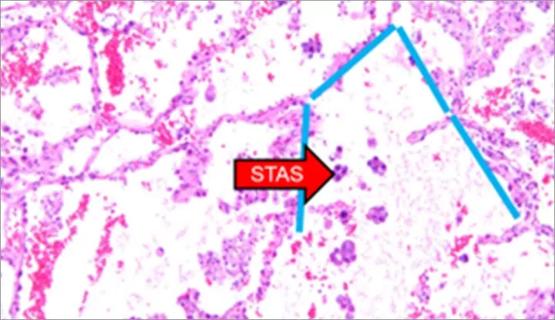
Young age, solid tumor, high uptake on PET and KRAS mutation signal risk, suggest need for lobectomy
Surprise findings argue for caution about testosterone use in men at risk for fracture
Residual AR related to severe preoperative AR increases risk of progression, need for reoperation
Findings support emphasis on markers of frailty related to, but not dependent on, age
Provides option for patients previously deemed anatomically unsuitable
 Search