Locations:





Richness of options is good, but decision-making guidance sorely needed
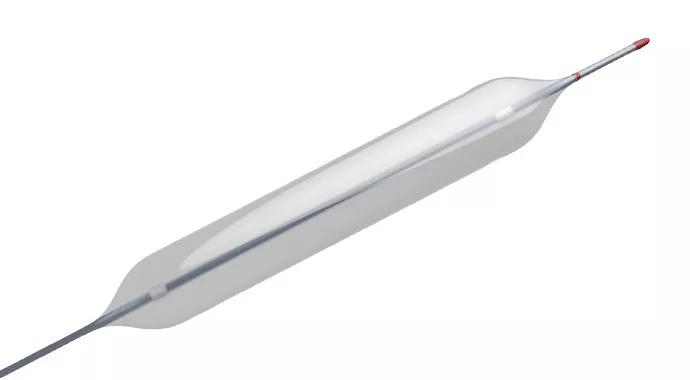
Image content: This image is available to view online.
View image online (https://assets.clevelandclinic.org/transform/aa691e92-867f-453a-a7ee-9f7c8209e365/INPACT-690x380_jpg)
INPACT-690×380
New 24-month results from the IN.PACT SFA trial provide further encouragement about the utility of a new drug-coated balloon (DCB) relative to standard angioplasty. But how much closer is the cardiovascular community to having a clear standard of care for femoropopliteal lesions?
Advertisement
Cleveland Clinic is a non-profit academic medical center. Advertising on our site helps support our mission. We do not endorse non-Cleveland Clinic products or services. Policy
Not as close as we need to be. So argues Mehdi H. Shishehbor, DO, MPH, PhD, in an invited editorial accompanying the IN.PACT SFA study report in Journal of the American College of Cardiology.
“The authors should be congratulated for these outstanding results in moderately long lesions,” writes Dr. Shishehbor, Director of Endovascular Services at Cleveland Clinic. “However, how generalizable are these results?” he adds, noting that there remain many options for the endovascular treatment of femoropopliteal lesions, with few head-to-head randomized comparisons between technologies.
In brief, the randomized IN.PACT SFA trial compared the Admiral DCB (Medtronic Endovascular) with standard angioplasty in 331 patients with Rutherford class 2-4 femoropopliteal lesions (mean lesion lenth, 8.94 cm).
DCB therapy was associated with significantly higher rates of patency at 24 months compared with angioplasty (78.9 percent vs. 50.1 percent) as well as significantly lower rates of clinically driven target lesion revascularization (9.1 percent vs. 28.3 percent).
Other notable findings:
In his assessment of IN.PACT SFA, Dr. Shishehbor points out the following:
Advertisement
Despite the study’s strengths, Dr. Shishehbor notes that additional questions are left unanswered:
Beyond these study-specific questions, Dr. Shishehbor catalogs uncertainties stemming from the “treatment conundrum” brought about by the burgeoning number of options now available to treat femoropopliteal lesions. These include nitinol self-expanding stents, drug-eluting stents, wire-interwoven nitinol stents, covered stents and now DCBs — not to mention atherectomy or cutting balloon angioplasty.
Dr. Shishehbor writes that it’s difficult even to assess the two DCBs commercially available in the U.S. — the Admiral DCB and Bard’s Lutonix® 035 DCB — against one another at this point. They differ in paclitaxel dose, excipient used, coating technology and balloon materials. Moreover, there are no head-to-head comparison data between the two DCBs, and their pivotal trials for FDA approval defined primary patency in different ways. “An important question remains,” Dr. Shishehbor observes. “Is this a class effect or are there differences between the two currently approved devices?”
Despite the lingering questions, Dr. Shishehbor notes that IN.PACT SFA and other DCB studies to date have clarified at least a few important points:
Advertisement
“[DCB] technology has received a warm welcome from most physicians,” he writes, expressing hope that global registries for both of the commercially available DCBs will yield important insights to guide clinicians in the future. He identifies several priority research questions for both DCBs: How they perform in the setting of severe calcification, how they perform against long lesions (> 20 cm) and whether they are effective in patients with Rutherford class 5 and 6 lesions.
In the meantime, Dr. Shishehbor concludes, “we must encourage and demand head-to-head comparisons of old, new and future technologies so that the safest, most efficacious and cost-effective devices are identified.”
Join us April 17-19, 2016, at the Cleveland Clinic Masters’ Approach to Critical Limb Ischemia Symposium.
Advertisement
Advertisement

A sampling of outcome and volume data from our Heart & Vascular Institute
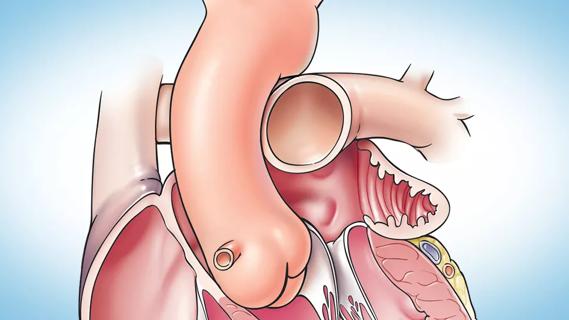
Concomitant AF ablation and LAA occlusion strongly endorsed during elective heart surgery
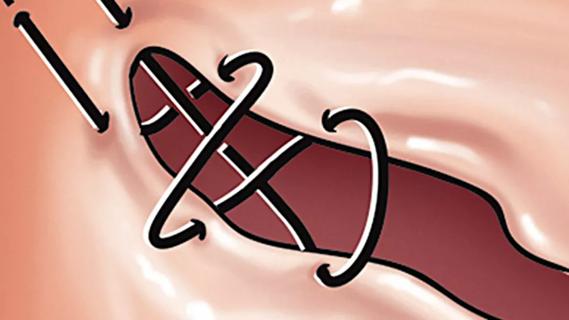
Large retrospective study supports its addition to BAV repair toolbox at expert centers
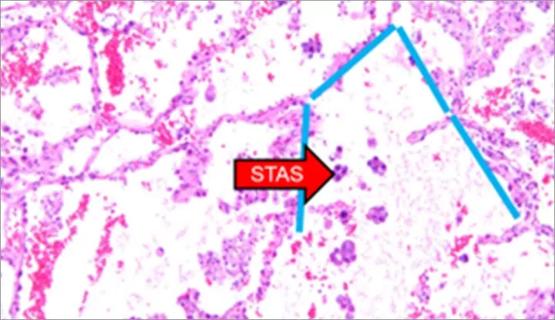
Young age, solid tumor, high uptake on PET and KRAS mutation signal risk, suggest need for lobectomy

Surprise findings argue for caution about testosterone use in men at risk for fracture
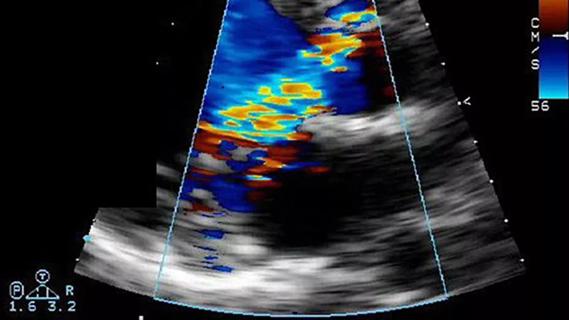
Residual AR related to severe preoperative AR increases risk of progression, need for reoperation

Findings support emphasis on markers of frailty related to, but not dependent on, age
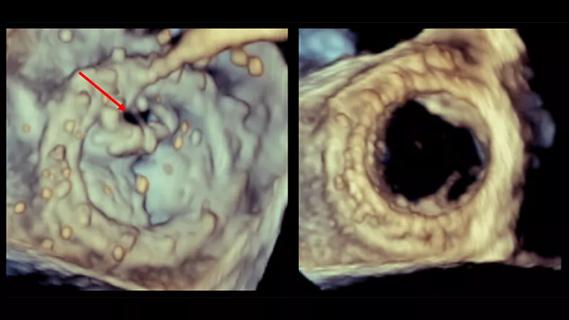
Provides option for patients previously deemed anatomically unsuitable
 Search