Locations:





An increasingly viable option for selected patients
Advertisement
Cleveland Clinic is a non-profit academic medical center. Advertising on our site helps support our mission. We do not endorse non-Cleveland Clinic products or services. Policy
A 55-year-old man had elective aortic valve replacement at an outside hospital for aortic stenosis. He was discharged after one week without complications, but it was noted that weaning him from ventilatory support took longer than usual.
Two weeks after discharge, the patient’s home nurse noted that his blood oxygen level was very low. The nurse sent him to the emergency department, and he was rehospitalized with acute respiratory distress syndrome. When ventilatory support proved inadequate, he was placed on venovenous extracorporeal membrane oxygenation (ECMO) with double-site cannulation and then sedated and chemically paralyzed.
Over the ensuing six weeks, he developed multiple complications, including renal failure, and the medical team grew concerned that he could not be weaned off ECMO. They reached out to Cleveland Clinic for consideration for lung transplantation and transfer to Cleveland Clinic.
The patient arrived at Cleveland Clinic by Life Flight helicopter on venovenous ECMO and sedated and chemically paralyzed. Having been bedbound for two months, he was so weak that he could not lift his arms or legs. He was also emaciated, weighing 120 pounds (down from 170 before hospitalization).
Lung evaluation revealed extensive fibrosis. It was deemed likely that he had previously unrecognized lung disease and that he could not survive without lung transplantation. Normally, someone in this extremely debilitated state would not be considered a candidate for transplant. But because he was young and had strong social support, it was decided that efforts would be made to try to improve his status so he could be considered for transplant.
Advertisement
The following steps were taken:
Video content: This video is available to watch online.
View video online (https://www.youtube.com/embed/2496_XlSqdQ?feature=oembed)
Under this program, the patient regained cognitive function, gained weight and became more physically fit. Setbacks did occur during hospitalization — including additional complications of kidney failure and sepsis — but two months after arrival at Cleveland Clinic, he was deemed well enough to be listed for transplant.
Six days after listing, the patient underwent double-lung transplantation. At that point, he had been sustained on ECMO for 125 days. After the surgery, he remained in the hospital for another two months as he regained strength and pulmonary function. He developed recurrent acute kidney injury following transplantation and ultimately required institution of dialysis. He was discharged home doing well.
Advertisement
It is now four years since his transplant, and his annual checkups have been unremarkable. While he remains on dialysis, he is being evaluated for a renal transplant and has good functional capacity with excellent lung function. He recently sent a picture of himself and his wife on vacation, enjoying themselves at the beach.
As outlined below, this case underscores important shifts in our thinking around lung transplantation, as well as keys to success.
ECMO can be a tool for bridging to transplant. With proper patient selection, awake ambulatory ECMO can lead to successful lung transplantation outcomes. Age 65 is generally our cutoff for this approach, with older patients considered if they are robust and have few medical issues. Patients with fibrotic lung disease should especially be considered for ECMO bridging, as they tend to do poorly with mechanical ventilation.
Acute respiratory failure and prolonged ECMO don’t rule out transplant. Lung transplantation is most commonly done in the setting of chronic lung disease, but for selected patients, it can also be considered for acute decompensation (in the setting of chronic disease or not), even after prolonged ECMO.
We recently reported in Annals of Thoracic Surgery (2018;106:192-198) Cleveland Clinic’s experience with 30 patients who underwent ECMO as a bridge to lung transplantation from 2012 to 2015. Bridging to transplant with ECMO was successful in 87 percent of patients, and among those patients, survival rates were 92 percent at 30 days and 80 percent at three years (91 percent among patients who underwent primary transplants).
Advertisement
Dedication across a multidisciplinary team is essential. This patient arrived in very poor shape and required exceptional efforts from surgeons, ICU intensivists, physical therapists, respiratory therapists, pulmonologists, social workers and nurses to improve his physical and mental status to make him ready for transplant listing. We routinely conduct multidisciplinary rounds on ECMO patients to drive home this “recovery culture” to the entire healthcare team.
Transplant is becoming possible for more patients. With a dedicated heart/lung failure intensive care unit, Cleveland Clinic has had the highest-volume lung transplant center in the U.S. cumulatively over the past nine years, and we accept many patients who have been rejected elsewhere. Additionally, the emergence of normothermic ex vivo lung perfusion technology is making more lungs available for transplant, which coincides with our increasing ability to prepare sicker patients for listing and successful outcomes.
Dr. McCurry, a cardiothoracic surgeon, is Surgical Director of Lung Transplantation and Director of the Respiratory ECMO Program at Cleveland Clinic.
Advertisement
Advertisement
A sampling of outcome and volume data from our Heart & Vascular Institute
Concomitant AF ablation and LAA occlusion strongly endorsed during elective heart surgery
Large retrospective study supports its addition to BAV repair toolbox at expert centers
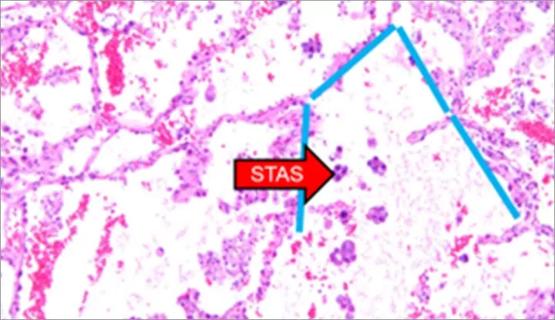
Young age, solid tumor, high uptake on PET and KRAS mutation signal risk, suggest need for lobectomy
Surprise findings argue for caution about testosterone use in men at risk for fracture
Residual AR related to severe preoperative AR increases risk of progression, need for reoperation
Findings support emphasis on markers of frailty related to, but not dependent on, age
Provides option for patients previously deemed anatomically unsuitable
 Search