Locations:





Global EP Summit 2019 makes Cleveland ground zero for EP this fall
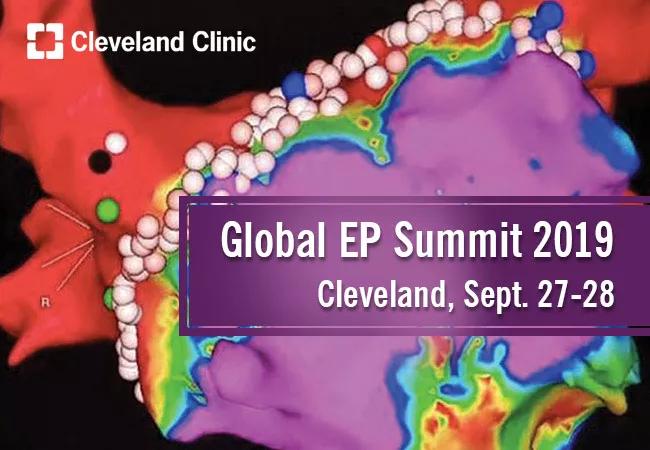
Image content: This image is available to view online.
View image online (https://assets.clevelandclinic.org/transform/4bc6a129-c0cf-4675-8c84-367231a6e6de/19-HRT-331-globalEPSummitPromo-650x450_jpg)
19-HRT-331-globalEPSummitPromo-650×450
Some CME courses may try to be all things to all cardiac subspecialists, but not Cleveland Clinic’s Global EP Summit 2019: This gathering in downtown Cleveland on Friday, Sept. 27- Sat., Sept. 28, is a CME event for cardiac electrophysiologists by cardiac electrophysiologists.
Advertisement
Cleveland Clinic is a non-profit academic medical center. Advertising on our site helps support our mission. We do not endorse non-Cleveland Clinic products or services. Policy
“This symposium provides a forum for leaders in electrophysiology research and clinical practice to interact and enjoy open discussion of research, practice challenges and future directions in electrophysiology,” says course director Oussama Wazni, MD, MBA, Cleveland Clinic’s Section Head of Cardiac Electrophysiology and Pacing. “We’ll be focusing on the latest developments in the subspecialty, with an eye toward encouraging innovation and collaboration.”
The day-and-a-half program will be packed with the insights of two dozen expert faculty from Cleveland Clinic and beyond, featuring luminaries from eight other leading U.S. medical centers as well as from Australia. While the large majority are electrophysiologists, several specialists in heart failure, cardiac imaging, cardiac surgery and stroke neurology share their relevant expertise as well.
The agenda is comprehensive, with full sessions dedicated to each of the following areas:
An additional “Year in EP” session is devoted to a roundtable discussion of top advances and new frontiers in the field.
Individual presentations run the gamut from practical updates in foundational topics, such as advanced pacing approaches and how and when to perform AF ablation, to a range of more distinctive topics not often encountered in other courses, such as:
Advertisement
Additional presentations are designed explicitly to entertain as well as educate, such as Saturday morning’s closing “Physiology Made Fun with Cases” segment and a pair of point/counterpoint talks on whether persistent AF ablation is all about triggers or all about the substrate.
“For electrophysiologists and allied health providers specializing in EP, this summit will provide high-level education and discussion designed to explore the full range of challenges in contemporary EP practice,” says Dr. Wazni. “We’ll also be addressing how changes in today’s healthcare environment are affecting clinical practice in EP.”
Registration information and full course details are at ccfcme.org/globalep19. Early-bird registration pricing ends July 29.
This activity has been approved for AMA PRA Category 1 credit™.
Advertisement
Advertisement

A sampling of outcome and volume data from our Heart & Vascular Institute
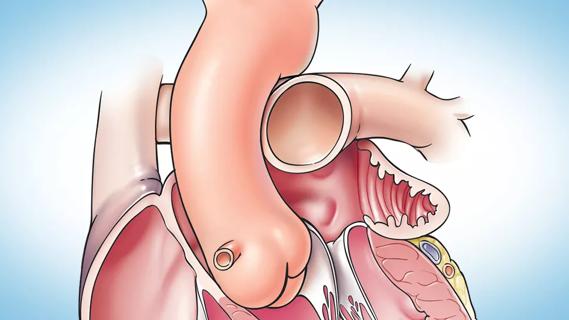
Concomitant AF ablation and LAA occlusion strongly endorsed during elective heart surgery
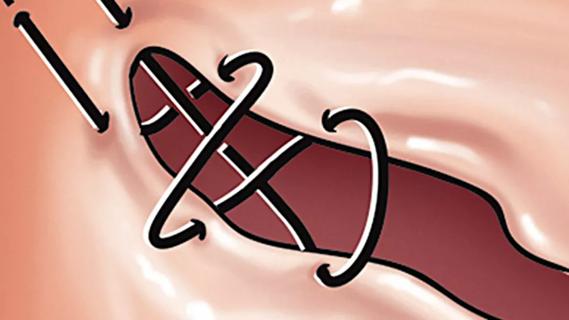
Large retrospective study supports its addition to BAV repair toolbox at expert centers
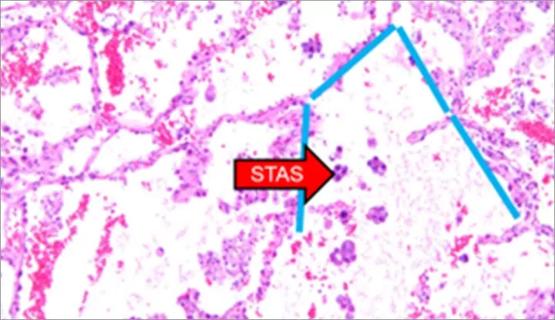
Young age, solid tumor, high uptake on PET and KRAS mutation signal risk, suggest need for lobectomy
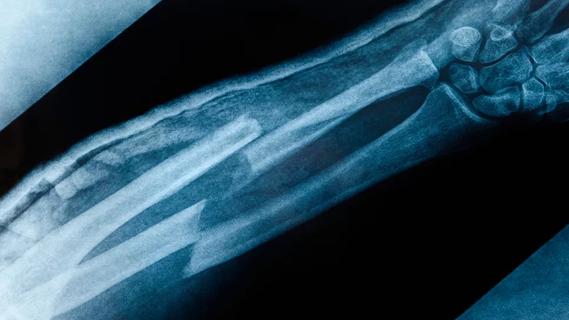
Surprise findings argue for caution about testosterone use in men at risk for fracture
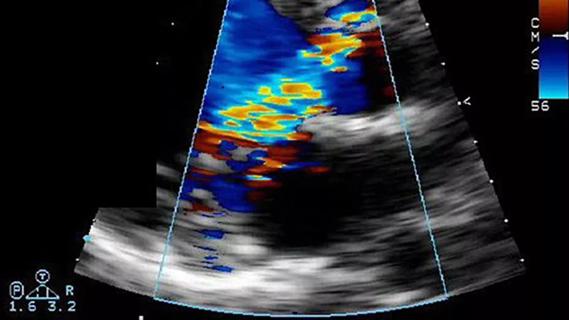
Residual AR related to severe preoperative AR increases risk of progression, need for reoperation

Findings support emphasis on markers of frailty related to, but not dependent on, age
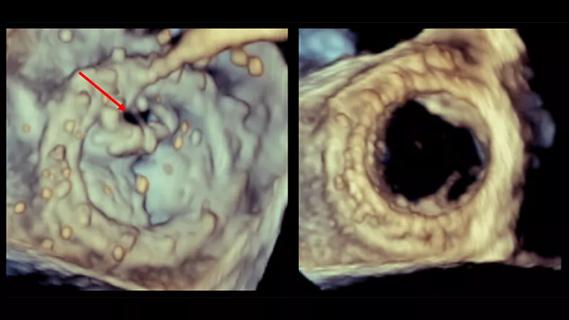
Provides option for patients previously deemed anatomically unsuitable
 Search