Locations:





U.S. AG’s Award recognizes model now being replicated nationwide
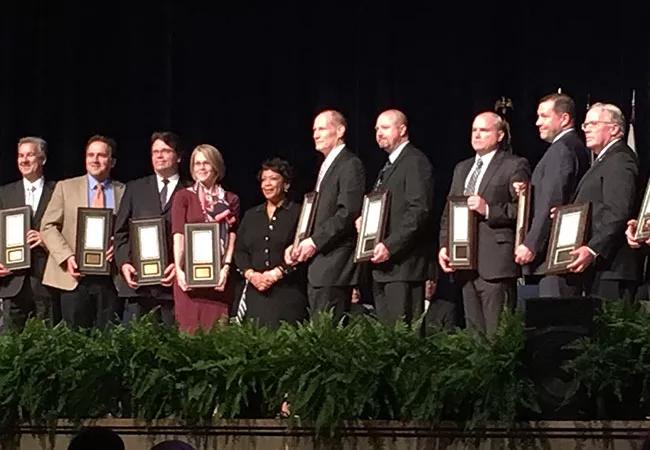
Image content: This image is available to view online.
View image online (https://assets.clevelandclinic.org/transform/83bf5551-9a98-4840-aa05-a4385330f1df/16-NEU-2604-Doj-650x450_jpg)
16-neu-2604-doj-650×450
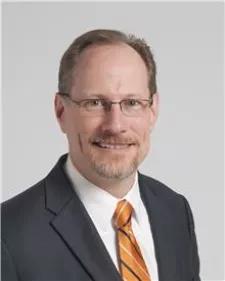
Image content: This image is available to view online.
View image online (https://assets.clevelandclinic.org/transform/202ad586-d524-4dc1-a356-4e471d7540af/Jason-Jerry_jpg)
Jason Jerry, MD
Advertisement
Cleveland Clinic is a non-profit academic medical center. Advertising on our site helps support our mission. We do not endorse non-Cleveland Clinic products or services. Policy
Members of the U.S. Attorney’s Northeast Ohio Heroin and Opioid Task Force — including Cleveland Clinic addiction psychiatrist Jason Jerry, MD — have been granted the U.S. Attorney General’s Award, the most prestigious honor given by the federal Department of Justice, for their work combating opioid addiction in greater Cleveland.
They accepted the award in Washington, D.C., on Nov. 10 from Attorney General Loretta Lynch, fifth from the left in the photo above (Dr. Jerry is next to her, sixth from the left).
Dr. Jerry, a specialist in addiction and recovery, has been involved with the Northeast Ohio Heroin and Opioid Task Force since its formation in 2013 to address the region’s significant opioid addiction epidemic. His roles have included service as chairman of its treatment subcommittee.
The task force focuses on solutions to the epidemic from four perspectives — law enforcement, education and prevention, healthcare policy, and treatment. Task force members include law enforcement officials, physicians and other treatment professionals, people in recovery, judges, public health professionals, educators and others.
“It’s great to see the task force be recognized for all the hard work that’s been devoted to this effort,” says Dr. Jerry. “We still have a long way to go, but our work thus far is important and is being replicated by other U.S. Attorney’s offices around the country. We understand the model of our task force is being called the ‘Cleveland Model’.”
The award — known in full as the U.S. Attorney General’s Award for Outstanding Community Partnerships for Public Safety — recognizes achievement in the development and support of community partnerships designed to address public safety within a community.
Advertisement
Specific accomplishments of the Northeast Ohio Heroin and Opioid Task Force that contributed to the recognition include:
“It is easy to become discouraged about the wave of death and pain that opioids and heroin bring to our community,” says U.S. Attorney Carole Rendon, who chairs the task force. “But I know the incredible efforts of all the members of this team make a difference on a daily basis. This approach has become a national model.”
Advertisement
Advertisement
New study advances understanding of patient-defined goals
Testing options and therapies are expanding for this poorly understood sleep disorder
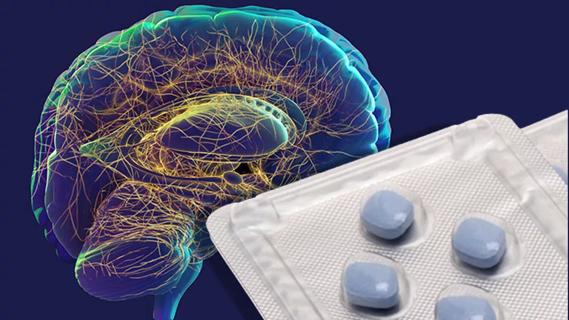
Real-world claims data and tissue culture studies set the stage for randomized clinical testing
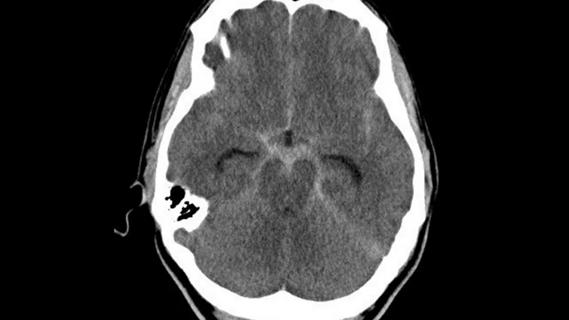
Digital subtraction angiography remains central to assessment of ‘benign’ PMSAH

Cleveland Clinic neuromuscular specialist shares insights on AI in his field and beyond
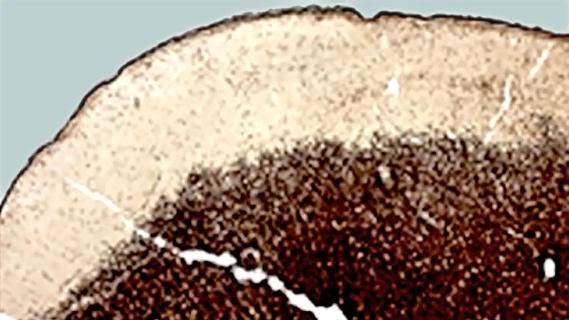
Findings challenge dogma that microglia are exclusively destructive regardless of location in brain

Neurology is especially well positioned for opportunities to enhance clinical care and medical training
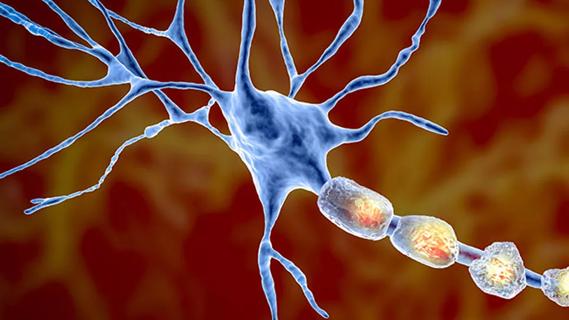
New review distills insights from studies over the past decade
 Search