Locations:





Multimedia timeline showcases half-century of immense progress
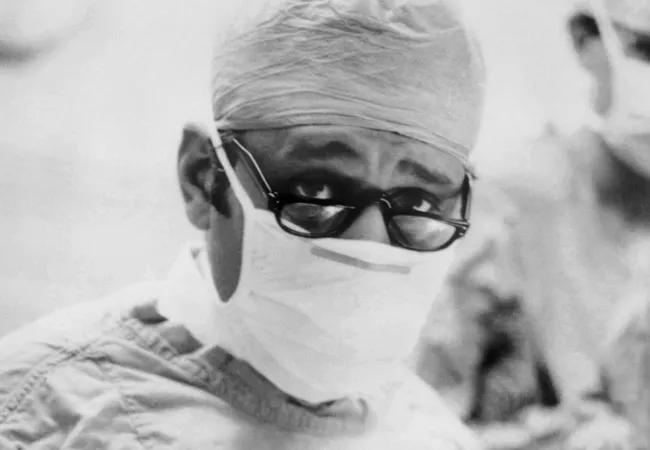
Image content: This image is available to view online.
View image online (https://assets.clevelandclinic.org/transform/b4c1fba9-2235-45a2-a051-a273e0272818/17-HRT-3970-NYT-CQD_jpg)
The iconic surgical photo of Dr. Favaloro featured on the cover of this CME brochure.
1967 was a watershed year in more than just pop culture. In addition to witnessing the “Summer of Love” and the release of Sgt. Pepper’s, 1967 proved to be a landmark date in cardiovascular practice, as it saw the world’s first heart transplant and the development of modern coronary bypass surgery.
Advertisement
Cleveland Clinic is a non-profit academic medical center. Advertising on our site helps support our mission. We do not endorse non-Cleveland Clinic products or services. Policy
That’s why that date 50 years ago was chosen as the starting point for “The Beat Goes On: 50 Years of Heart Health,” a new multimedia timeline created by T Brand Studio in partnership with Cleveland Clinic. Its goal is to educate about how dramatically heart care has advanced in the past half-century — and point to where it’s likely headed in the half-century ahead.
“Fifty years ago, modern coronary artery bypass surgery and the first heart transplant changed the course of heart care,” notes Lars Svensson, MD, PhD, Chairman of Cleveland Clinic’s Miller Family Heart & Vascular Institute, in the timeline. “Since then, multiple breakthroughs have considerably reduced the risk of heart disease and expanded the options for its treatment.”
The timeline walks viewers through many of those breakthroughs — from the first heart valve replacements and first artificial heart to the arrival of statins, the invention of ventricular-assist devices, the development of transcatheter aortic valve replacement and more.
Cleveland Clinic’s contributions to these advancements are noted along the way where applicable, such as the establishment of modern CABG surgery by Dr. Rene Favaloro (shown above) in 1967, the pioneering of minimally invasive heart surgery in the 1990s and groundbreaking insights on links between gut microbes and heart health in the current decade.
Timeline developments are complemented by links to The New York Times’ contemporary coverage of the advancements via the newspaper’s TimesMachine digital archives tool, and occasional videos throughout provide big-picture context.
Advertisement
Though consumers are the primary audience, the multimedia project has plenty to offer healthcare providers too — especially those with a penchant for medical history. Check out the timeline here today.
Advertisement
Advertisement
A sampling of outcome and volume data from our Heart & Vascular Institute
Concomitant AF ablation and LAA occlusion strongly endorsed during elective heart surgery
Large retrospective study supports its addition to BAV repair toolbox at expert centers
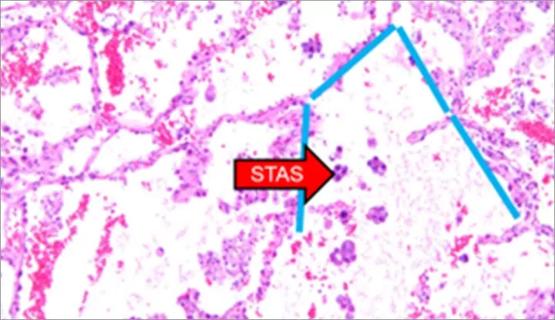
Young age, solid tumor, high uptake on PET and KRAS mutation signal risk, suggest need for lobectomy
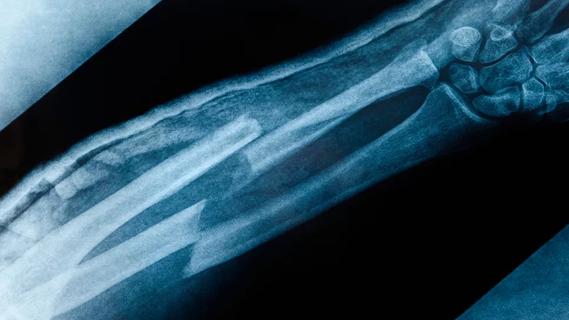
Surprise findings argue for caution about testosterone use in men at risk for fracture
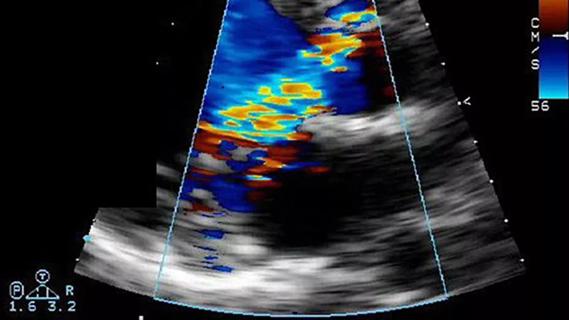
Residual AR related to severe preoperative AR increases risk of progression, need for reoperation

Findings support emphasis on markers of frailty related to, but not dependent on, age
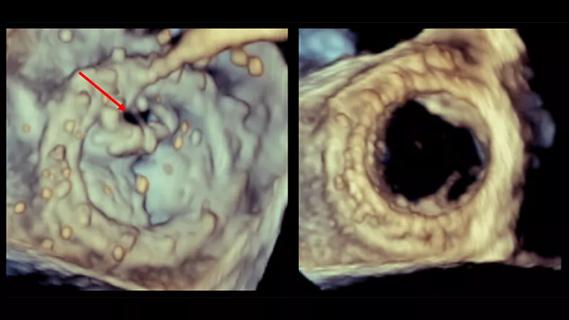
Provides option for patients previously deemed anatomically unsuitable
 Search