Locations:





 Search
Modifications restore gut bacteria symbiosis
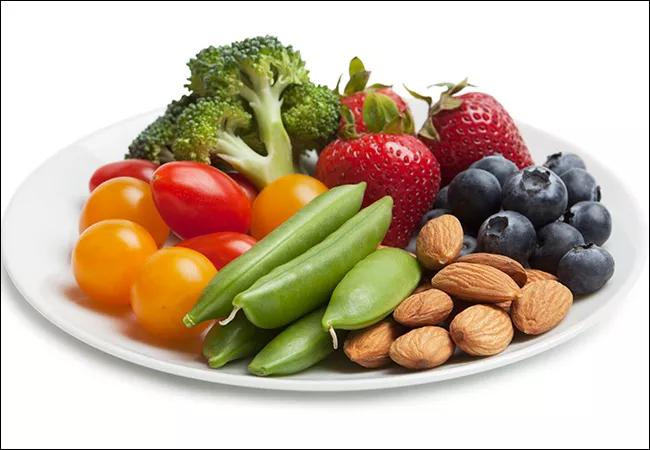
Image content: This image is available to view online.
View image online (https://assets.clevelandclinic.org/transform/0a636c7b-9c83-4cdc-bca3-4c74ca7cb39d/650x450-Kalahasti-diet_jpg)
650×450-kalahasti-diet
Diet modifications aimed at restoring and sustaining beneficial gut mycobacterial flora can improve clinical results in patients with chronic kidney disease (CKD), says Cleveland Clinic Glickman Urological & Kidney Institute nephrologist Priya Kalahasti, MD.
Advertisement
Cleveland Clinic is a non-profit academic medical center. Advertising on our site helps support our mission. We do not endorse non-Cleveland Clinic products or services. Policy
The human gut is home to a complex ecosystem of host cells and bacteria coexisting in a balanced, symbiotic relationship in healthy individuals, Dr. Kalahasti says. The bacteria of the gut microbiome help extract energy from food, produce essential nutrients, and play a role in metabolism and immune response.
Characteristic variations in the predominant gut bacterial species, known as enterotypes, can influence an individual’s processing of food, response to medications and predisposition to certain diseases.
Research shows that CKD alters the gut microbiome by dysbiosis. This results in increased amounts of urease- and P-creosol-producing bacteria; slower gut transit times; increased uric acid and oxalate; increased ammonia amounts and higher conversion to ammonium hydroxide, which elevates colonic pH and causes intestinal damage; and systemic circulation of inflammation-causing nephrotoxins that may lead to CKD progression.
A Western diet high in processed foods, fat and sugars and lacking in grains, fiber, fruit and vegetables further compounds dysbiosis.
“Your microbiome is what you eat,” Dr. Kalahasti says. “The gut is the first line of defense in your body. The gut microbiome is the gatekeeper of any inflammatory response, and food seems to be a major altering factor, either in up- or down-regulation.”
By encouraging her CKD patients to make gradual diet modifications intended to restore gut microbiome symbiosis — reducing animal-based protein intake; increasing consumption of beans, vegetables and nuts; adding probiotics such as from fermented foods; periodically fasting to rest the gut — Dr. Kalahasti says she has seen improvements in patients’ lab test values.
Advertisement
“The changes I have seen are reduction in serum creatinine, improvement in glomerular filtration rate, and changes in 24-hour creatinine,” she says. “One particular patient had almost a reversal in her serum creatinine. It went from 2.0 mg/dL to 1.0 mg/dL and she was discharged from our CKD clinic.
“I don’t make radical diet changes,” Dr. Kalahasti says, noting that she employs the principles of Ayurveda, a holistic healing system developed in India that emphasizes moderation of food intake as a way of maintaining health. “You want something that’s long-term and sustainable, because kidney disease is a chronic condition. The recommendations I give my CKD patients are applicable for any chronic disease.”
Dr. Kalahasti plans to conduct prospective research to systematically assess the impact of dietary modifications on CKD.
A video of Dr. Kalahasti’s grand rounds presentation about CKD and dietary changes is available here.
Advertisement
Advertisement

Clinicians should individualize dosing practices based on patient risk factors and preferences
Pioneering and refining the approach in pyeloplasty, nephrectomy and more
Fully-automated process uses preop CT, baseline GFR to estimate post-nephrectomy renal function
Could mean earlier treatment, but also could have negative effects

Unlike earlier pills, new drugs do not cause liver toxicity
Male factors play a role in about half of all infertility cases, yet men often are not evaluated
Surgeons choreograph nearly simultaneous procedures, sharing one robot between two patients

Identifying barriers in the renal genetic assessment of Black patients