Locations:





Screened candidates show more patients with acquired UFI

Image content: This image is available to view online.
View image online (https://assets.clevelandclinic.org/transform/bdaead0c-facf-488a-8279-95c435f0bfee/16-OBG-2127-ASRM-Twitter-CQD_jpg)
16-obg-2127-asrm-twitter-cqd
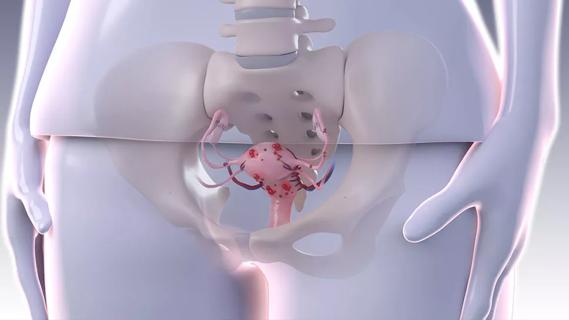
Uterine transplantation is a novel treatment for uterine factor infertility (UFI), which has currently reached its clinical experimental stages at several institutions, demonstrating significant potential as a viable option for women with UFI. Globally, the condition affects nearly 1.5 million women.
Advertisement
Cleveland Clinic is a non-profit academic medical center. Advertising on our site helps support our mission. We do not endorse non-Cleveland Clinic products or services. Policy
A team from Cleveland Clinic recently evaluated the demographic characteristics of women with UFI who were seeking more information on uterine transplantation in a clinical study presented by Rebecca Flyckt, MD, at the American Society for Reproductive Medicine 2016 Scientific Congress & Expo in Salt Lake City, Utah.
The study included 239 women who were screened as candidates for a uterine transplantation clinical trial at Cleveland Clinic. The mean age was 31 years. Thirty two percent had UFI secondary to Mayer-Rokitansky-Kuster-Hauser (MKRH) syndrome versus 64 percent with acquired UFI secondary to prior hysterectomy. The mean age in the MRKH group was 28 versus 33 in the acquired UFI group. Fifteen percent of patients with MRKH had a single kidney. One applicant had an intersex diagnosis, one had androgen insensitivity syndrome, and five applicants were male to female transgender (2 percent). These applicants are not currently eligible for this clinical trial.
The screened individuals represent various age groups, medical backgrounds, as well as religious and social situations. The most common cause for looking into uterine transplantation was previous hysterectomy, with indications for surgery including:
The greater number of patients with acquired versus congenital UFI in the screened population was unexpected, as was the fact that half of prior hysterectomies were for non-oncologic and non-obstetrical indications. This high number of benign hysterectomies in the study raises concerns regarding the frequency of hysterectomy in reproductive aged women (who may later regret the procedure) in the United States.
Advertisement
“Uterine transplantation is a rapidly evolving surgery for a previous incurable form of infertility,” Dr. Flyckt says. “And there is a widespread interest in developing this technique both for patients with UFI and also for surgical teams treating UFI (in the U.S. and around the world). However, at present, we’re still in the early stages of many clinical trials and more data is needed to evaluate the safety and feasibility of this promising technique.”
Careful consideration and screening of candidates including medical, surgical, social and cultural histories is a prerequisite to a successful transplant protocol.
“Physicians interested in uterine transplant for UFI need to understand that this is a complex undertaking, requiring the coordinated actions of a strong interdisciplinary team, including transplant surgeons, reproductive surgeons, fertility and high-risk pregnancy specialists, bioethics, social work, psychiatry, anesthesia and others,” Dr. Flyckt says. “At present, this should only be undertaken at an academic center under an IRB-approved clinical trial.”
Advertisement
Advertisement

Counseling and careful surgical considerations are key

Deprivation is linked to impaired glucose intolerance and racial disparities

Perioperative prophylaxis and class III obesity

Artesunate ointment is safe well and tolerated patients with vulvar intraepithelial neoplasia
Endoscopic balloon dilation during pregnancy helps optimize outcomes

Researchers examine waste and implore colleagues to take action

Mode of delivery does not affect patient satisfaction
 Search