Locations:





Superlative care, world-renowned team

Image content: This image is available to view online.
View image online (https://assets.clevelandclinic.org/transform/c775a86f-d8c2-4a2f-ac83-52ddf473ced2/16-DDI-227-Florida-CQD-650x450_jpg)
16-DDI-227-Florida-CQD-650×450
By Steven Wexner, MD, PhD (Hon)
Advertisement
Cleveland Clinic is a non-profit academic medical center. Advertising on our site helps support our mission. We do not endorse non-Cleveland Clinic products or services. Policy
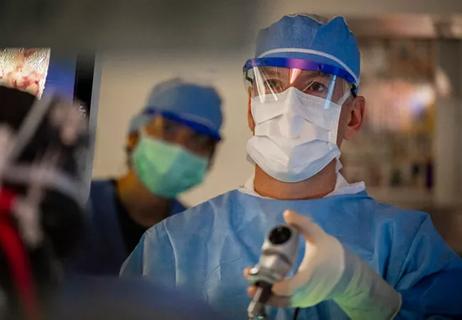
Cleveland Clinic Florida’s Digestive Disease Center experts provide the most advanced treatments for disorders related to the gastrointestinal tract. Here’s a quick look at what we can offer your patients.
A comprehensive program, led by internationally renowned transplant surgeon Andreas Tzakis, MD, PhD, offers shorter wait times because of the region in which it is located and performs complex cases, including living donor transplantation.
A designated Center of Excellence by the American College of Surgeons with a world-renowned reputation for excellent outcomes using innovative treatment modalities for patients with severe obesity and metabolic syndrome.
Advertisement
Internationally acclaimed team led by Steven Wexner, MD, PhD (Hon), treats diseases of the colon, rectum and anus. Dr. Wexner and his team pioneered advances in rectal cancer, mucosal ulcerative colitis (MUC), familial adenomatous polyposis, Crohn’s disease (CD), fecal incontinence and minimally invasive surgery.
Utilizing innovative diagnostic tools and treatments, such as endoscopic ultrasound with fine needle aspiration, SpyGlass® technology and ablative techniques such as cryotherapy for Barrett’s esophagus, a team of nine gastroenterologists is led by Roger Charles, MD.
Diagnoses and treats diseases affecting the upper GI tract, abdominal wall and breast.
Advertisement
Advertisement

Strong patient communication can help clinicians choose the best treatment option
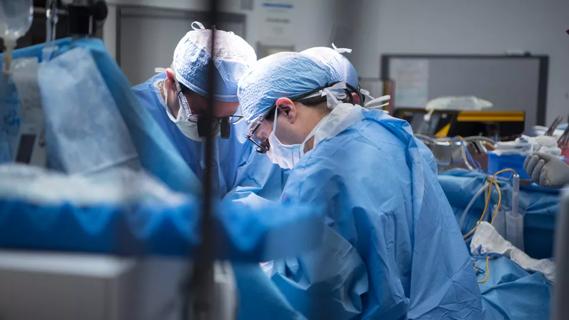
ctDNA should be incorporated into care to help stratify risk pre-operatively and for post-operative surveillance

The importance of raising awareness and taking steps to mitigate these occurrences
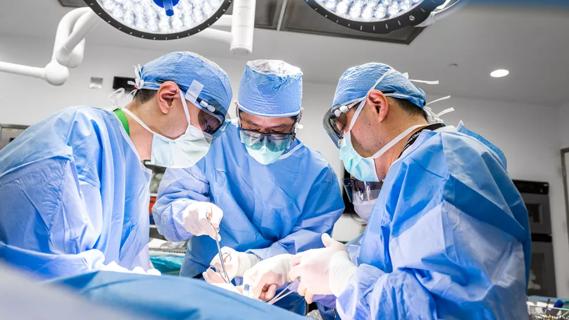
New research indicates feasibility and helps identify which patients could benefit
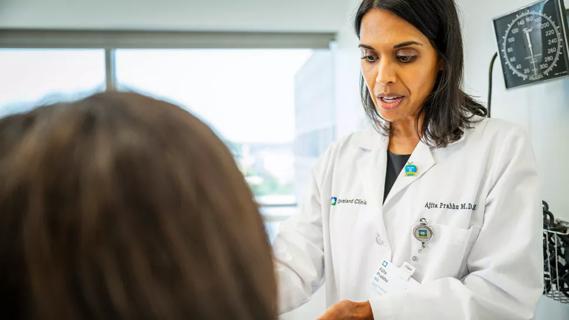
Treating a patient after a complicated hernia repair led to surgical complications and chronic pain
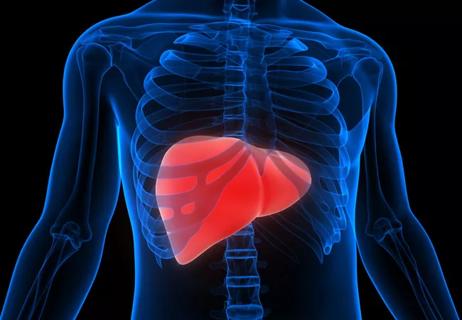
Standardized and collaborative care improves liver transplantations
Fewer incisions and more control for surgeons

Caregiver collaboration and patient education remain critical
 Search