Locations:
Search IconSearch

Critical Limb Ischemia: A Look-Back at a Year of Abundant Insights (Video)

Dr. Mehdi Shishehbor surveys some 2016 papers not to miss
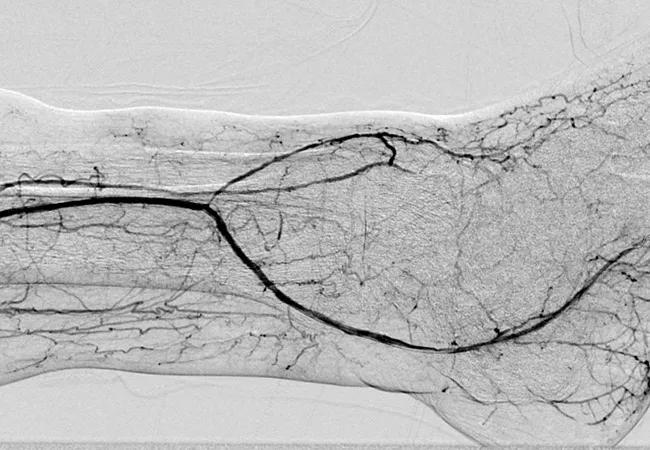
Critical Limb Ischemia: A Look-Back at a Year of Abundant Insights (Video)

2016 was a highly active year for research in critical limb ischemia (CLI), particularly for CLI expert Mehdi Shishehbor, DO, MPH, PhD, Director of Endovascular Services at Cleveland Clinic.

Advertisement

Cleveland Clinic is a non-profit academic medical center. Advertising on our site helps support our mission. We do not endorse non-Cleveland Clinic products or services. Policy

Dr. Shishehbor led teams that generated the following over the past year:

  • A comprehensive analysis of a nationwide sample of nearly 650,000 hospitalized patients with CLI from 2003 to 2011. The paper, published in the Journal of the American College of Cardiology (and recapped here), outlined an abundance of trends in CLI management, including the fact that the decline in CLI surgeries is balanced by a rise in endovascular procedures for CLI.

  • A substudy of the IN.PACT DEEP randomized trial suggesting that currently recommended hemodynamic measurements for diagnosing CLI fall short too often and should be supplemented by the more sensitive measure of toe pressure. The paper was published in the Journal of Vascular Surgery and recapped in this post.

  • A retrospective analysis of CLI patients treated with endovascular therapy showing that most readmissions occur between 30 and 180 days after endovascular therapy for nonprocedural reasons and that unhealed wounds are independently associated with readmission. The study was published in the Journal of the American Heart Association.

  • A retrospective study of CLI patients undergoing endovascular revascularization that focused on how time to wound healing impacts outcomes. The resulting paper in Annals of Vascular Surgery concluded that would healing should be achieved within three months to reduce risk of major amputation and within four months to reduce risk of major adverse limb events.

  • An “expert statement” on CLI published in the Journal of the American College of Cardiology (JACC) that provides a state-of-the-art review of diagnostic assessment and analysis, endovascular versus open surgical treatment, regenerative and adjunctive therapies, and more.

Advertisement

In the two-minute video below, Dr. Shishehbor shares some takeaways from these emerging insights into CLI management, including the necessity of a truly multidisciplinary approach to care.

If you’d like a deeper dive into CLI care, check out this 20-minute video lecture by Dr. Shishehbor on the portion of his JACC expert statement devoted to post-revascularization management after intervention for CLI.

Advertisement

Related Articles

19-HRT-6507 Vitals-650×450
Rani duplicate post Check Out These Outcomes

A sampling of outcome and volume data from our Heart & Vascular Institute
illustration of the human heart focused on the left atrial appendage
Takeaways From Updated STS Guidelines for Surgical Treatment of Atrial Fibrillation

Concomitant AF ablation and LAA occlusion strongly endorsed during elective heart surgery
illustration of a figure-of-8 stitch for aortic valve repair
Figure-of-8, Hitch-Up Stitch Is Safe and Durable in Bicuspid Aortic Valve Repair

Large retrospective study supports its addition to BAV repair toolbox at expert centers
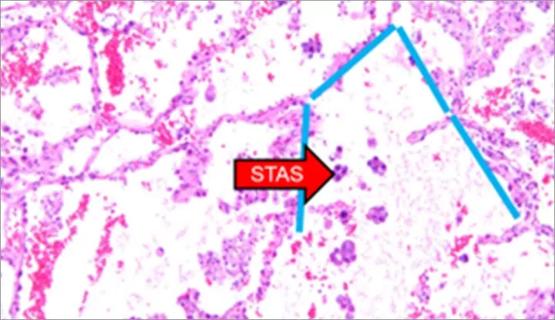
histology image of lung tissue showing spread through air spaces (STAS)
Lung Cancer Study Links Preoperative Factors With Spread Through Air Spaces

Young age, solid tumor, high uptake on PET and KRAS mutation signal risk, suggest need for lobectomy
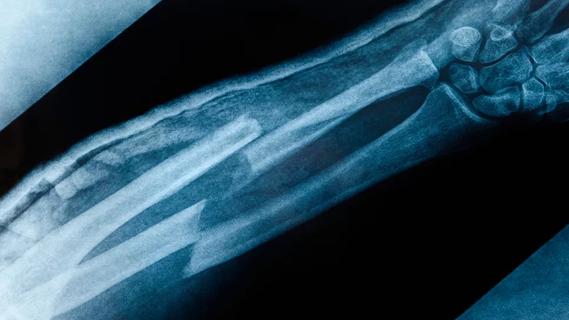
x-ray of bone fracture in a forearm
TRAVERSE Substudy Links Testosterone Therapy to Increased Fracture Risk in Older Men With Hypogonadism

Surprise findings argue for caution about testosterone use in men at risk for fracture
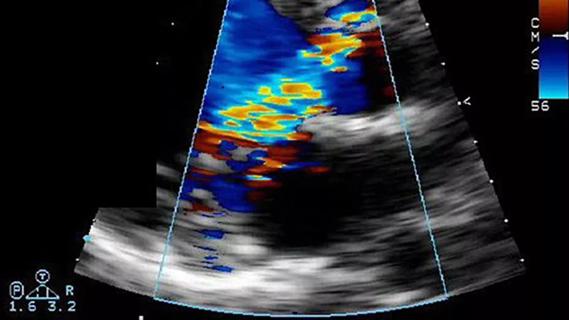
echocardiogram showing severe aortic regurgitation
Early Referral for Enlarged Roots Critical to Prevent Residual AR After Aortic Root Replacement With Valve Reimplantation

Residual AR related to severe preoperative AR increases risk of progression, need for reoperation

photo of intubated elderly woman in hospital bed
Proteomic Study Characterizes Markers of Frailty in Cardiovascular Disease and Their Links to Outcomes

Findings support emphasis on markers of frailty related to, but not dependent on, age
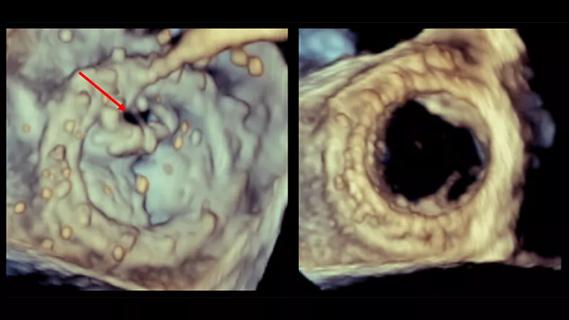
3D transesophageal echocardiographic images
New Leaflet Modification Technique Curbs LVOT Obstruction Risk in Valve-in-Valve TMVR

Provides option for patients previously deemed anatomically unsuitable

Ad