Locations:





Transitional surgical clinic includes pediatric and adult specialists

Image content: This image is available to view online.
View image online (https://assets.clevelandclinic.org/transform/3d7f75a3-671b-4010-8bde-0552e5035646/20-DDI-104-DeRoss-Lipman-CQD_jpg)
20-DDI-104-DeRoss-Lipman-CQD
By Anthony DeRoss, MD, and Jeremy Lipman, MD
Advertisement
Cleveland Clinic is a non-profit academic medical center. Advertising on our site helps support our mission. We do not endorse non-Cleveland Clinic products or services. Policy
A 13-year-old female with multifocal stricturing Crohn’s disease was referred to our Pediatric & Adult Colorectal Surgery Clinic after failing medical treatment. Her symptoms included abdominal pain, loose stool and significant weight loss, with weight below the first percentile for age and height. After diagnosis via CT, endoscopy and biopsy, her physicians started her on adalimumab, but her nausea and vomiting became worse.
After seeing her in our clinic, we ordered an MRI, which showed multiple areas of segmental small bowel stricture and dilation. We considered stricturoplasty, segmental resection, diverting jejunostomy, total parental nutrition, and whether any surgical options should proceed laparoscopically or with an open approach. Factors including her overall nutritional status, use of biologic immunosuppressive medications and steroid use were considered in the operative strategic planning.
We decided to perform the operation laparoscopically. The two strictures were each long but separated by a significant portion of small bowel that was dilated but otherwise appeared healthy. We performed two separate resections of the long strictures with stapled anastomosis. We expanded our umbilical excision to extract the specimens.
Her recovery was prolonged which we anticipated as a possibility given her chronic, partial small bowel obstruction. At one point we were concerned for anastomotic leak due to imaging findings of pneumoperitoneum and ascites, but her anastomosis ultimately proved to be intact.
Advertisement
Patients with inflammatory bowel disease (IBD), chronic obstruction and malnutrition can be difficult to manage and sometimes develop postoperative ileus and ascites. Our team has established a very low threshold to evaluate for anastomotic leak. It is safer to evaluate sooner rather than later when anastomotic leak is suspected, either clinically with imaging or with surgical exploration. Diverting ostomy should be considered preoperatively in cases where patients are at high risk for poor healing. Such decisions are often a judgment call and can differ between surgeons. Regardless of the final plan, careful preoperative discussion with patient and family of the rationale, options, expectations and contingency plans is paramount.
For cases like this patient’s, it is preferable that the patient meet us for the first time before surgery is urgently needed. We want to help them make an informed decision about biologic therapy and surgery before they have failed all other options. This approach tends to make the surgical and treatment experience better tolerated and not as frightening, even among our patients who end up receiving a stoma.
As patients transition to adulthood, our team of pediatric and adult surgeons works together to ensure continuity of care, especially in patients like this one, whose disease may require multiple surgeries throughout her lifetime. Many patients also struggle with medication adherence in their college years, when they are no longer seen by their pediatric specialist but have not established with an adult gastroenterologist. Our combined Pediatric and Adult Colorectal Surgery Clinic unites gastroenterologists and colorectal surgeons from Cleveland Clinic Digestive Disease & Surgery Institute with pediatric gastroenterologists and surgeons from Cleveland Clinic Children’s for patients of all ages with chronic diseases.
Advertisement
The surgical team accepts children, teens and young adults, up to age 21, with a diagnosed colorectal disease such as ulcerative colitis, Crohn’s disease and rectal prolapse. Patients with unexplained rectal bleeding and signs of IBD, such as unexplained weight loss, fatigue, abdominal pain, bloody stool and diarrhea are recommended to first see a gastroenterologist. Patients will receive a coordinated schedule of visits with pediatric/adult gastroenterology, pediatric surgery, adult colorectal surgery, nutrition and psychology.
An experienced pediatric nurse is available through the referral line — 216.444.8555 — to answer questions from referring physicians and to triage patients to the appropriate specialist.
Dr. DeRoss, pediatric general surgeon, and Dr. Lipman, colorectal surgeon, codirect the Clinic.
Advertisement
Advertisement

Strong patient communication can help clinicians choose the best treatment option
ctDNA should be incorporated into care to help stratify risk pre-operatively and for post-operative surveillance

The importance of raising awareness and taking steps to mitigate these occurrences
New research indicates feasibility and helps identify which patients could benefit

Treating a patient after a complicated hernia repair led to surgical complications and chronic pain
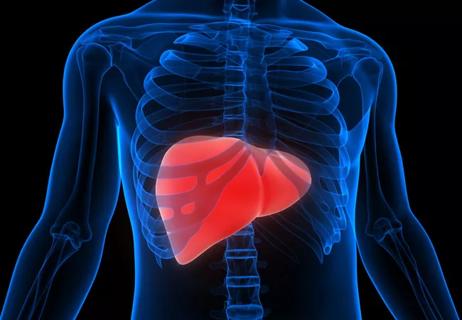
Standardized and collaborative care improves liver transplantations
Fewer incisions and more control for surgeons

Caregiver collaboration and patient education remain critical
 Search