Locations:





Cleveland Clinic cardiologist shares key takeaways
Few studies are likely to make cardiovascular specialists as proud of their discipline as the large and comprehensive analysis of the Myocardial Ischemia National Audit Project (MINAP) database just presented by UK researchers at this year’s European Society of Cardiology meeting and published online by JAMA.
Advertisement
Cleveland Clinic is a non-profit academic medical center. Advertising on our site helps support our mission. We do not endorse non-Cleveland Clinic products or services. Policy
The analysis is gratifying because it shows that the steady but unglamorous work of incorporating proven therapies into practice in accordance with guidelines really does improve outcomes and save patient lives over time. An accompanying editorial in JAMA calls the study “a success story of ‘bench to bedside’ translation.”
The investigation, a prospective cohort analysis of 389,000 patients with non-ST-elevation myocardial infarction (NSTEMI) in 247 hospitals in England and Wales from 2003 to 2013, found that patients’ clinical risk decreased over the 10-year study period while use of guideline-prescribed care increased.
Most notably, the significant reduction in six-month all-cause mortality — from 10.8 percent in 2003-2004 to 7.6 percent in 2012-2013 — was associated with increased use of an invasive coronary strategy — defined as coronary angiography, PCI or CABG — over time. In fact, about 88 percent of the survival gain was associated with increased use of the invasive coronary strategy and only about 10 percent was attributable to pharmacotherapies.
In this short video, Cleveland Clinic cardiologist Haitham Ahmed, MD, MPH, who was not involved in the study, shares perspectives on the study’s implications for practice and future research.
Video content: This video is available to watch online.
View video online (https://www.youtube.com/embed/0b4bbDG476o?feature=oembed)
Advertisement
Advertisement
A sampling of outcome and volume data from our Heart & Vascular Institute
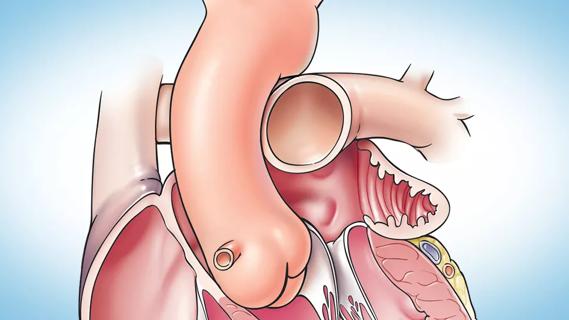
Concomitant AF ablation and LAA occlusion strongly endorsed during elective heart surgery
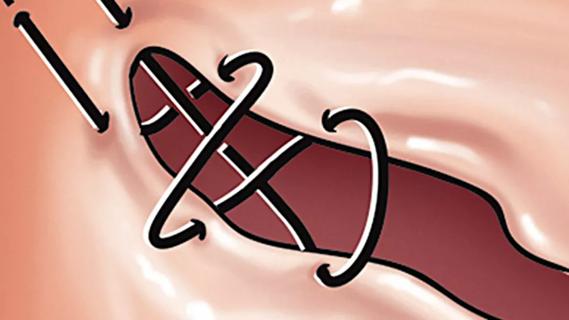
Large retrospective study supports its addition to BAV repair toolbox at expert centers
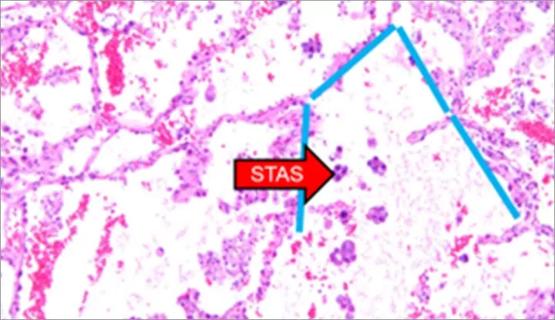
Young age, solid tumor, high uptake on PET and KRAS mutation signal risk, suggest need for lobectomy
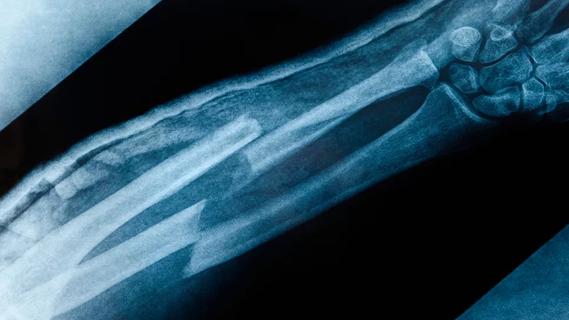
Surprise findings argue for caution about testosterone use in men at risk for fracture
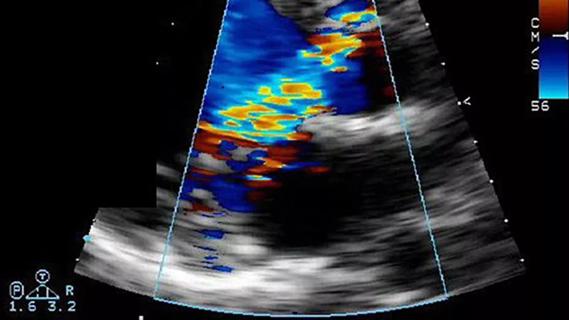
Residual AR related to severe preoperative AR increases risk of progression, need for reoperation

Findings support emphasis on markers of frailty related to, but not dependent on, age
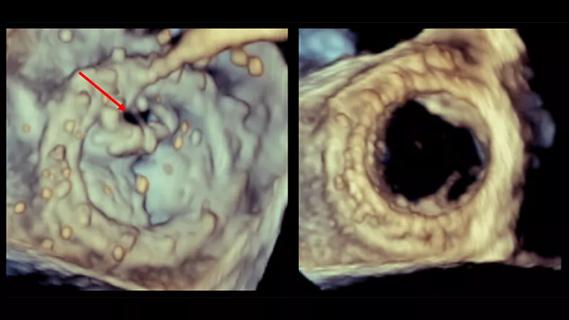
Provides option for patients previously deemed anatomically unsuitable
 Search