Locations:





Behavioral therapy can help calm pain-processing center
When treating chronic back pain, don’t overlook the patient’s own brain as a therapeutic tool. Behavioral intervention works alongside injections, surgery, pain medication and physical therapy.
Advertisement
Cleveland Clinic is a non-profit academic medical center. Advertising on our site helps support our mission. We do not endorse non-Cleveland Clinic products or services. Policy
One or two pain psychology sessions early on may be all some patients need to reduce pain before it becomes disabling, says pain psychologist Sara Davin, PsyD, MPH, Director of the Center for Comprehensive Pain Recovery in Cleveland Clinic’s Neurological Institute.
She and Kush Goyal, MD, a physical medicine and rehabilitation specialist in Cleveland Clinic’s Center for Spine Health, explain more about managing the complexities of chronic back pain in the newest episode of Cleveland Clinic’s peer-to-peer Neuro Pathways podcast. Their discussion touches on:
Click the player below to hear the 17-minute podcast, or read on for a short edited excerpt. Check out more Neuro Pathways episodes at clevelandclinic.org/neuropodcast or wherever you get your podcasts.
Podcast content: This podcast is available to listen to online.
Listen to podcast online (https://www.buzzsprout.com/2243576/13534580)
Dr. Goyal: There are different forms of pain. But a lot of pain gets amplified by how much you think about it. Some patients even obsess about it. We educate patients on ways of living with pain without focusing on it so much. That surprisingly and very effectively can help improve their function.
Dr. Davin: What does success look like? I think about patients coming back and telling me that they went on a trip somewhere with their family, and they’re smiling when they talk about it instead of being preoccupied by their pain. We focus on getting back to activities they stopped doing because of pain and ultimately experiencing joy and happiness. I teach patients that this is really the antidote to pain and can impact their pain-processing systems. They may not immediately feel 100% less pain. But if they continue to do this over time, you see that patients are more engaged in life and have a variety of life experiences. As they talk less about their pain, they often feel less physical discomfort.
Advertisement
Advertisement

New study advances understanding of patient-defined goals
Testing options and therapies are expanding for this poorly understood sleep disorder
Real-world claims data and tissue culture studies set the stage for randomized clinical testing
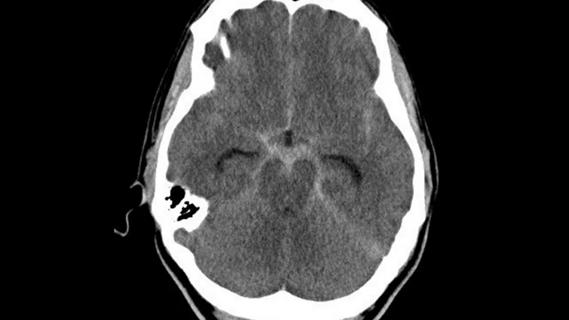
Digital subtraction angiography remains central to assessment of ‘benign’ PMSAH

Cleveland Clinic neuromuscular specialist shares insights on AI in his field and beyond

Findings challenge dogma that microglia are exclusively destructive regardless of location in brain
Neurology is especially well positioned for opportunities to enhance clinical care and medical training
New review distills insights from studies over the past decade
 Search