Locations:





Dr. Leonard Calabrese outlines a complex topic
Checkpoint inhibitor therapy for cancer holds great potential for durable response rates, but immune-related adverse events may be its Achilles’ heel. For the millions of individuals with immune-mediated inflammatory diseases (IMIDs), the safety of this therapy is especially in question. In this video, Leonard Calabrese, DO, Director of the RJ Fasenmyer Center for Clinical Immunology within the Department of Rheumatic and Immunologic Diseases, outlines the complexities of this therapy’s use in patients with IMIDs. The video is part of an editorial originally published in Annals of Internal Medicine.
Advertisement
Cleveland Clinic is a non-profit academic medical center. Advertising on our site helps support our mission. We do not endorse non-Cleveland Clinic products or services. Policy
Video content: This video is available to watch online.
View video online (https://www.youtube.com/embed/13oxAGoYXAA?feature=oembed)
Checkpoint Inhibitor Therapy for Patients with Immune-Mediated Inflammatory Diseases
“The development of checkpoint inhibitor cancer immunotherapy has been a great step forward for a wide variety of malignancies. This form of immunotherapy functions to reinvigorate an exhausted cell-mediated immune response, harnessing the specificity of the immune system to fight cancer. As a byproduct of this invigorated immune response are a wide variety of adverse events that we call ‘immune-related adverse events,’ and these have been suggested as the potential Achilles heel of this form of therapy.
One of the great questions moving forward is whether the tens of millions of people who have immune-mediated diseases to begin with — rheumatoid arthritis, psoriasis, Crohn’s disease, [multiple sclerosis] and others — are they candidates for checkpoint inhibitor therapy if and when they develop a malignancy? The reason that we do not know this is that they were censured from the original clinical trials…
While [researchers have] answered some questions regarding this difficult problem, there are many unanswered questions still out there. First of all, since there are tens of millions of people who may ultimately become candidates for checkpoint therapy, where are biomarkers right now and can we develop biomarkers to predict who will develop an [immune-related adverse event] and who won’t? Secondly, if patients require immunosuppressive therapy from the outset for their immunologic disease, will this negate the efficacy of the checkpoint inhibitor therapy for their cancer? Lastly, how will we collect these data and study these data?”
Advertisement
Advertisement

Treatment strategies require understanding of pathomechanisms
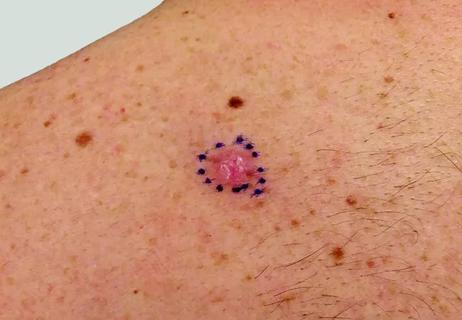
Education, prevention strategies and monitoring serves this at-risk group
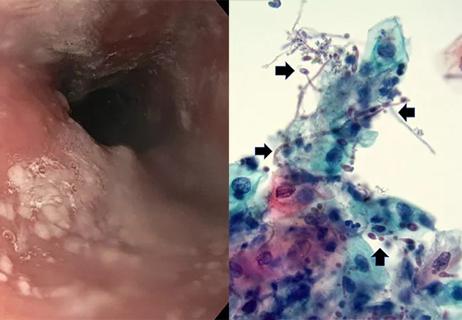
Treatment for scleroderma can sometimes cause esophageal symptoms

Lupus Clinic providers collaborate to advance treatment and understanding

Older Psoriasis Patients May Experience Quicker Transition

Cleveland Clinic’s Rheumatic Lung Disease program treats patients with complex conditions

Symptoms complement one another

E-coaching program is tailored for those with the disease
 Search