Locations:





Treating peripartum cardioyopathy with advanced therapies
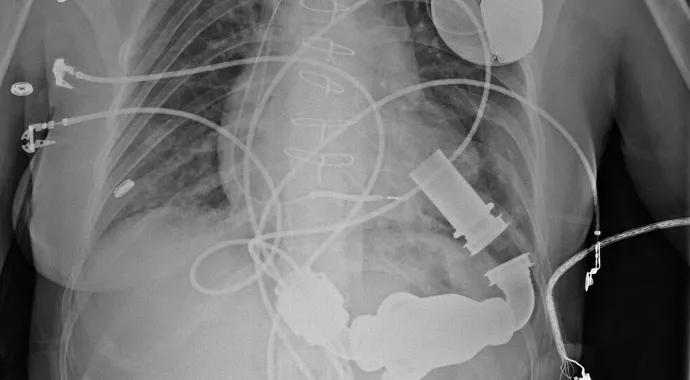
Image content: This image is available to view online.
View image online (https://assets.clevelandclinic.org/transform/54b0fffe-5467-49d3-bb6e-5011889d371b/LVAD_690x380_jpg)
LVAD_690x380
Maria Mountis, DO, and Nader Moazami, MD
Advertisement
Cleveland Clinic is a non-profit academic medical center. Advertising on our site helps support our mission. We do not endorse non-Cleveland Clinic products or services. Policy
A 27-year-old female, 10-weeks postpartum, with no personal or family history of heart failure, was transferred to Cleveland Clinic in cardiogenic shock, with an ejection fraction (EF) of 10 percent. Four weeks prior, she had developed progressive dyspnea on exertion, orthopnea and right upper quadrant pain. Initially diagnosed with cholecystitis, she became hypotensive during cholecystectomy and could not be extubated. She was transferred to another hospital, where she was started on Milrinone and an intra-aortic balloon pump (IABP) was placed before being transferred to Cleveland Clinic.
Upon her arrival in our Heart Failure Intensive Care Unit, her medications were adjusted, and she was extubated. Echocardiogram showed a mildly dilated left ventricle and good right-ventricle function. IABP was removed as it was ineffective in this case, and an Impella was placed with resolution of acute kidney and liver injuries and improvement of cardiac output.
Because of the patient’s young age and fairly rapid onset of a nonischemic cardiomyopathy, we implanted a HeartMate II LVAD as a bridge to recovery to give her the best chance of reversing her failing heart. Although her post-operative course was complicated, she was eventually discharged home and was able to resume work and motherhood. After one year, her EF had reached only 15-20 percent on small doses of evidence-based medications, which were limited due to relative hypotension. The patient also suffered from a chronic driveline infection on chronic antibiotic therapy. We decided to proceed with listing her for heart transplantation. She received a new heart in December 2013, 18 months after her initial admission, and is doing very well.
Advertisement
Peripartum cardiomyopathy should always be considered a differential diagnosis when a woman who is in her last trimester or who has recently delivered develops progressive dyspnea, edema and weight gain or right upper-quadrant fullness mimicking cholecystitis. About one-third of patients with peripartum cardiomyopathy will present with cardiogenic shock and should be immediately referred to a transplant center for treatment and evaluation for advanced heart failure therapies, such as mechanical circulatory support and heart transplantation.
The Cleveland Clinic is part of a multicenter trial using the HeartMate II left ventricular assist device, along with evidence based heart failure medications in patients diagnosed with nonischemic cardiomyopathy, to recover LV function. Patients who can tolerate high doses of medications and have favorable findings on echocardiography will then proceed to be weaned off their LVAD using echocardiographic data and hemodynamic guidance.
Advertisement
Advertisement
A sampling of outcome and volume data from our Heart & Vascular Institute
Concomitant AF ablation and LAA occlusion strongly endorsed during elective heart surgery
Large retrospective study supports its addition to BAV repair toolbox at expert centers
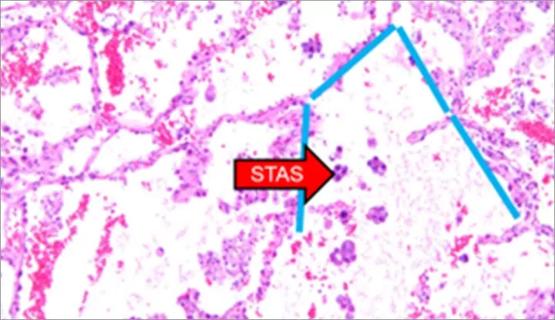
Young age, solid tumor, high uptake on PET and KRAS mutation signal risk, suggest need for lobectomy
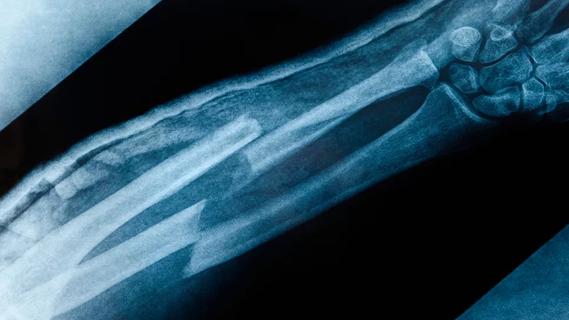
Surprise findings argue for caution about testosterone use in men at risk for fracture
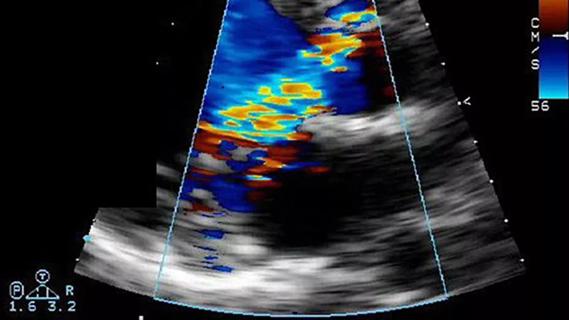
Residual AR related to severe preoperative AR increases risk of progression, need for reoperation
Findings support emphasis on markers of frailty related to, but not dependent on, age
Provides option for patients previously deemed anatomically unsuitable
 Search