Locations:





Multidisciplinary management resolves complex case
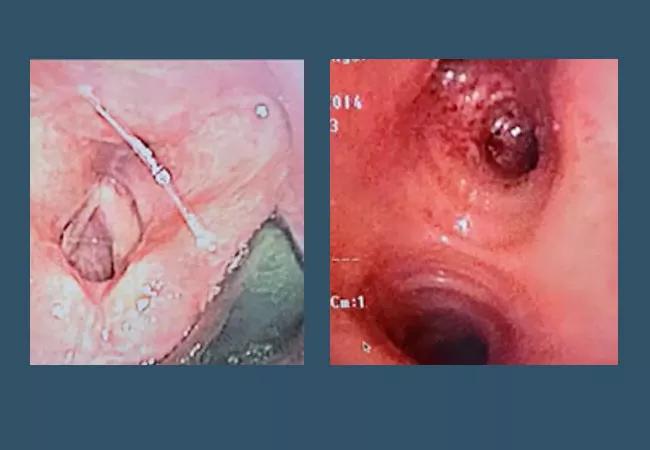
Image content: This image is available to view online.
View image online (https://assets.clevelandclinic.org/transform/4d58da7f-43c4-46ff-a62e-200368e5a519/21-RHE-2519425-GranulomatosisPolyangiitis-PersistentShortnessOfBreath-CQD_650x450_jpg)
21-RHE-2519425-GranulomatosisPolyangiitis-PersistentShortnessOfBreath-CQD_650x450
A 38-year-old male presented to an outside hospital with dry cough and shortness of breath, inflammatory polyarthritis, purpuric rash, chronic sinus congestion and pain, and ear pain and hearing loss. Computed tomography of his sinuses showed pansinusitis, and an otorhinolaryngology exam revealed otitis media. Audiologic testing demonstrated mixed hearing loss, and his laboratory tests showed elevated C-reactive protein and sedimentation rate as well as the presence of proteinase 3 anti-neutrophil cytoplasmic antibody.
Advertisement
Cleveland Clinic is a non-profit academic medical center. Advertising on our site helps support our mission. We do not endorse non-Cleveland Clinic products or services. Policy
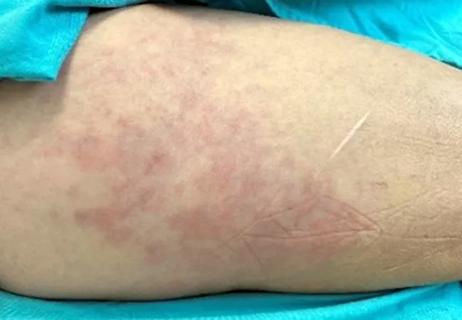
Computed tomography (CT) of the chest was normal, and a biopsy of his rash revealed leukocytoclastic vasculitis. He was diagnosed with granulomatosis with polyangiitis (GPA) affecting his sinuses, ears, skin and joints.
GPA is an antineutrophil cytoplasmic autoantibody (ANCA)-associated vasculitide disorder, characterized by systemic autoimmune small-vessel vasculitis. It can affect the lungs, kidneys, airway and sinonasal regions. Despite many advances in treatment, 50 to 70 percent of patients experience relapses after remission induction.
The patient was placed on induction therapy of cyclophosphamide and prednisone, which resolved all of his symptoms except for his shortness of breath.
He sought a second opinion at Cleveland Clinic’s Orthopaedic and Rheumatologic Institute, where he underwent several more tests, including an echocardiogram, pulmonary function test, broncoscophy and chest CT. Watch to find out from Alexandra Villa-Forte, MD, MPH, staff in the Center for Vasculitis Care and Research in Cleveland Clinic’s Department of Rheumatic and Immunologic Diseases. what physicians found and how the patient’s shortness of breath was completely resolved.
Video content: This video is available to watch online.
View video online (https://www.youtube.com/embed/9fmPL0nCJ78?feature=oembed)
A Case of Persistent Shortness of Breath in Granulomatosis With Polyangiitis (GPA)
“The key point in this case is not to forget that subglottic and bronchial stenoses are important causes of persistent shortness of breath and cough in GPA patients despite systemic therapy, and that therapy with local corticosteroid injection and dilation is usually necessary in addition to systemic therapy,” says Dr. Villa-Forte.
Advertisement
Advertisement
Advertisement
Treatment strategies require understanding of pathomechanisms
Education, prevention strategies and monitoring serves this at-risk group
Treatment for scleroderma can sometimes cause esophageal symptoms

Lupus Clinic providers collaborate to advance treatment and understanding

Older Psoriasis Patients May Experience Quicker Transition
Cleveland Clinic’s Rheumatic Lung Disease program treats patients with complex conditions
Symptoms complement one another

E-coaching program is tailored for those with the disease
 Search