Locations:





Calls for ‘hub and spoke’ care systems modeled on STEMI care

Image content: This image is available to view online.
View image online (https://assets.clevelandclinic.org/transform/62a7ee94-8810-47ac-b463-873d2a380f5d/16-HRT-194-STEMI-CQD-650x450_jpg)
Streamlined STEMI Protocol Slashes Door-to-Balloon Times
Despite survival-enhancing advances in revascularization, in-hospital mortality for cardiogenic shock related to myocardial infarction (MI) remains high, at 27 to 51 percent. That’s a key impetus for a newly issued American Heart Association (AHA) scientific statement on contemporary management of cardiogenic shock (Circulation. 2017;136:e232-e268).
Advertisement
Cleveland Clinic is a non-profit academic medical center. Advertising on our site helps support our mission. We do not endorse non-Cleveland Clinic products or services. Policy
Although recommendations for treating cardiogenic shock have been contained in various guidelines on the management of acute MI and congestive heart failure, the AHA felt it was time to synthesize these recommendations into a single document. “There was a clear need for a scientific statement to standardize the care of cardiogenic shock written by a committee of individuals who have made significant contributions to this area,” says Cleveland Clinic cardiologist Venu Menon, MD, who served on the 13-person writing committee for the statement.
“We made recommendations based on strong supportive evidence rather than expert opinion,” adds Dr. Menon, who serves as director of Cleveland Clinic’s coronary care unit.
The result was a comprehensive, 51-page “go-to” statement that summarizes the epidemiology, pathophysiology, causes and outcomes of cardiogenic shock in addition to reviewing best medical, surgical, mechanical circulatory support and palliative care practices. The statement also outlines future research priorities and, notably, advocates for the development of regionalized systems of care (see below).
The statement recognizes cardiogenic shock as a multifactorial, hemodynamically diverse condition with high acuity and frequent association with multisystem organ failure. Acute MI with left ventricular dysfunction remains the most common cause.
Among the document’s myriad recommendations, here are a few key standouts:
Advertisement
Additionally, Dr. Menon feels special attention is merited for the recommendation to provide care for the 40 percent of cardiogenic shock patients who, despite best efforts, will die in the hospital. “In the statement we emphasized the need for palliative support care in shock centers,” he says. “Rather than throw the kitchen sink at patients when we become aware they will not survive, we should be prepared and able to offer palliative support.”
Perhaps even more significant is the document’s recognition of the need to create regionalized hub-and-spoke systems for refractory shock care.
The writing committee arrived at this conclusion after discovering a direct relationship between adjusted in-hospital mortality rates and the volume of cardiogenic shock patients treated. They believe that outcomes can be improved by establishing systems of care in which high-volume hospitals are used as “hubs” integrated with emergency medical systems and lower-volume centers operate as “spoke” facilities with clearly defined protocols for early recognition, management and transfer of patients.
“The complexity of [cardiogenic shock] requires widespread application of best-care practices and a coordinated, regionalized approach with multidisciplinary care in designated tertiary care centers that have the expertise, clinical volume and resources necessary to centralize the delivery of the medical surgical and mechanical therapies highlighted in this document,” the authors wrote.
They stipulate, however, that rather than starting from scratch, such a system could piggyback on the system already established for the care of patients with ST-elevation MI (STEMI).
Advertisement
“Over the years, outcomes for acute MI patients in the U.S. have improved due to the creation of regional systems of care,” Dr. Menon observes. “We encourage the creation of specific centers with the expertise to manage cardiogenic shock within these systems of STEMI care. It amounts to simply building on a system that already exists.”
Advertisement
Advertisement
A sampling of outcome and volume data from our Heart & Vascular Institute
Concomitant AF ablation and LAA occlusion strongly endorsed during elective heart surgery
Large retrospective study supports its addition to BAV repair toolbox at expert centers
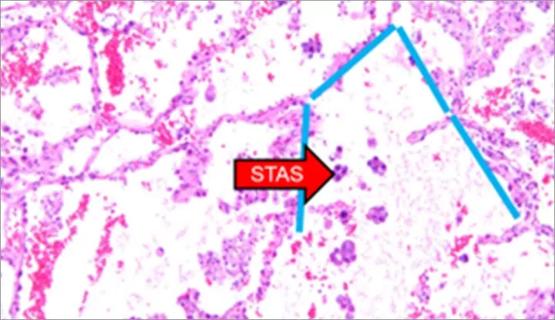
Young age, solid tumor, high uptake on PET and KRAS mutation signal risk, suggest need for lobectomy
Surprise findings argue for caution about testosterone use in men at risk for fracture
Residual AR related to severe preoperative AR increases risk of progression, need for reoperation

Findings support emphasis on markers of frailty related to, but not dependent on, age
Provides option for patients previously deemed anatomically unsuitable
 Search