Locations:





ADVANCE III ancillary analysis fills knowledge gap around optimized programming
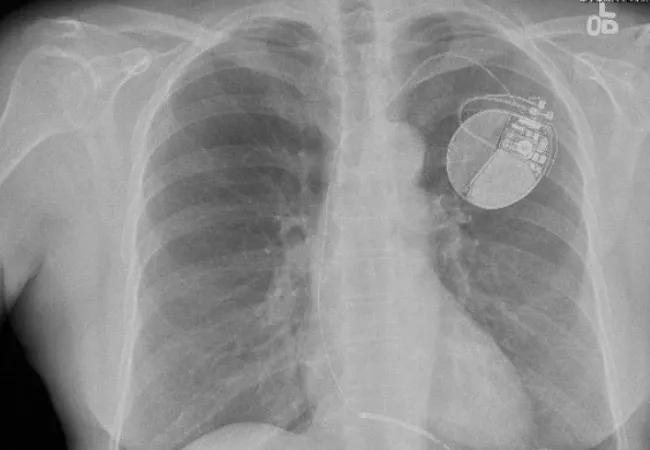
Image content: This image is available to view online.
View image online (https://assets.clevelandclinic.org/transform/ec79b91c-423b-4e56-b27f-057c66ba449e/17-HRT-3376-Varma-CQD_jpg)
17-HRT-3376-Varma-CQD
The benefits of programming long detection intervals that have been established for dual-chamber implantable cardioverter defibrillators (ICDs) have now been shown to apply to single-chamber ICDs as well.
Advertisement
Cleveland Clinic is a non-profit academic medical center. Advertising on our site helps support our mission. We do not endorse non-Cleveland Clinic products or services. Policy
That’s the conclusion from a large ancillary analysis of the ADVANCE III study presented as a late-breaking clinical trial at the Heart Rhythm Society’s annual scientific sessions this week in Chicago. The study was simultaneously published online in JACC: Clinical Electrophysiology.
“We found that an optimized programming strategy using a long detection setting significantly reduced ICD therapies, shocks, hospitalizations and death among patients implanted with a single-chamber ICD,” says Cleveland Clinic cardiologist Niraj Varma, MD, PhD, the study’s senior author. “This programming strategy was strongly and consistently effective across a range of tested metrics.”
The investigation stemmed from growing awareness that unnecessary ICD therapies may confer adverse clinical effects.
“Strategies to limit unnecessary ICD therapies have focused on optimized programming, especially delay to delivered therapy,” Dr. Varma explains. “While this approach has won strong recommendations, the bulk of the studies supporting it have involved dual-chamber ICDs. Single-chamber ICDs have been excluded from most trials testing optimized programming strategies.”
To address that dearth of data, Dr. Varma joined with international investigators from the multicenter ADVANCE III trial that tested the effect of long detection intervals for reducing unnecessary ICD therapies. Primary results of that trial, which involved 1,902 patients implanted with single-chamber, dual-chamber or cardiac resynchronization therapy ICDs for primary or secondary prevention of cardiac death, were published in JAMA in 2013. Patients were randomized to intervention with long detection settings or standard-interval programming, and results showed that use of a long detection interval significantly reduced the rate of ventricular therapies delivered and inappropriate shocks compared with the standard detection setting.
Advertisement
“The primary ADVANCE III results showed that extending the duration of the monitoring delay before therapy initiation reduced ICD therapies by more than a third compared with conventional programming,” Dr. Varma observes.
The current analysis focused exclusively on the 545 subjects from ADVANCE III who received single-chamber ICDs, 267 of whom had been randomized to long detection and 278 to standard programming. The same metrics from the main trial were used, including the following outcomes of interest:
Despite the nomenclature, even appropriate therapies were considered something to be avoided, as Dr. Varma explains: “There is consensus that unnecessary ICD therapies — whether appropriate or inappropriate — should be avoided, as evidence for their adverse effects has mounted, which include impaired quality of life, increased medical utilization and an association with higher mortality. Moreover, shocks — be they appropriate or inappropriate — may be proarrhythmic and may cause cell injury, negative inotropy and hemodynamic compromise.”
Over a median follow-up of 12 months, programming long detection intervals significantly reduced therapies overall as well as ATP rates and shocks individually, as follows:
Advertisement
Inappropriate therapies were infrequent overall, and while they occurred less often with long detection than with standard programming, the total number was too small for statistical comparison.
Syncope was comparably rare in the two treatment groups, but long detection was associated with advantages over standard programming in both hospitalization and mortality over 12-month follow-up, as follows:
Dr. Varma notes that the finding of a 59 percent reduction in mortality with long detection programming in this analysis is noteworthy, “as these data further support the concept that reducing ICD therapies improves survival.”
He adds that these results are of particular interest since implantation of dual-chamber ICDs in patients without pacing indications is associated with an increase in complications and may be contested by payors.
“We now have the best evidence to date that optimized programming that combines a long detection setting with ATP during charge yields significant reductions in ICD therapies and improved clinical outcomes in patients with single-chamber ICDs, not just in those with double-chamber defibrillators,” he says. “The implantation of dual-chamber units simply to reduce unnecessary shock therapies because of their embedded discriminatory algorithms may not be justified.”
Advertisement
Advertisement
A sampling of outcome and volume data from our Heart & Vascular Institute
Concomitant AF ablation and LAA occlusion strongly endorsed during elective heart surgery

Large retrospective study supports its addition to BAV repair toolbox at expert centers
Young age, solid tumor, high uptake on PET and KRAS mutation signal risk, suggest need for lobectomy

Surprise findings argue for caution about testosterone use in men at risk for fracture
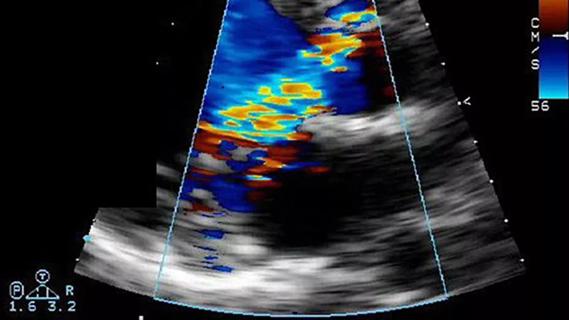
Residual AR related to severe preoperative AR increases risk of progression, need for reoperation

Findings support emphasis on markers of frailty related to, but not dependent on, age
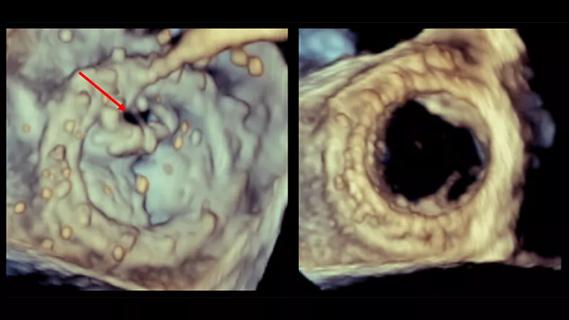
Provides option for patients previously deemed anatomically unsuitable
 Search