Locations:





 Search
Full circle multidisciplinary care for patients with complex comorbidities

Image content: This image is available to view online.
View image online (https://assets.clevelandclinic.org/transform/312792a4-c877-4b50-ac20-3fb86b0b6917/19-EMI-1471-endoMetBariatricCollaborate-650x450_jpg)
19-EMI-1471-endoMetBariatricCollaborate-650×450
Bariatric surgery is a weight loss procedure that is more effective than medical interventions, producing increased glycemic control and cardiometabolic health benefits. In patients with multiple comorbidities, treating obesity requires a complement of coordinated, multidisciplinary providers, according to Cleveland Clinic’s Ali Aminian, MD, a surgeon in the Bariatric & Metabolism Institute.
Advertisement
Cleveland Clinic is a non-profit academic medical center. Advertising on our site helps support our mission. We do not endorse non-Cleveland Clinic products or services. Policy
“Obesity and diabetes are chronic diseases with complex pathophysiology that involve several organ systems. Multidisciplinary efforts by bariatric surgeons, obesity medicine specialists, diabetes specialists, nutritionists and psychologists are necessary to address problems before and after bariatric surgery to provide the best outcomes,” Dr. Aminian states.
Additionally, patients seeking weight loss do not always start with an appointment with a surgeon. “I refer patients to bariatric surgery who are medically refractive with respect to diabetes and obesity management,” says Sangeeta Kashyap, MD, a physician in the Cleveland Clinic Endocrinology & Metabolism Institute. “Surgery is very effective for the treatment of diabetes and obesity, and can delay and/or prevent complications related to diabetes.”
“Before surgery, we ask our endocrinologists to optimize diabetes management and control hyperglycemia in patients with severe diabetes to decrease the surgical risk,” Dr. Aminian says. “In the immediate postoperative period, our endocrinologists routinely see patients with severe diabetes the day after surgery to adjust diabetes medications to prevent hypo- and hyperglycemia. In long-term follow-up, we routinely refer patients with relapse of their diabetes after surgery, reactive hypoglycemia, or metabolic bone disease to our endocrinologist colleagues.”
“We know that nutritional management is a critical component for diabetes patients going into bariatric surgery,” Dr. Kashyap adds. “And it is just as important after surgery. I specialize in taking care of post-bariatric patients with endocrine issues like hypoglycemia, metabolic bone disease and nutrient deficiencies.”
Advertisement
A patient’s intake and absorption of micronutrients should be monitored in the years following weight loss surgery. Perhaps as a combination of pre-existing nutrient issues, reduced consumption leading up to and following weight loss surgery, as well as surgery-related absorption changes, patients may be deficient in a variety of vitamins, including vitamin D, vitamin B12 and iron. Such deficiencies can lead to fatigue, irritability, anemia, the loss of bone mass and neuropathy, among others.
If a patient’s weight loss begins to plateau or reverse, medical weight management can help. “We find that metabolic surgery has profound effects on weight loss and glucose control; however, glycemic control begins to degrade two years after surgery for some patients. This relapse can parallel weight regain,” Dr. Kashyap notes. “Our relationship with bariatric surgery forms a full circle and provides optimal multidisciplinary care for patients with various metabolic diseases particularly diabetes.”
Cleveland Clinic’s Bariatric and Metabolic Institute is accredited as a designated Bariatric Surgery Center of Excellence by the American Society for Metabolic & Bariatric Surgery and the American College of Surgeons. This designation is awarded to programs that meet high-quality standards and perform a minimum of 125 procedures annually. In 2018, Cleveland Clinic performed 903 procedures.
Advertisement
Advertisement
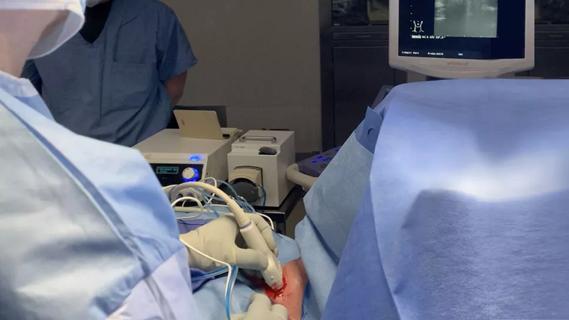
Radiofrequency ablation significantly reduces symptom severity, shrinks nodules

Maternal-fetal medicine specialists, endocrinologists and educators team up

Giving young patients a hand as they take charge of their own health

Case illustrates how easily condition can mimic preeclampsia
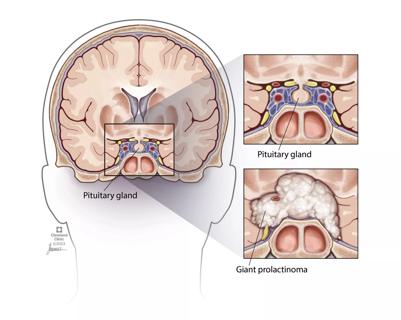
Analysis examines surgical resection of rare pituitary tumors
Screening and medication key to better outcomes
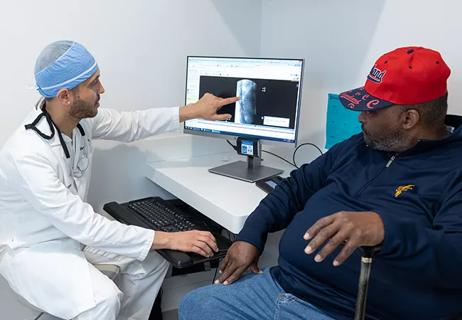
Spinal cord stimulation can help those who are optimized for success
Incidence, outcomes and management