Locations:





Percutaneous vertebral augmentation proves safe and effective
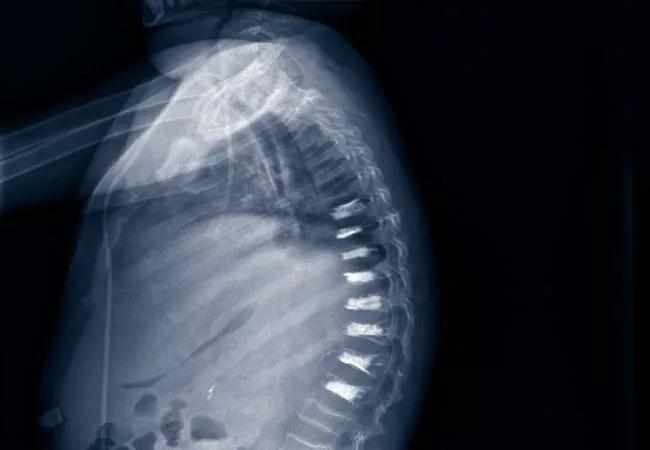
Image content: This image is available to view online.
View image online (https://assets.clevelandclinic.org/transform/840890e3-f25b-4702-9b53-6bfae4f06ca5/17-ORT-1802-CQD-veryCompsnFractr2_650x450_jpg)
17-ORT-1802-CQD-veryCompsnFractr2_650x450
By Ryan Goodwin, MD; David P. Gurd, MD; Rabi Hanna, MD; and Thomas E. Kuivila, MD
Advertisement
Cleveland Clinic is a non-profit academic medical center. Advertising on our site helps support our mission. We do not endorse non-Cleveland Clinic products or services. Policy
Osteopenia and osteoporosis are common side effects of both steroid use and chemotherapy in children and adults. Both conditions can potentially lead to vertebral compression fractures. Vertebral compression fractures can be a significant source of debilitating pain, psychosocial decline and physical impairment in patients of all ages.
Vertebroplasty and balloon kyphoplasty are percutaneous vertebral augmentation techniques that have been used extensively with good to excellent results in adults to control pain following vertebral compression fractures. To date, their use in children has been limited, and few studies and no formal indications exist.
We retrospectively reviewed outcomes for three pediatric patients who underwent balloon kyphoplasty at our institution to address their intractable pain from vertebral compression fractures between 2007 and 2013. Our results were published in the Journal of Pediatric Othopaedics.
The underlying diagnoses for these patients (average age 12.3 years, all male) were:
Preoperative pain scores were very severe (8 to 9 on a 10-point scale), impacting the children’s ability to independently ambulate. One patient even required elective intubation due to respiratory distress secondary to pain. Two of the three patients underwent multilevel procedures.
At an average of 3.6 weeks postsurgery, patient pain was improved to an average of 2/10. Two of the three patients were able to sit, stand and walk independently at follow-up. The third patient (with IPEX-like syndrome) was successfully extubated one-week postoperatively. He was capable of normal activity, including playing basketball, at follow-up about two years after balloon kyphoplasty treatment. No complications were encountered in this small case series.
Advertisement
Our follow-up was short in two of the three patients because of their early demise due to underlying oncological disease.
In our series, balloon kyphoplasty dramatically decreased pain and increased function in the immediate postoperative period in each of the patients treated. This small study provides initial information on the usefulness and safety of this procedure in this subset of seriously ill patients.Further research is necessary to establish indications for balloon kyphoplasty in pediatric patients.
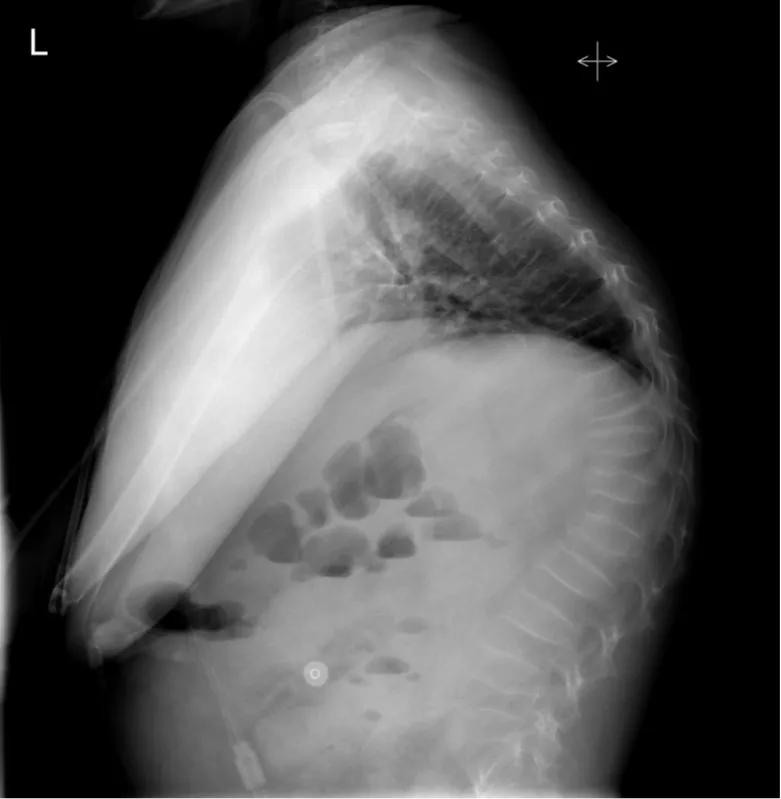
Image content: This image is available to view online.
View image online (https://assets.clevelandclinic.org/transform/7a4bd40c-acb6-4317-a254-de22966466ab/17-ORT-1802_inset1_jpg)
Figure 1A. A 13-year-old male with IPEX-like syndrome presented with severe thoracic and lumbar back pain in the setting of prolonged high-dose steroid use. Numerous vertebral compression fractures in the lower thoracic and upper lumbar regions were identified. The patient was electively intubated due to respiratory distress, thought to be related to his refractory pain.
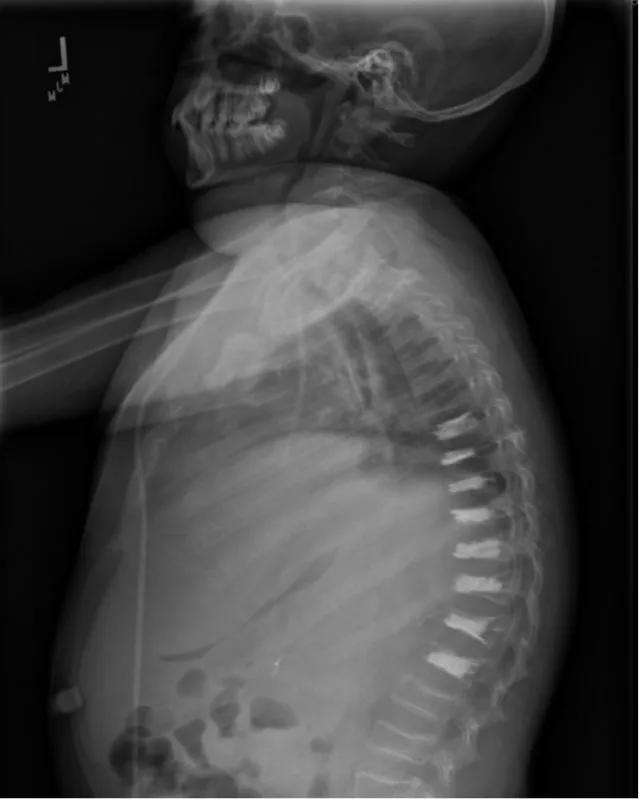
Image content: This image is available to view online.
View image online (https://assets.clevelandclinic.org/transform/d0d4f3f1-da5a-451e-9d8e-75a3738337fa/17-ORT-1802-inset2_jpg)
Figure 1B. The patient underwent four-level balloon kyphoplasty in two stages, separated by one week. His kyphotic deformity and pain improved dramatically postoperatively, allowing him to sit without pain within one month and walk independently within two months.
Dr. Goodwin is Director, Center for Pediatric and Adolescent Orthopaedics; Dr. Gurd is Head of Pediatric Spinal Deformity Surgery; Dr. Kuivila is staff physician, Pediatric Orthopaedic Surgery, Vice Chair for Education, Orthopaedic & Rheumatologic Institute, and Residency Program Director, Orthopaedic Surgery; Dr. Hanna is Director, Pediatric Bone Marrow Transplantation, Department of Pediatric Hematology and Oncology, Cleveland Clinic Children’s Hospital.
Advertisement
Advertisement
Biologic approaches, growing implants and more
Study reports zero infections in nearly 300 patients
How to diagnose and treat crystalline arthropathy after knee replacement
Study finds that fracture and infection are rare
Center will coordinate, interpret and archive imaging data for all multicenter trials conducted by the foundation’s Osteoarthritis Clinical Trial Network

Reduced narcotic use is the latest on the list of robotic surgery advantages
Cleveland Clinic specialists offer annual refresher on upper extremity fundamentals
Cleveland Clinic orthopaedic surgeons share their best tips, most challenging cases and biggest misperceptions
 Search