Locations:





Over 50 Cleveland Clinic faculty cover what’s new and notable in all major subspecialties
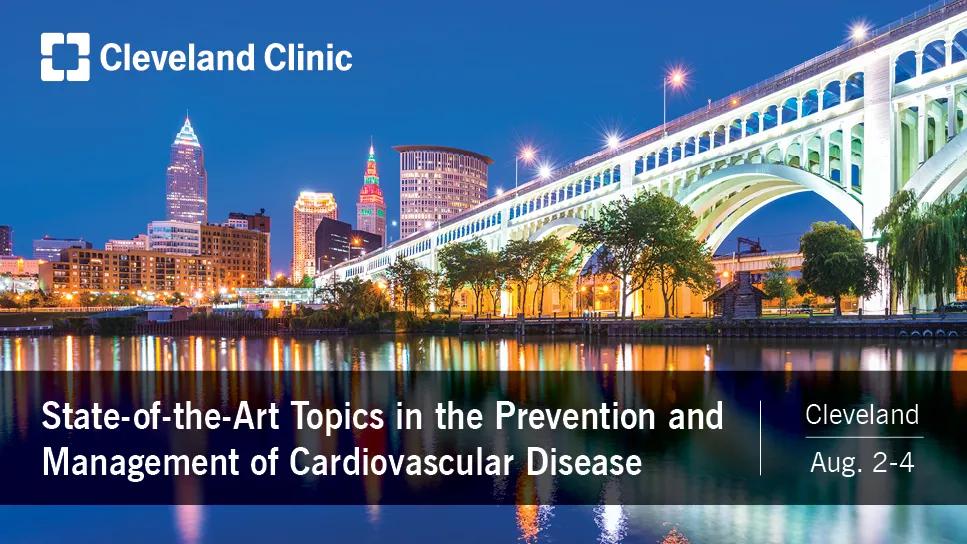
Image content: This image is available to view online.
View image online (https://assets.clevelandclinic.org/transform/675f16b5-8718-4c8f-982f-23d76c5df1dd/23-HVI-4382312-CQD-967x544b_jpg)
23-HVI-4382312 CQD 650x450b
Keeping up with the latest in cardiology practice can be daunting. Cleveland Clinic is looking to help by offering “State-of-the-Art Topics in the Prevention and Management of Cardiovascular Disease” on Aug.-4, 2024 at the InterContinental Cleveland on Cleveland Clinic’s main campus.
Advertisement
Cleveland Clinic is a non-profit academic medical center. Advertising on our site helps support our mission. We do not endorse non-Cleveland Clinic products or services. Policy
This comprehensive 2.5-day live CME event is a successor to the long-standing Cleveland Clinic Intensive Review of Cardiology, which the course directors have refreshed with an enhanced focus on the latest research and practice updates along with expanded opportunities for interaction with a faculty of more than 50 expert physicians from Cleveland Clinic’s Heart, Vascular & Thoracic Institute.
“Comprehensive coverage of developments in all major cardiovascular subspecialty areas is still our guiding principle for the course, which retains a focus on complex patient management and clinical decision-making,” says course co-director Venu Menon, MD. “This new conception of the course simply devotes greater attention to the very latest clinical trial data and guideline recommendations.”
That’s a particular priority on the first day, which launches with overviews of recent major cardiovascular trials presented by their lead investigators. These are followed by recaps of key changes and practical takeaways from recent multisociety treatment guidelines on coronary artery revascularization, aortic disease management and evaluation of chest pain. Next come expert assessments of implications from the top five trials of 2023-2024 in five subspecialty areas: electrophysiology, interventional cardiology, heart failure and transplantation, cardiac imaging and preventive cardiology.
The first day concludes with reviews of new developments in eight evolving specialty topics too often neglected in general cardiology CME courses: pericarditis, amyloidosis, sarcoidosis, hypertrophic obstructive cardiomyopathy, pulmonary hypertension, sports cardiology, infective endocarditis and cardiac rheumatology.
Advertisement
Much of the rest of the course — all day Saturday and Sunday morning — consists of sessions devoted to timely topics in six subspecialty areas: interventional cardiology, heart failure, preventive cardiology, vascular medicine, cardiac critical care and electrophysiology.
An additional session features Cleveland Clinic cardiac surgeons exploring select surgical issues with high relevance for cardiology practitioners. Another session addresses more practice areas not adequately covered in many cardiology CME courses, including cardio-obstetrics, management of adult congenital heart disease, imaging for structural heart interventions and the role of 3D printing in current practice.
All presentations are 20 minutes long, including time for Q&A. Presentation formats range from general updates (e.g., “Up-to-Date Approach to the Prevention of Sudden Cardiac Death”) to ultra-practical reviews (e.g., “Workup of a Microvascular Disease”) to forward-looking discussions (e.g., “Coronary Calcium Score: Looking Into the Future”), among others.
Content relevance across the range of subspecialty areas is ensured by the breadth of the team of Cleveland Clinic course co-directors: Venu Menon, MD, Section Head of Clinical Cardiology; Leslie Cho, MD, Co-Section Head of Preventive Cardiology and Director of the Women’s Cardiovascular Center; Ayman Hussein, MD, of the Section of Electrophysiology; Ran Lee, MD, of the Section of Heart Failure; Grant Reed, MD, of the Section of Interventional Cardiology; and Samir Kapadia, MD, Chair of Cardiovascular Medicine.
Advertisement
“This course is designed to bring cardiovascular practitioners and trainees up to speed across the spectrum of major subspecialty areas in an efficient, engaging way,” says Dr. Menon. “We look forward to welcoming attendees to this event in Cleveland, where there will be ample opportunity for one-on-one networking with the faculty.”
Course and registration details are at ccfcme.org/cvd2024. A livestream option will be available to attendees residing outside North America.
This activity has been approved for AMA PRA Category 1 Credit™.
Advertisement
Advertisement
A sampling of outcome and volume data from our Heart & Vascular Institute
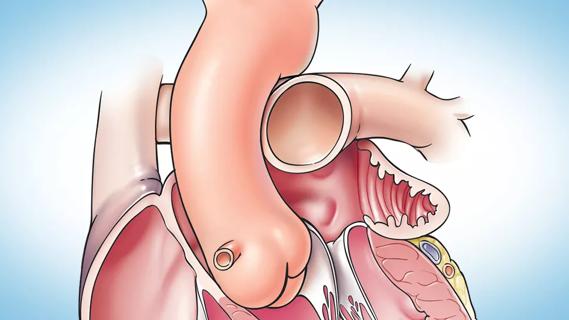
Concomitant AF ablation and LAA occlusion strongly endorsed during elective heart surgery
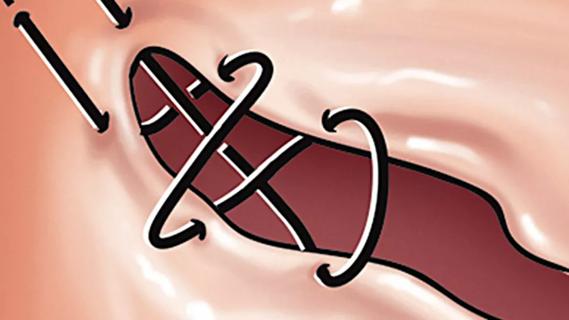
Large retrospective study supports its addition to BAV repair toolbox at expert centers
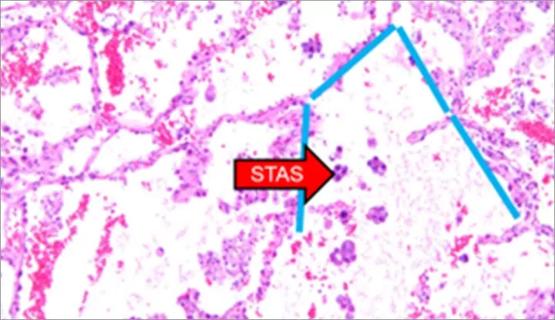
Young age, solid tumor, high uptake on PET and KRAS mutation signal risk, suggest need for lobectomy
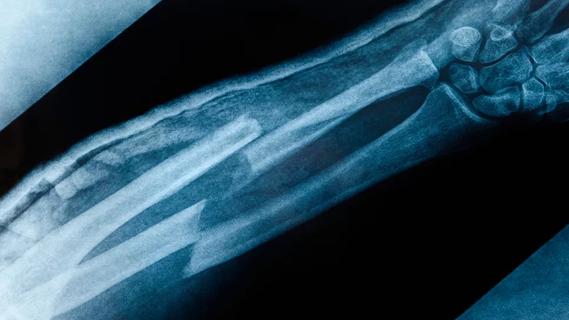
Surprise findings argue for caution about testosterone use in men at risk for fracture
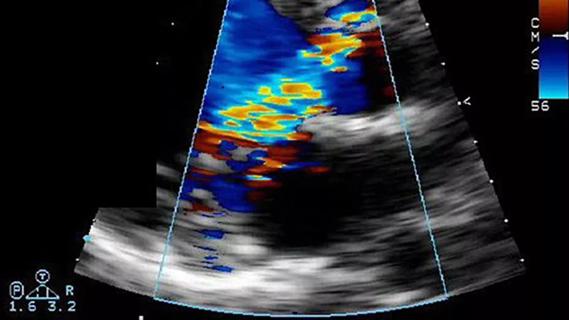
Residual AR related to severe preoperative AR increases risk of progression, need for reoperation

Findings support emphasis on markers of frailty related to, but not dependent on, age
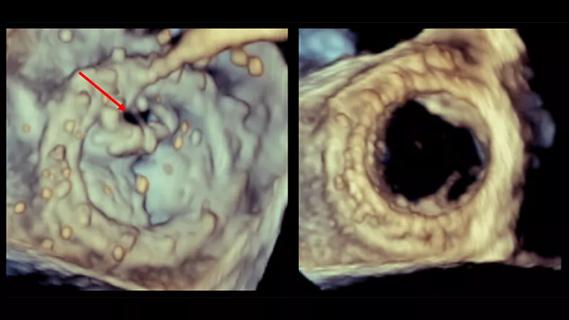
Provides option for patients previously deemed anatomically unsuitable
 Search