Locations:





Survey gives guidance on closing key knowledge gaps
Image content: This image is available to view online.
View image online (https://assets.clevelandclinic.org/transform/aafd0df2-6e1f-4c77-8a70-6df6560c97bd/20-HRT-018-Love-Your-Heart-Survey_jpg)
20-HRT-018-Love-Your-Heart-Survey
American adults are still underestimating the danger of heart disease, according to the 2020 installment of Cleveland Clinic’s annual national heart health survey.
Advertisement
Cleveland Clinic is a non-profit academic medical center. Advertising on our site helps support our mission. We do not endorse non-Cleveland Clinic products or services. Policy
More than a third of U.S. adults (37%) think they won’t develop heart disease in the next 10 years — even though heart disease is still the leading cause of American death. A large majority of Americans (68%) don’t know that heart disease is the No. 1 killer of U.S. women. And Americans are much more likely to binge watch a TV show with their partner (66%) than to exercise with them (46%).
“Physicians still have a lot of work to do to educate their patients about the importance of heart health,” says Samir Kapadia, MD, Chair of Cardiovascular Medicine at Cleveland Clinic. “We may think that patients have heard it all before, but what’s well-known to us is still news to much of the population. Reinforcing the basics — about diet, exercise, risk factors, symptoms — isn’t repetitive, it’s necessary.”
The survey of 1,000 U.S. adults, conducted as part of Cleveland Clinic’s “Love Your Heart” consumer education campaign in celebration of American Heart Month, also revealed these findings:
The finding that may be most surprising also represents a valuable opportunity for clinicians: The vast majority of Americans (92%) don’t know that most heart disease is due to risk factors they can control.
“Too many people still don’t realize that healthy lifestyle choices can help them prevent heart disease,” says Leslie Cho, MD, co-Section Head of Preventive Cardiology and Director of the Women’s Cardiovascular Center at Cleveland Clinic. “This is a huge opportunity for the medical community. Recommending simple changes to more patients can drive significant improvements in heart health.”
Advertisement
“Heart attacks don’t just happen,” adds A. Marc Gillinov, MD, Chair of Thoracic and Cardiovascular Surgery at Cleveland Clinic. “Ninety percent of heart attack risk is attributable to personal choices. Making good lifestyle choices is the best way to love your heart.”
While heart disease accounts for one in every four deaths in the U.S., that number could be reduced by making sure more patients know the following:
“Enrolling the support of a spouse or partner may help patients stick with lifestyle improvements,” says Dr. Cho. Over half of Americans in a relationship (60%) are more motivated to lead a heart-healthy lifestyle for their partners than for themselves, she notes from the survey.
Advertisement
A full 83% of Americans with partners said they would adopt a heart-healthy diet if their partner did. And more than half (57%) said they are more likely to exercise with their partner than by themselves.
Results reported here are from a Cleveland Clinic online survey of 1,000 U.S. adults conducted in September 2019. The sample was nationally representative by age, gender, ethnicity, region, income and education. It had a margin of error of ±3.1% (95% confidence interval).
Advertisement
Advertisement
A sampling of outcome and volume data from our Heart & Vascular Institute
Concomitant AF ablation and LAA occlusion strongly endorsed during elective heart surgery
Large retrospective study supports its addition to BAV repair toolbox at expert centers
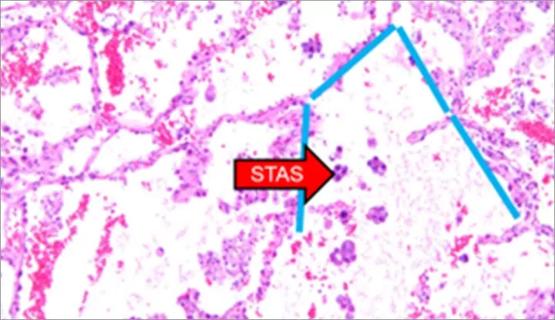
Young age, solid tumor, high uptake on PET and KRAS mutation signal risk, suggest need for lobectomy
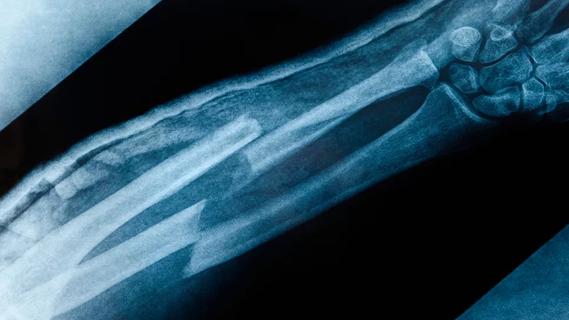
Surprise findings argue for caution about testosterone use in men at risk for fracture
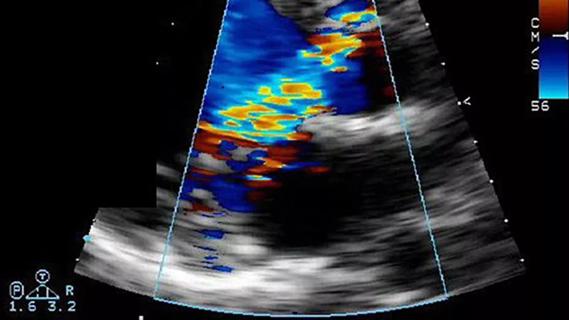
Residual AR related to severe preoperative AR increases risk of progression, need for reoperation
Findings support emphasis on markers of frailty related to, but not dependent on, age

Provides option for patients previously deemed anatomically unsuitable
 Search