Locations:





Q&A with writing committee member Miriam Jacob, MD
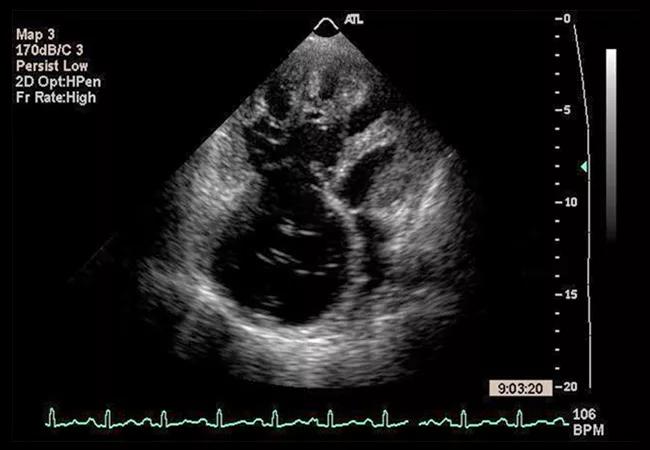
Image content: This image is available to view online.
View image online (https://assets.clevelandclinic.org/transform/81dce245-c7e1-46e6-8791-3475663fe039/18-HRT-469-AHA-Statement-CQD_jpg)
Right-sided heart failure: A useful new document from the Am Heart Assn considers all major topics relevant to this syndrome
While there are many guidelines that pertain to right-sided heart failure (RHF), the medical community has lacked a statement on right heart dysfunction and failure that is comprehensive and based on a review of the strongest research. The American Heart Association recently filled that gap by producing a scientific statement on the topic, published in Circulation (2018 Apr 12 [Epub ahead of print]).
Advertisement
Cleveland Clinic is a non-profit academic medical center. Advertising on our site helps support our mission. We do not endorse non-Cleveland Clinic products or services. Policy
Miriam Jacob, MD, a Cleveland Clinic cardiologist specializing in heart failure and pulmonary hypertension, served on the writing committee for the scientific statement on RHF and was tapped to author several sections. Consult QD spoke with Dr. Jacob about the value the statement brings to clinicians.
Q: Why was this statement needed and how does it differ from a guideline?
A: A main trigger for the statement was the resurgent interest we’re seeing in RHF because of new treatment strategies. Decades ago, when imaging technologies first enabled insight into the right (and left) heart anatomy, people were excited about right heart dysfunction. Then, for many years it became the forgotten ventricle, partly because there are so many nuances that make it hard to understand, and partly because the left ventricle gets center stage for being the primary pump. Now we have new treatment strategies for pulmonary hypertension and new technologies to mechanically support patients with RHF.
A guideline tells specifics about how to diagnose someone and which treatment options are available. This statement, based on a review of the best literature (including guidelines and other statements), considers level of evidence and strength of evidence. It doesn’t have the exact rigor of a guideline, but it drives a comprehensive consideration of all major topics related to RHF.
Q: How evidence-based (versus consensus-based) is this statement, given the limited published data and the wide range of publication types used?
Advertisement
A: One of its real strengths is that, despite the fact that research on RHF is limited compared with left heart failure (LHF), we have ferreted out the most robust studies that exist and given clinicians hundreds of the best sources we could find, saving them from doing the digging themselves.
Q: What are essential takeaways for physicians who treat patients with RHF?
A: One is that we need to step up the rigor with which we explore what the right heart is doing. For example, experts in advanced heart failure tend to be aggressive about measuring right heart hemodynamics to assess options, starting with imaging and then confirming with catheterization. But some cardiologists delay that confirmation a little later than they should or forgo it altogether, since it’s invasive. They ask, “What’s it going to change?” But a cath, when performed early on, is key to confirming imaging and distinguishing between intrinsic right ventricular pathology versus pulmonary vascular obstructive disease versus LHF. These diagnoses can drive different therapies.
The overarching takeaway from this statement is that, given RHF’s complexity, treatment decisions must be based on consideration of multiple labs, tests, the state of other organs and the impact of treatment on those organs. This statement covers a full range of RHF topics and interweaves them to remind clinicians how what they do to improve one function may impact other functions.
Q: Are any recommendations/observations fairly novel or surprising, or were they all fairly well-established and merely pulled together here?
Advertisement
A: I believe the efficacy and context for using new right-sided mechanical support devices and appropriate patient selection for these represents novel guidance.
Q: The statement refers to “areas of inadequate data requiring future research.” Which are most pressing or challenging?
A: We need research on the new medications and technologies that are now available or in the development or regulatory pipeline. For example, will some of these therapies alleviate diuretic resistance and the cardiorenal syndrome as they are designed to do? How will an improved understanding of the pathobiology of pulmonary microvascular disease enable us to reverse “fixed” pathology? We just don’t have adequate studies to answer these questions.
Q: The statement mentions some “remarkably misunderstood basic concepts of right-sided heart dysfunction among practicing clinicians.” Can you give an example?
A: There’s a tendency to underestimate the interdependence of the right ventricle with other heart structures and with other organs and systems — the upstream triggers and downstream impact of right heart dysfunction. Diagnosing right heart dysfunction and treating it early can prevent the cascade of damage that chronic congestion and malperfusion can wreak on multiple organs. This understanding can be elusive, and the urgency can be underestimated in general cardiology practice.
Q: What’s the main contribution this statement makes to RHF management?
A: We needed a comprehensive paper that expresses the complexity of RHF and the comorbidities that frequently overlap it. Much has been written about LHF and, separately, specific topics such as right ventricular dysfunction, echo and pulmonary hypertension, for example. But these topics have to be considered together if we are to provide proper care.
Advertisement
Advertisement

A sampling of outcome and volume data from our Heart & Vascular Institute
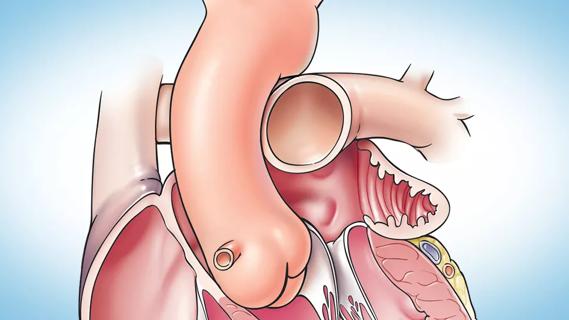
Concomitant AF ablation and LAA occlusion strongly endorsed during elective heart surgery
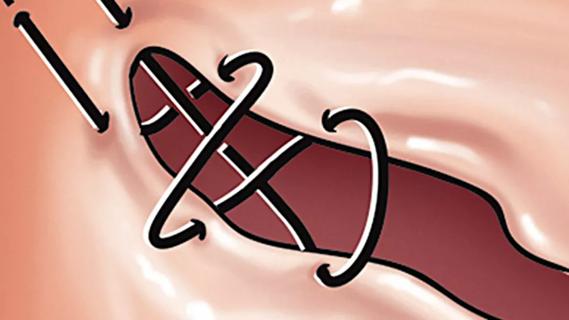
Large retrospective study supports its addition to BAV repair toolbox at expert centers
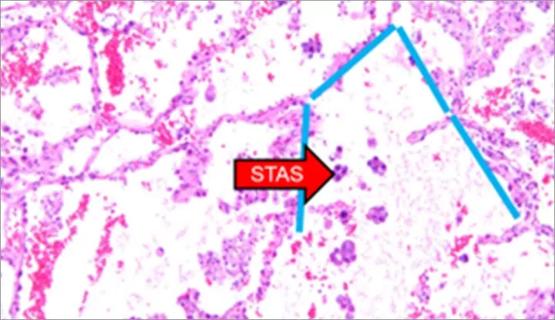
Young age, solid tumor, high uptake on PET and KRAS mutation signal risk, suggest need for lobectomy
Surprise findings argue for caution about testosterone use in men at risk for fracture
Residual AR related to severe preoperative AR increases risk of progression, need for reoperation

Findings support emphasis on markers of frailty related to, but not dependent on, age
Provides option for patients previously deemed anatomically unsuitable
 Search