Locations:





Rising ED visits add to management complexity
Adult congenital heart disease (ACHD) is placing a significant and steadily increasing burden on U.S. emergency departments (EDs), according to a comprehensive national database analysis led by Cleveland Clinic researchers. This infographic shares some essential data takeaways from the study, published in the July 2016 issue of Clinical Cardiology. Study details are provided below the infographic.
Advertisement
Cleveland Clinic is a non-profit academic medical center. Advertising on our site helps support our mission. We do not endorse non-Cleveland Clinic products or services. Policy

Image content: This image is available to view online.
View image online (https://assets.clevelandclinic.org/transform/842c2abf-a116-47cd-90aa-5ea93ce1acd3/16-HRT-2119-QD-ACHD_jpg)
The study — the first characterization of the burden of ACHD in EDs in the United States — was based on an analysis of the Nationwide Emergency Department Sample database, which approximates a 20 percent stratified sample of U.S. hospital-based EDs. Data from this sample were used to calculate projected national estimates. Researchers found a 41.0 percent increase in ED visits among U.S. patients with ACHD from 2006 to 2012; 63.4 percent of those patients were admitted to the hospital. Admission rates trended downward over the study period, and admission trends varied significantly by geographic location, hospital type, insurance status and ED volume. Of the patients visiting the ED with ACHD, 42.5 percent had a complex lesion, 32.4 percent had a simple lesion and 25.1 percent were unclassified. The prevalence of traditional cardiac risk factors rose among ACHD patients presenting to the ED during the study period.
“The overwhelming growth in the ACHD population is multifactorial, but much of it is attributable to advancements in the surgical and medical care of children with congenital heart disease, enabling marked improvements in survival to adulthood and longer life expectancy,” says senior author and Section Head of Clinical Cardiology Venu Menon, MD.
He notes that this study’s findings are notable for a number of reasons, including the added management complexity suggested by the increasing prevalence of traditional cardiovascular risk factors. “These findings emphasize the need for ED physicians to be aware of the natural history and clinical sequelae of repaired congenital heart disease,” Dr. Menon says.
Advertisement
Advertisement

A sampling of outcome and volume data from our Heart & Vascular Institute
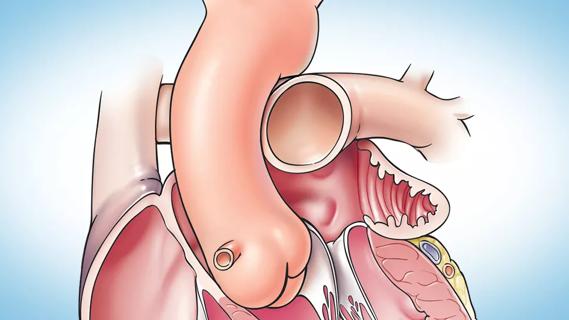
Concomitant AF ablation and LAA occlusion strongly endorsed during elective heart surgery
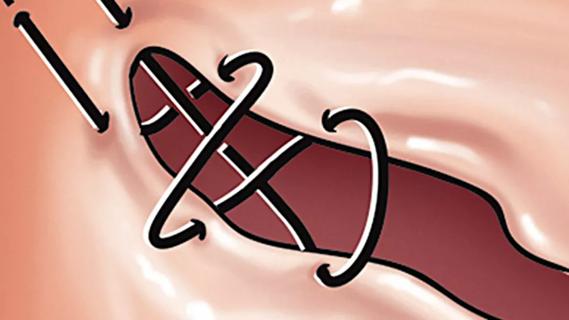
Large retrospective study supports its addition to BAV repair toolbox at expert centers
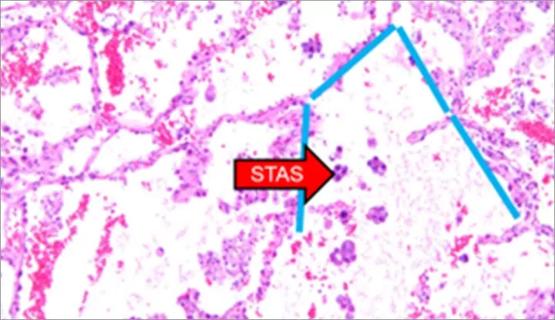
Young age, solid tumor, high uptake on PET and KRAS mutation signal risk, suggest need for lobectomy
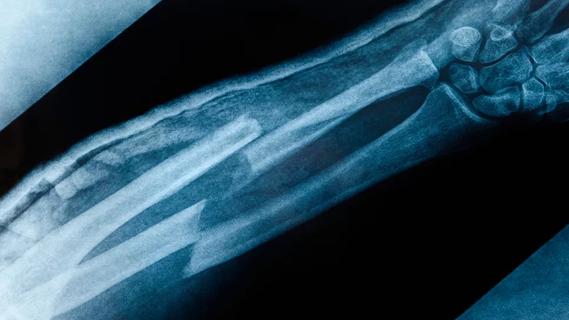
Surprise findings argue for caution about testosterone use in men at risk for fracture
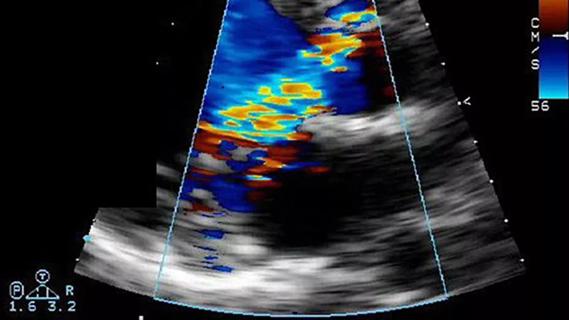
Residual AR related to severe preoperative AR increases risk of progression, need for reoperation

Findings support emphasis on markers of frailty related to, but not dependent on, age
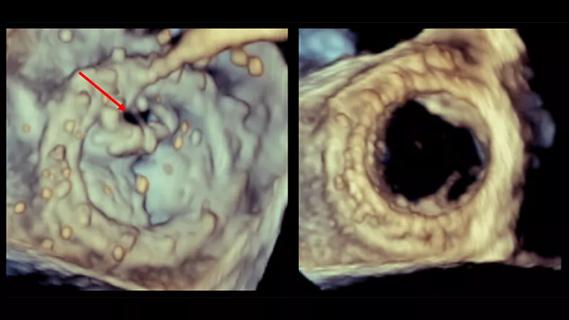
Provides option for patients previously deemed anatomically unsuitable
 Search