Locations:





Cleveland Clinic-led trial is first large randomized study of the combo

Image content: This image is available to view online.
View image online (https://assets.clevelandclinic.org/transform/e098c526-dd09-420d-abe1-bb6e85a796ee/ACC-690x380_jpg)
ACC-690×380
The first randomized clinical trial to assess the use of ablation in patients with atrial fibrillation who require mitral valve surgery found that ablation substantially improves heart rhythm compared with mitral valve surgery alone.
Advertisement
Cleveland Clinic is a non-profit academic medical center. Advertising on our site helps support our mission. We do not endorse non-Cleveland Clinic products or services. Policy
The research was presented today at the American College of Cardiology’s (ACC) 64th Annual Scientific Session. The lead author was A. Marc Gillinov, MD, the Judith Dion Pyle Chair in Heart Valve Research at Cleveland Clinic.
Dr. Gillinov and the NIH-funded Cardiothoracic Surgical Trials Network found that the addition of atrial fibrillation ablation during mitral valve surgery significantly improved one-year freedom from atrial fibrillation in patients with long-standing persistent atrial fibrillation. Sixty-three percent of patients who received both ablation and mitral valve surgery were free from atrial fibrillation at six and 12 months after surgery — the study’s primary end point — compared with 29 percent of patients who received mitral valve surgery alone (P < .001).
However, the risk of needing permanent pacemaker implantation was 2.5 times higher in the year following surgery in the patients who received ablation (21.5 vs. 8.1 per 100 patient-years; P = .01). The reason for this difference is unknown and warrants further study, Dr. Gillinov says.
No significant differences in rates of death, adverse cardiac events or hospitalization were seen between the groups in this multicenter study. Patients receiving mitral valve surgery alone reported a slightly lower quality of life because more of them still experienced daily atrial fibrillation a year after surgery.
“This study shows that, in the mitral valve surgery patient who has persistent atrial fibrillation, we can achieve better rhythm control by performing ablation, without any increase in mortality or other adverse cardiac events,” Dr. Gillinov says.
Advertisement
Among patients undergoing mitral valve surgery today, 30 to 50 percent present with atrial fibrillation, so many surgeons have begun combining the mitral valve procedure with surgical ablation to reduce the need for multiple surgeries. However, evidence regarding the safety and effectiveness of this practice has been limited.
In this study, 260 patients with persistent atrial fibrillation who required mitral valve surgery were assigned randomly to either surgical ablation or no ablation (control group) during the mitral valve operation. All patients underwent left atrial appendage closure. Freedom from atrial fibrillation at six and 12 months was assessed by three-day Holter monitor.
The ablation group was further randomized to pulmonary vein isolation or a biatrial maze procedure, but there was no significant difference in freedom from atrial fibrillation according to the ablation procedure received (61 vs. 66 percent; P = .60).
In the absence of strong clinical guidance, the decision whether to use ablation with mitral valve surgery has been left largely to physician preference, Dr. Gillinov notes. He says about two-thirds of surgeons currently perform ablation during mitral valve surgery for patients with persistent atrial fibrillation. However, there is a great deal of variation regarding when and how it is done and which patients receive it.
“We wanted to conduct a well-designed randomized controlled trial to answer fundamental questions about whether this procedure is successful and how it is best done,” he explains.
Advertisement
Because patients have only been tracked for one year, the results do not yet provide a clear picture of the full spectrum of potential differences in cardiovascular outcomes, Dr. Gillinov adds. The researchers will continue to track patients to assess longer-term outcomes.
This study was also published in the New England Journal of Medicine at the time of presentation at the ACC meeting.
Advertisement
Advertisement

A sampling of outcome and volume data from our Heart & Vascular Institute
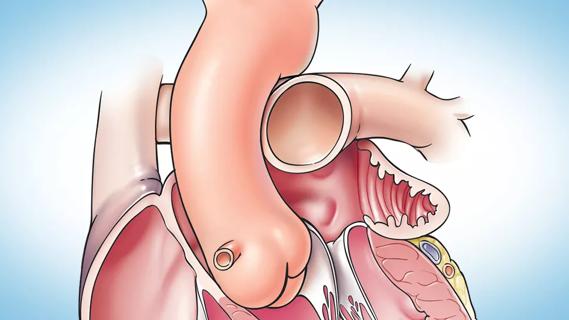
Concomitant AF ablation and LAA occlusion strongly endorsed during elective heart surgery

Large retrospective study supports its addition to BAV repair toolbox at expert centers

Young age, solid tumor, high uptake on PET and KRAS mutation signal risk, suggest need for lobectomy
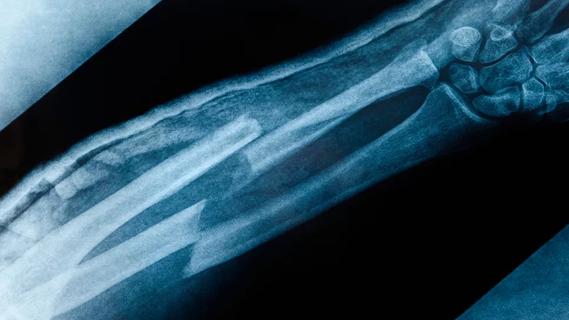
Surprise findings argue for caution about testosterone use in men at risk for fracture
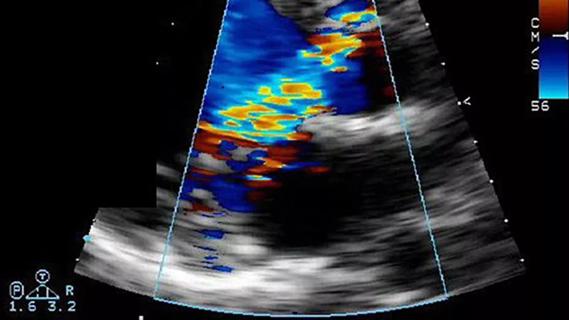
Residual AR related to severe preoperative AR increases risk of progression, need for reoperation

Findings support emphasis on markers of frailty related to, but not dependent on, age
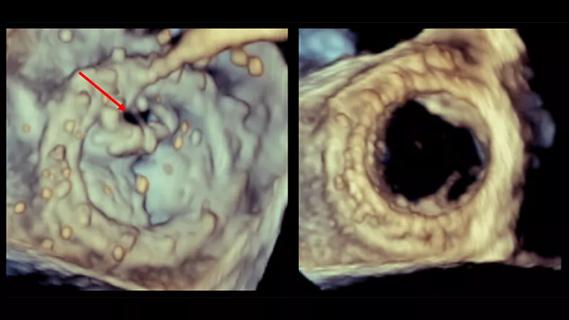
Provides option for patients previously deemed anatomically unsuitable
 Search