Locations:





How we planned the procedure
A 30-year-old man born with heterotaxy presented with cyanosis and a prior stroke. In this 80-second captioned video, Cleveland Clinic congenital heart surgeon Hani Najm, MD, demonstrates how his team used a 3D-printed model of the patient’s complex heart anatomy to determine if biventricular repair was feasible.
Advertisement
Cleveland Clinic is a non-profit academic medical center. Advertising on our site helps support our mission. We do not endorse non-Cleveland Clinic products or services. Policy
Video content: This video is available to watch online.
View video online (https://www.youtube.com/embed/psS9Q4YLz3U?feature=oembed)
A 3D-Printed Window Into Biventricular Repair of Adult Heterotaxy
This is a 30-year-old man who was born with heterotaxy, double-outlet right ventricle with pulmonary stenosis and a common AVSD [atrioventricular septal defect] on the inside of the heart. Has bilateral superior vena cava and a hepatic vein that opens separate from the IVC [inferior vena cava], and total anomalous pulmonary venous drainage that opens into the back of the left SVC [superior vena cava]. He presented to us with cyanosis and a previous stroke, and we were wondering whether we could offer him a biventricular repair. By doing this 3D model printing, we were able to see that the two ventricles are of good size. The left ventricle is very far from the aorta. Therefore, we decided to make that left ventricle as the supplementary ventricle. We needed to reroute his systemic venous return to the left component of the AVSD and then crate a left ventricle-to-pulmonary artery conduit. And we connected the pulmonary veins into the right atrium, which became the pulmonary venous atrium that connects to the right ventricle and to the aorta.
Dr. Najm is Chair of Pediatric and Congenital Heart Surgery and Executive Co-Director of the Pediatric and Adult Congenital Heart Center at Cleveland Clinic. Dr. Najm recently helped develop a new tool that refines cardiac surgical risk prediction for adults with congenital heart disease. Read about the ventricular switch his team performed on a 2-month-old and why he opted for this alternative, or click here to learn more about his work with 4-D and 3-D CT assessments.
Advertisement
Advertisement
A sampling of outcome and volume data from our Heart & Vascular Institute
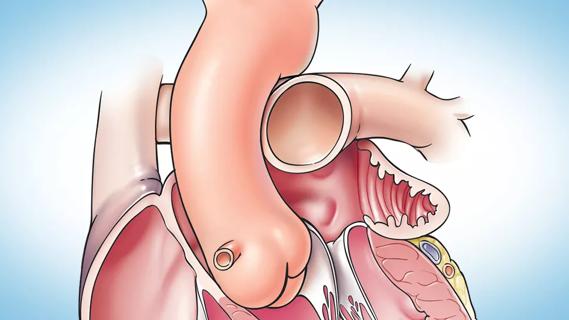
Concomitant AF ablation and LAA occlusion strongly endorsed during elective heart surgery
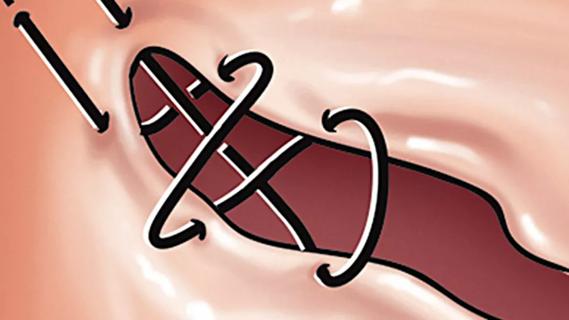
Large retrospective study supports its addition to BAV repair toolbox at expert centers
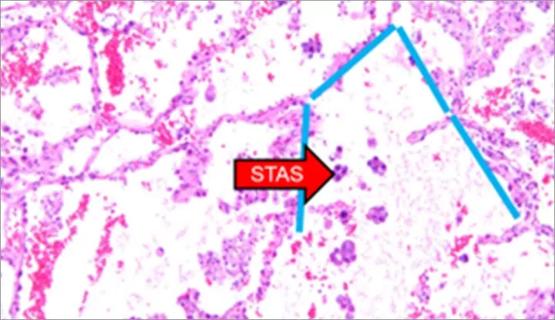
Young age, solid tumor, high uptake on PET and KRAS mutation signal risk, suggest need for lobectomy
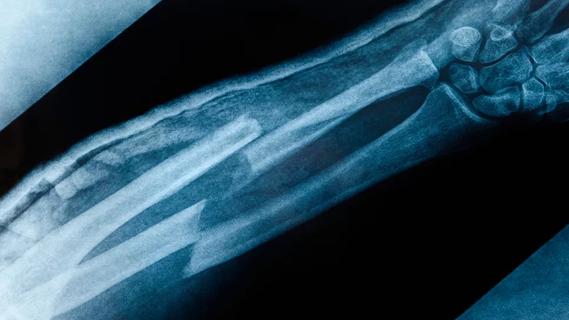
Surprise findings argue for caution about testosterone use in men at risk for fracture
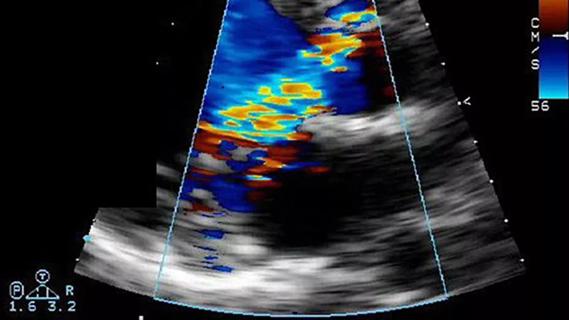
Residual AR related to severe preoperative AR increases risk of progression, need for reoperation

Findings support emphasis on markers of frailty related to, but not dependent on, age
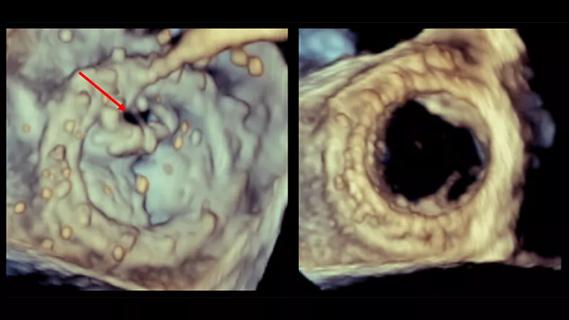
Provides option for patients previously deemed anatomically unsuitable
 Search