Locations:





Ranking methodologies may change, but leadership qualities endure
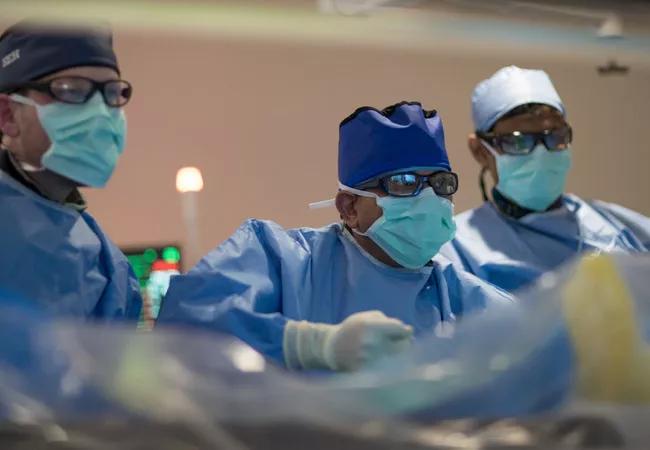
Image content: This image is available to view online.
View image online (https://assets.clevelandclinic.org/transform/5ae6610c-3c41-4b30-92ba-6ad5dad6a762/18-HRT-5501-USNWR-HRT-CQD_jpg)
18-HRT-5501-USNWR-HRT-CQD
Cardiothoracic surgeon Lars Svensson, MD, PhD, has been at Cleveland Clinic for most of the 24 straight years the health system has been recognized for having the nation’s No. 1 cardiology and heart surgery program in U.S. News & World Report’s “America’s Best Hospitals” Report, continuing through the new rankings for 2018-19.
Advertisement
Cleveland Clinic is a non-profit academic medical center. Advertising on our site helps support our mission. We do not endorse non-Cleveland Clinic products or services. Policy
Yet he says the thrill of the honor remains fresh every year. “It’s not something that loses its luster for us over time,” notes Dr. Svensson, who has been Chairman of Cleveland Clinic’s Miller Family Heart & Vascular Institute since January 2015. “And it’s certainly not something we ever take for granted.”
Despite the perpetual excitement of the recognition and frequent year-to-year changes to the methodology behind the rankings, Dr. Svensson says one thing remains constant — a core set of factors and cultural values that have consistently put Cleveland Clinic at the top of the category. He outlined six of those factors and values below.
Cleveland Clinic delivers patient care through integrated practice units it calls institutes. Each institute combines medical and surgical departments related to the management of one organ system or disease area into a single organizational entity under a single leadership team.
The Miller Family Heart & Vascular Institute combines Cardiovascular Medicine, Thoracic and Cardiovascular Surgery, Vascular Surgery and all their subspecialties into one organizational unit outfitted with the most advanced medical and surgical equipment.
The institute takes advantage of Cleveland Clinic’s collaborative model of medicine as a physician-led, not-for-profit group practice. Lines of authority are clear, incentives are aligned among professional staff and support personnel, and the team acts as a unit to implement policies and achieve efficiencies.
“Our model treats multidisciplinary collaboration as a given, not as an afterthought or a ‘nice-to-have,’” Dr. Svensson observes.
Advertisement
Cleveland Clinic operates one of the largest and busiest heart programs in the world. In a typical year, Miller Family Heart & Vascular Institute staff see patients at over 600,000 patient visits and care for them across more than 13,000 hospital admissions. They perform over 4,500 cardiac surgeries — including over 3,000 valve surgeries and 1,500 coronary artery bypass graft procedures — plus more than 1,800 thoracic operations and over 2,700 vascular surgeries. Patients come from 80-plus nations across the globe and all 50 states.
These enormous patient volumes have yielded a huge data set of patient outcomes that are closely evaluated to continuously refine treatment approaches. What’s more, Cleveland Clinic’s cardiovascular team has kept meticulous computerized records of procedures and outcomes since 1971, building an unmatched outcomes database to help identify optimal treatment strategies and fuel practice-shaping research projects. “Our program has a tradition of collecting and using data in new and different ways to inform care here and beyond,” Dr. Svensson notes.
This systematic use of data to guide care pays off in unsurpassed outcomes across the spectrum of cardiovascular caregiving. One example can be found in the latest Adult Cardiac Surgery Database analysis from the Society of Thoracic Surgeons (for January 2015-December 2017). In that report, Cleveland Clinic was one of just two out of 1,012 database participants to achieve the maximum three-star rating in all five categories, including the two newly reported categories of mitral valve repair/replacement surgery with or without coronary artery bypass surgery.
Advertisement
Cleveland Clinic has been at the fore of innovation in cardiovascular care since at least the 1950s and 1960s, when its cardiologists and surgeons played indispensable roles in the development of moving coronary angiography, coronary artery bypass graft surgery and more.
That ethic of innovation has been cultivated ever since — and not just in laboratories and ORs. “We’ve long recognized that innovation is about more than developing new devices or therapies,” Dr. Svensson explains. “It’s also about delivering care in new ways, for greater efficiency and patient access, and finding better ways to connect providers to improve care coordination and spread best practices.” The results in recent years include everything from pioneering uses of virtual reality to train surgeons how to cope with rare high-stress events in the OR to novel protocols that dramatically boost catheterization lab efficiencies.
The above factors are ultimately in service of a long-standing Cleveland Clinic ethos of “Patients First” that goes beyond just the Miller Family Heart & Vascular Institute. “The Cleveland Clinic culture promotes treating all our patients as if they were close family members, and to treat our fellow caregivers as family members too,” Dr. Svensson says. “That mentality empowers and inspires us to make all the above factors a reality. This 24/7 commitment to patients is a big part of what’s now been recognized for 24 years running.”
Advertisement
Advertisement
A sampling of outcome and volume data from our Heart & Vascular Institute
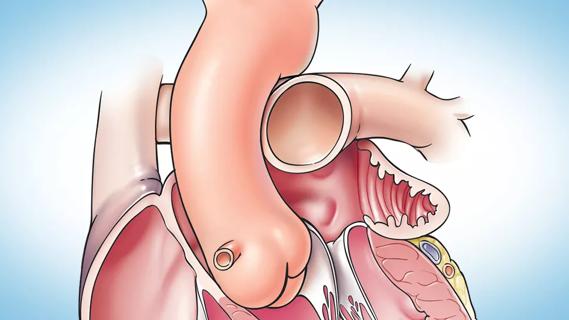
Concomitant AF ablation and LAA occlusion strongly endorsed during elective heart surgery
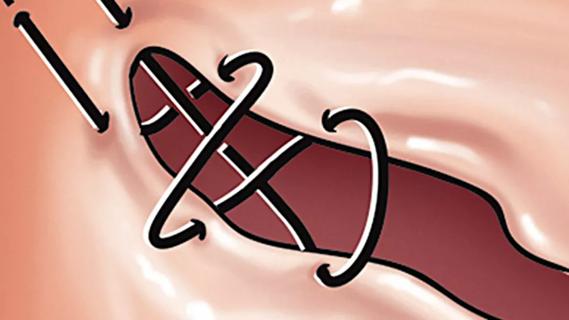
Large retrospective study supports its addition to BAV repair toolbox at expert centers
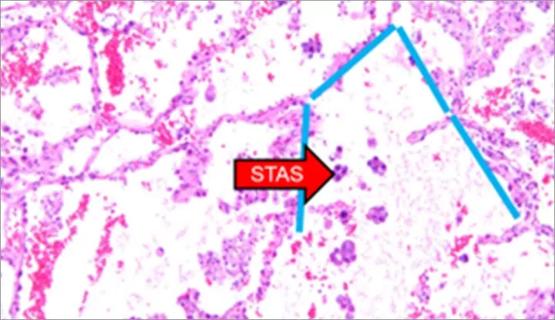
Young age, solid tumor, high uptake on PET and KRAS mutation signal risk, suggest need for lobectomy
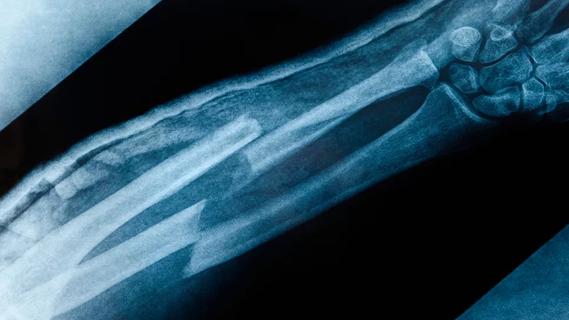
Surprise findings argue for caution about testosterone use in men at risk for fracture
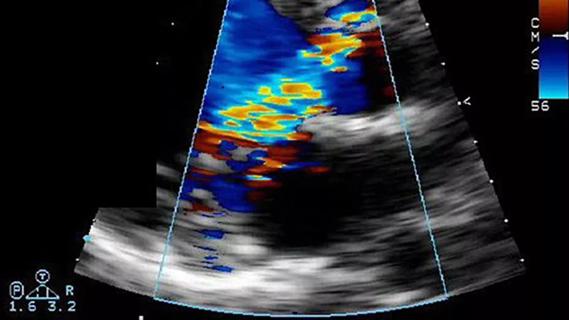
Residual AR related to severe preoperative AR increases risk of progression, need for reoperation

Findings support emphasis on markers of frailty related to, but not dependent on, age
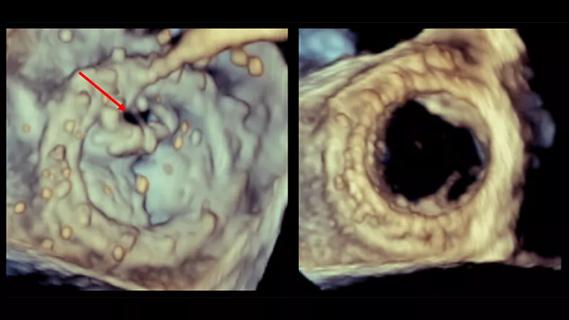
Provides option for patients previously deemed anatomically unsuitable
 Search