Locations:





 Search
Hernia surgeons to gather in Disney World, Jan. 14-16
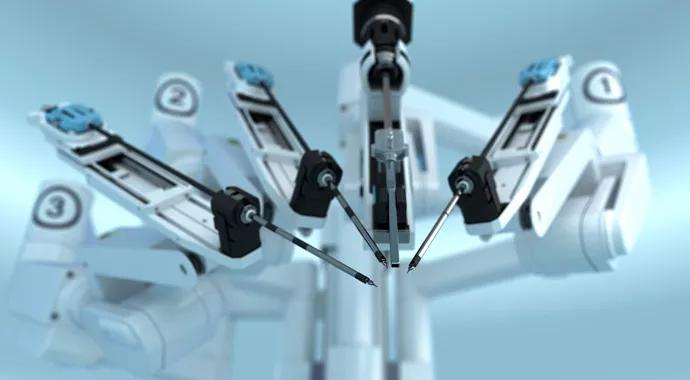
Image content: This image is available to view online.
View image online (https://assets.clevelandclinic.org/transform/ad3459e3-f99e-434a-befb-b64d54dff075/RoboticHernia-690x380_jpg)
RoboticHernia-690×380
Repairing ventral hernias is a different procedure than it was just 10 years ago. There’s now a multitude of prosthetic, biologic and biosynthetic materials available. Innovative technical advances – including robotic surgery techniques – have improved outcomes.
Advertisement
Cleveland Clinic is a non-profit academic medical center. Advertising on our site helps support our mission. We do not endorse non-Cleveland Clinic products or services. Policy
If you perform abdominal wall reconstruction, staying abreast of these changes is vital to your practice. Cleveland Clinic’s Digestive Disease Institute will help you do so at Updates in Abdominal Wall Reconstruction, Jan. 14–16, 2016, at Walt Disney World Swan and Dolphin Resort in Orlando, Florida.
“This will be the most comprehensive, most engaging program anywhere about abdominal wall reconstruction – not to mention it’ll be at a world-class resort where you can interact personally with the best of the best in our field,” says Michael J. Rosen, MD, Director of Cleveland Clinic’s Hernia Center and Medical Director of the Americas Hernia Society Quality Collaborative.
Here are the top five things that attendees of Updates in Abdominal Wall Reconstruction can anticipate:
Advertisement
Register now for Updates in Abdominal Wall Reconstruction. For more about the program, see ccfcme.org/AWR.
This activity has been approved for up to 20.25 AMA PRA Category 1 Credits™. Participants claiming CME credit for this activity may also submit credit hours to the American Osteopathic Association for Category 2 credit.
Advertisement
Advertisement

Strong patient communication can help clinicians choose the best treatment option
ctDNA should be incorporated into care to help stratify risk pre-operatively and for post-operative surveillance

The importance of raising awareness and taking steps to mitigate these occurrences
New research indicates feasibility and helps identify which patients could benefit
Treating a patient after a complicated hernia repair led to surgical complications and chronic pain
Standardized and collaborative care improves liver transplantations
Fewer incisions and more control for surgeons

Caregiver collaboration and patient education remain critical