Locations:





Viewpoints from Steven Wexner, MD

Image content: This image is available to view online.
View image online (https://assets.clevelandclinic.org/transform/5ca48800-e150-4e07-a2cb-ea2cf1304bc1/17-DDI-3695-Wexner-Robotic-Surgery_jpg)
17-DDI-3695-Wexner-Robotic-Surgery
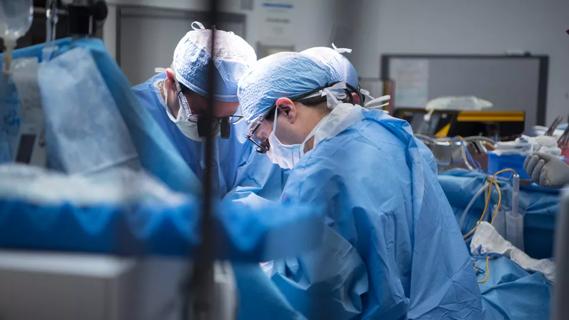
The first robotic surgical system was introduced in 1985 and the first iteration of the current platform became available for colorectal surgery in 2001.
Advertisement
Cleveland Clinic is a non-profit academic medical center. Advertising on our site helps support our mission. We do not endorse non-Cleveland Clinic products or services. Policy
To evaluate any potential advantages of the robotic platform as compared with traditional open and non-robotic minimally invasive surgical techniques, Tan and coworkers from the Imperial College in London performed a systematic review and meta-analysis.
The authors were able to identify 99 relevant articles in which the data on 14,448 patients were included. The authors assessed many types of resection including proctectomy, colectomy, thyroidectomy, prostatectomy, cystectomy, nephrectomy, vasovasotomy, vasoepididymostomy, coronary artery bypass graft, anterior mediastinal mass resection, endometrial cancer staging, hysterectomy, total hip arthroplasty, unicompartmental knee arthroplasty, total knee arthroplasty and spinal pedicle screw insertion.
A variety of robotic platforms and trial designs were included. The authors compared the robotic platforms with both open and non-robotic minimally invasive surgery and included both prospective and prospective randomized controlled trials. They were able to identify a reduction in blood loss and transfusion with the robotic platform and noted the robotic platform afforded a decreased length of hospitalization and decreased overall complication rate than as compared to open surgery.
Unfortunately, the authors found that these advantages were not shown within the prospective randomized controlled trials.
The common denominator that they found throughout these 99 articles (covering a wide array of surgical procedures) was a significantly increased length of surgery.
Advertisement
I am impressed by the honesty of the authors, including my good friend and respected colleague, Lord Ara Darzi of Denham. His group at the Imperial College in London have been staunch proponents of robotics and have for many years organized and hosted the superbly high quality annual Hamlyn Symposium in London. They are at the cutting edge of robotics well beyond the current surgical platforms.
Hopefully, with collaboration amongst surgeons, engineers and other stakeholders, future iterations of robotic systems will consistently show clinically significant benefits.
Advertisement
Advertisement

Strong patient communication can help clinicians choose the best treatment option
ctDNA should be incorporated into care to help stratify risk pre-operatively and for post-operative surveillance

The importance of raising awareness and taking steps to mitigate these occurrences
New research indicates feasibility and helps identify which patients could benefit

Treating a patient after a complicated hernia repair led to surgical complications and chronic pain

Standardized and collaborative care improves liver transplantations

Fewer incisions and more control for surgeons

Caregiver collaboration and patient education remain critical
 Search