Locations:





Dr. Marc Gillinov on essentials of surgical treatment of AFib
In half of cases when patients undergoing heart surgery have concomitant atrial fibrillation, surgeons pass up the chance to surgically address the AFib, despite strong evidence that they should do so. In this three-minute captioned video, Cleveland Clinic cardiothoracic surgeon A. Marc Gillinov, MD, explains why this is a mistake and offers clear takes on two other common questions surrounding use of the maze procedure in 2018.
Advertisement
Cleveland Clinic is a non-profit academic medical center. Advertising on our site helps support our mission. We do not endorse non-Cleveland Clinic products or services. Policy
Video content: This video is available to watch online.
View video online (https://www.youtube.com/embed/avaoiC8tS-g?feature=oembed)
“If a patient goes to the cardiac surgical operating room with pre-existing atrial fibrillation, this is a once-in-a-lifetime opportunity to ablate the AFib, to do a maze procedure, to free the patient from the long-term risks of AFib including stroke.
Which operation should the surgeon do? When surgeons talk about the maze procedure they include a wide array of different ablation patterns, lesion sets and energy sources, and we call them all the same thing. We call them all a maze procedure. They’re not all the same thing. Surgical ablation ranges from simple pulmonary vein isolation to a biatrial lesion set. That is the maze procedure. This is controversial, but I think that the data demonstrate that the best option for most patients is a biatrial maze procedure.
In the left atrium, this includes pulmonary vein isolation, it includes a lesion to the mitral annulus, and it includes treatment of the left atrial appendage. In the right atrium there should be at least two and possibly three lesions, with one lesion going to the tricuspid annulus to prevent flutter…
Treatment of the left atrial appendage is essential in every patient who has AFib, even if the surgeon decides not to do an ablation, which would be a mistake. Even if there’s no ablation, the left atrial appendage should be excluded or removed. That is probably the only part of the maze procedure that comes with guaranteed procedural success.
Finally, which energy source? That’s easy… bipolar radiofrequency and cryothermy.”
Advertisement
Advertisement

A sampling of outcome and volume data from our Heart & Vascular Institute
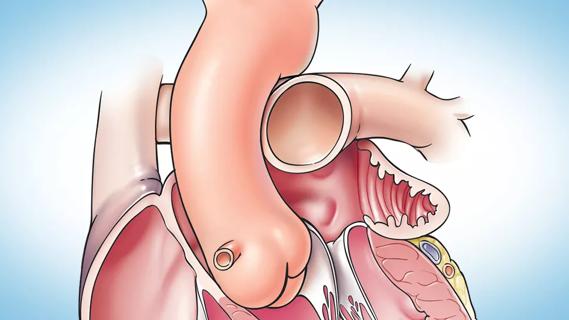
Concomitant AF ablation and LAA occlusion strongly endorsed during elective heart surgery
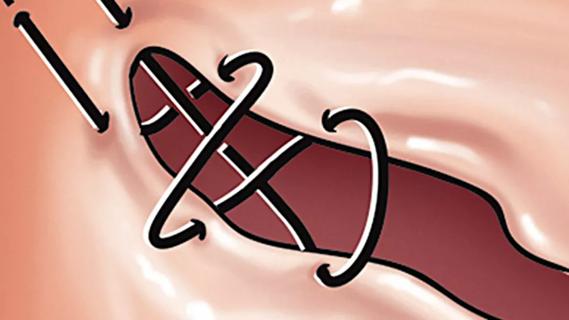
Large retrospective study supports its addition to BAV repair toolbox at expert centers
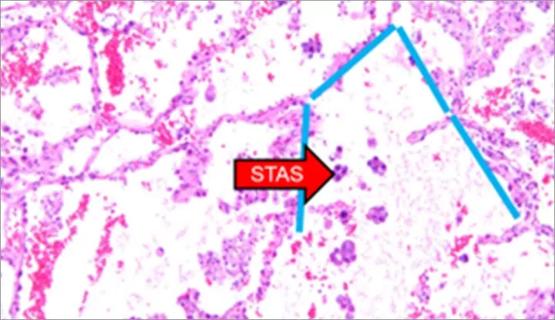
Young age, solid tumor, high uptake on PET and KRAS mutation signal risk, suggest need for lobectomy
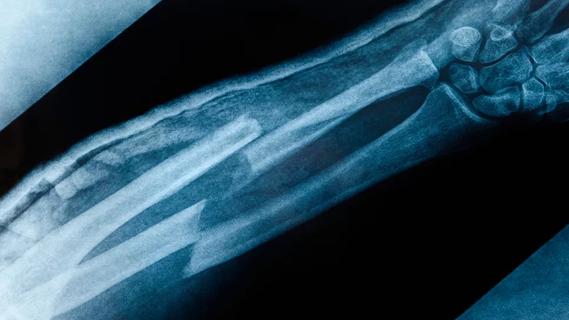
Surprise findings argue for caution about testosterone use in men at risk for fracture
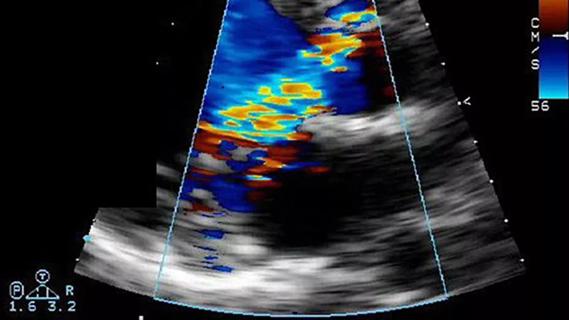
Residual AR related to severe preoperative AR increases risk of progression, need for reoperation

Findings support emphasis on markers of frailty related to, but not dependent on, age
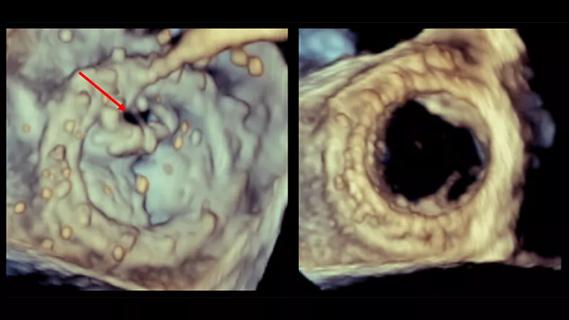
Provides option for patients previously deemed anatomically unsuitable
 Search