Locations:





Patient involvement makes a difference

Image content: This image is available to view online.
View image online (https://assets.clevelandclinic.org/transform/53a3b542-c453-4608-baa7-d58aa78b1f80/CQD_650x450-618335646_jpg)
New day, new possibilities
Advertisement
Cleveland Clinic is a non-profit academic medical center. Advertising on our site helps support our mission. We do not endorse non-Cleveland Clinic products or services. Policy
Caring for patients with chronic pain involves identifying the cause of their pain and outlining a treatment regimen to control it. Pain therapies — including medications, nerve blocks, injections and physical therapy — may be part of the regimen, but patients also play a part.
Quality sleep, a healthy diet and effective stress management are three lifestyle factors that can minimize pain. Patients can be proactive at improving these three, with guidance from their physician.
But that’s not all. There are three additional factors that also can help patients control pain — factors that often go overlooked.
Many patients use pain as a reason to avoid exercise. Physical activity can hurt and requires energy, which tends to be at a minimum in people with persistent pain. Inactivity can lead to muscle atrophy, deconditioning and fatigue, making movement even more challenging. It also promotes poor health, which can initiate, exacerbate or perpetuate pain.
Even conceptualizing “exercise” is difficult for patients in pain. To remove this barrier, I propose “movement” instead. Movement occurs regularly, throughout the day, whereas exercise occurs during a finite period, such as during 30 minutes of aerobics or in one hour at the gym. Consistent movement is as important as an exercise program, and it’s a feasible first step for those who think they’re unable to perform exercise.
I advise patients to set a timer every 20 minutes to cue some type of movement: standing up, stretching or taking a walk to the mailbox, for instance.
Advertisement
Movement improves circulation, reduces inflammation, preserves muscle and bone strength, and maintains motor control — all elements that help subdue pain and prepare patients for a future exercise regimen and improved function.
Patients’ perspectives on their well-being impact their coping ability. You can observe it in patients with similar pain complaints. The patient who is upbeat and involved in her care will have a better quality of life than the patient who is despondent.
Mindset can be modified, but sometimes patients need to be made aware of it.
While we cannot control patients’ emotions, we can educate them on their involvement in care and encourage their participation. Ask patients how they feel about their circumstances and ability to cope. Ask where they see areas they can improve. Then guide them in understanding that they have control, perhaps by saying, “You really can make this better. What are you willing to do?”
Measurement of weight, body fat, blood glucose and other health markers is most valuable when compared over time. Patients can regularly monitor many of these markers — in addition to their sleep, mood and energy level — to determine how lifestyle changes are affecting their wellness and pain.
For example, making lifestyle changes to reduce body fat may reduce pain. Percentage of body fat correlates with amount of inflammation, a primary contributor of pain.
Monitoring measurements like this reinforces the direct correlation between patient-controlled behavior, wellness and pain level. It also is helpful for revealing behaviors (such as a modified diet) and medical treatments (such as medication) that are not effectively reducing pain.
Advertisement
Your role: empowerment
As physicians, we provide information and services to help temper pain syndromes in our patients. However, we shouldn’t overlook the value of empowering patients to help themselves. With better movement, mindset and monitoring, patients can complement medical treatments to improve their outcomes.
Dr. Dews is Eastern Region Vice Chair of Pain Management at Cleveland Clinic, and Chair of Pain Management and Medical Director of the Pain Management Clinic at Cleveland Clinic Hillcrest Hospital.
References
Campbell CM, Edwards RR. Mind-body interactions in pain: the neurophysiology of anxious and catastrophic pain-related thoughts. Transl Res. 2009 Mar;153(3):97-101.
Franklin ZC, Fowler NE. Defensive high-anxious individuals demonstrate different responses to pain management to those with lower levels of defensiveness and anxiety. Pain Pract. Accepted manuscript online: April 18, 2017 (doi: 10.1111/papr.12595).
Geneen LJ, Moore R, Clarke C, et al. Physical activity and exercise for chronic pain in adults: an overview of Cochrane Reviews. Cochrane Database Syst Rev. 2017 Apr 24;4:CD011279.
Hussain SM, Urquhart DM, Wang Y, et al. Fat mass and fat distribution are associated with low back pain intensity and disability: results from a cohort study. Arthritis Res Ther. 2017 Feb 10;19(1):26.
Thijssen E, van Caam A, van der Kraan PM. Obesity and osteoarthritis, more than just wear and tear: pivotal roles for inflamed adipose tissue and dyslipidaemia in obesity-induced osteoarthritis. Rheumatology (Oxford). 2015;54(4):588-600.
Advertisement
Advertisement

Two-hour training helps patients expand skills that return a sense of control

Program enhances cooperation between traditional and non-pharmacologic care

National Institutes of Health grant supports Cleveland Clinic study of first mechanism-guided therapy for CRPS
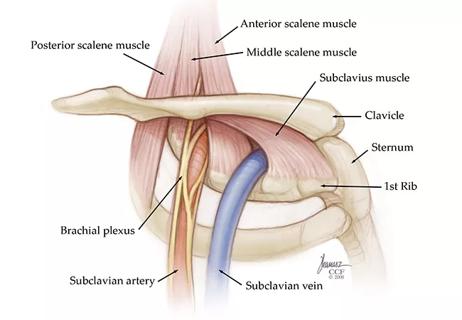
Pain specialists can play a role in identifying surgical candidates
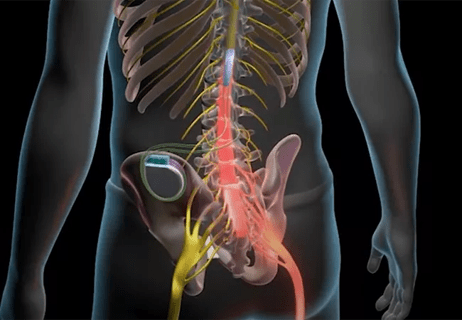
Individual needs should be matched to technological features
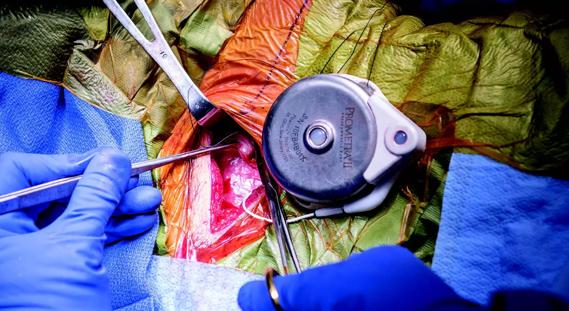
New technologies and tools offer hope for fuller understanding
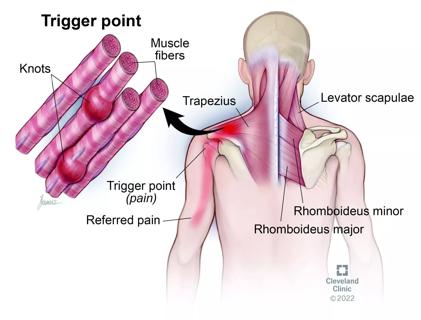
Pathophysiology, diagnosis, treatment and a COVID-19 connection

Clinical judgment is foundational to appropriately prescribing
 Search