Locations:





Cleveland will host event June 10–15
Image content: This image is available to view online.
View image online (https://assets.clevelandclinic.org/transform/d9b4c2c1-2959-4a0a-ad4f-d05824ef5687/transplant-games_650x450_jpg)
transplant-games_650x450
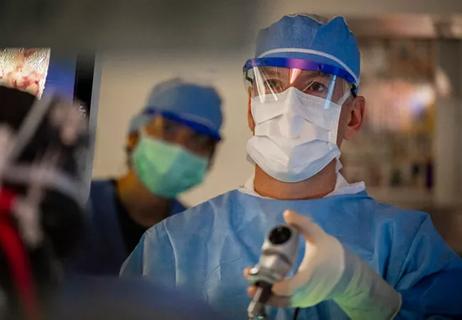
Kareem Abu-Elmagd, MD, PhD, Director of Cleveland Clinic’s Transplant Center, remembers his first Donate Life Transplant Games.
Advertisement
Cleveland Clinic is a non-profit academic medical center. Advertising on our site helps support our mission. We do not endorse non-Cleveland Clinic products or services. Policy
It was 2008, in Pittsburgh. Thomas Starzl, MD, PhD, the “father of transplantation,” was there. So were thousands of remarkable athletes — all of whom were transplant recipients or living donors. Many had received care from Dr. Abu-Elmagd, Dr. Starzl, John Fung, MD, PhD, and the transplant team at University of Pittsburgh Medical Center.
“It was an inspirational event, a testimony of how transplantation changes lives,” says Dr. Abu-Elmagd. “Many of the athletes had gone from dying of organ failure to enjoying a normal, healthy life — even competing in sports at an elite level.”
This June, the 14th biennial Donate Life Transplant Games will be in Cleveland. According to Dr. Abu-Elmagd, planners expect it to be the largest of all previous games, attracting an estimated 9,000 visitors to Northeast Ohio.
“We want every transplant patient across the nation to attend,” says Dr. Abu-Elmagd, who was instrumental in drawing the event to Cleveland, along with Dr. Fung, now Director of Cleveland Clinic Health System Transplantation Center, and Charles Modlin, MD, kidney transplant surgeon and Founder and Director of the Minority Men’s Health Center at Cleveland Clinic.
The Transplant Games showcases the importance of organ and tissue donation and its ability to save or improve the quality of recipients’ lives. In addition to celebrating life with recipient and donor families, the event draws attention from the general population and enables the transplantation community to educate a much larger audience about becoming donors.
Advertisement
June 10–15, 2016, transplant recipient and living donor athletes will compete for gold, silver and bronze medals (by gender and age group) in 18 sporting events, including:
The games also will feature Olympic-style opening and closing ceremonies, workshops and other special events.
“Over the last few years, the transplantation volume and innovations at Cleveland Clinic have increased dramatically,” says Dr. Abu-Elmagd. “In 2014 we completed more than 600 transplant procedures, including a second face transplant. This February, we performed the first uterine transplant in the U.S. — among the first in the world.”
Caregivers from Cleveland Clinic’s Transplant Center will be actively involved in the Transplant Games, including leading seminars and other educational opportunities for attendees. Cleveland Clinic physicians will host community events and web chats prior to the games to promote the event and organ donation.
Another factor that helped Cleveland win the 2016 bid for host city is Cleveland Clinic’s ongoing effort to offset racial disparities in organ transplantation.
“We’ve been working to enhance transplantation equity among races and promote organ donation in minority communities,” says Dr. Modlin, a champion of increased kidney transplantation for African-Americans. “The Transplant Games will draw even more attention to this issue, allowing us to educate and encourage more minorities to become donors.”
“I wouldn’t miss this opportunity to celebrate with patients and families,” says Dr. Abu-Elmagd, who also will be attending the 2016 American Transplant Congress running concurrently in Boston.
Advertisement
The games are a vivid example of how transplantation transforms lives, he adds.
“All transplant professionals should attend the Transplant Games at least once to witness the enormous impact their work makes,” says Dr. Fung. “Seeing literally thousands of living examples of the power of transplantation — all in one place — can’t help but inspire more hard work, more innovation and more research to make transplantation possible for more patients.”
Please encourage your transplant patients to consider attending the 2016 Transplant Games in Cleveland. Registration is now open. For more information, visit transplantgamesofamerica.org.
Advertisement
Advertisement

Strong patient communication can help clinicians choose the best treatment option
ctDNA should be incorporated into care to help stratify risk pre-operatively and for post-operative surveillance

The importance of raising awareness and taking steps to mitigate these occurrences
New research indicates feasibility and helps identify which patients could benefit

Treating a patient after a complicated hernia repair led to surgical complications and chronic pain
Standardized and collaborative care improves liver transplantations
Fewer incisions and more control for surgeons

Caregiver collaboration and patient education remain critical
 Search